
You’re hauling armfuls of firewood when you realize your axe just isn’t cutting it anymore. Gas log splitters promise to end that grind, but not all deliver the torque, speed, or durability you actually need. Before you drop serious money on a machine, you’ll want to know which models truly handle the heavy rounds without breaking down—or your back.
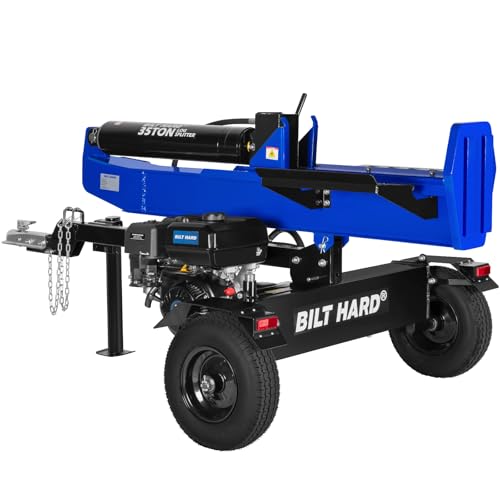
BILT HARD 35 Ton Gas Log Splitter with Log Lift

Powerful 35-Ton Splitting Force: Equipped with a high-performance 10 HP, 306cc engine, the BILT HARD 35 Ton Gas Log Splitter delivers exceptional splitting power, making it...
Who needs a backbreaking chore when you’ve got real firewood demands? You’ll tackle mountains of firewood with the BILT HARD 35 Ton Gas Log Splitter. Its 306cc, 10 HP engine delivers 13.6 ft-lb torque, while the 18 GPM Bucher 2-stage pump powers through cycles in 15 seconds.
You’ll split logs up to 24 inches long and 20 inches across using interchangeable 4-way and 6-way wedges with 12 size options. The 700 lb hydraulic log lift saves your back completely. You’ll transport it easily with 16 DOT-approved tires and a 2-inch ball hitch—towable at 45 mph. Check Amazon for warranty details and assembly guidance.
- Power Source::306cc gas engine (10 HP)
- Splitting Capacity::35 tons
- Max Log Length::24 inches
- Cycle Time::15 seconds
- Portability::Towable (45 mph max)
- Weight::1,035 pounds
- Additional Feature::700 lb log lift
- Additional Feature::6-way wedge included
- Additional Feature::DOT-approved 16" tires
Recommended Products
Powerful 35-Ton Splitting Capablity- Powered by a robust 10 HP 301 cc single-cylinder OHV engine, this hydraulic log splitter generates an impressive 35 tons of splitting force. It processes hardwood logs rapidly and with minimal effort, ensuring quick completion of demanding splitting tasks.

30-Ton Capacity of Splitting - Powered by a robust 7.5 HP 223 cc single-cylinder OHV engine, this hydraulic log splitter generates an impressive 30 tons of splitting force to process hardwood logs rapidly and with minimal effort, ensuring quick completion of demanding splitting tasks.

SPECS - Built with a heavy-duty 7HP gas engine, powering our 20-ton rated system, utilizes the highly ultra reliable and trusted 2-Stage Bucher Hydraulic Gear Pump. With Rapid Auto Return that easily splits logs up to 20" inches in length and up to 16" inches in diameter; All weighing 130lbs
Champion 40-Ton PRO Gas Log Splitter

40 tons of splitting capacity with a large 338cc Champion single-cylinder OHV engine Converts from horizontal to vertical in seconds, allowing you to handle large, heavy logs...
Need raw splitting power without compromise? You’ll find it in the Champion 40-Ton PRO. This machine tears through logs up to 24 inches and 100 pounds using a 338cc OHV engine and intelligent 2-stage pump that adjusts pressure automatically. You control the action from an expanded operator area, switching between horizontal and vertical positions in seconds. The 11.3-second cycle with auto-return keeps you moving through over 300 cycles hourly.
You stay protected with cast-iron engine sleeves, steel guards, and low-oil shutoff. Log catchers save your back while dual swivel wheels and a 70-mph tow-ready hitch let you haul this 767-pound beast anywhere. Champion backs you with two years of coverage and lifetime expert support.
- Power Source::338cc gas engine
- Splitting Capacity::40 tons
- Max Log Length::24 inches
- Cycle Time::11.3 seconds
- Portability::Towable (70 mph max)
- Weight::767 pounds
- Additional Feature::Horizontal/vertical conversion
- Additional Feature::70 mph tow speed
- Additional Feature::Auto-return valve
Recommended Products
40 tons of splitting capacity with a large 338cc Champion single-cylinder OHV engine
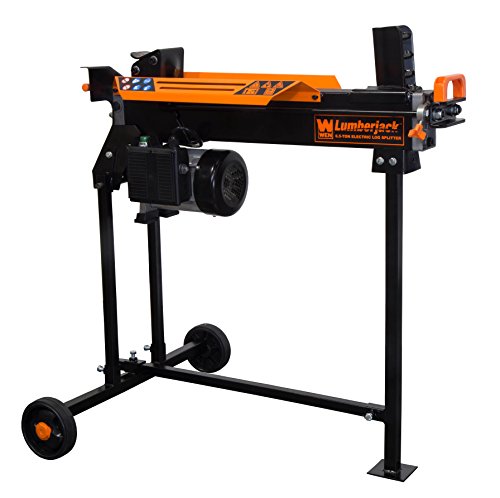
Powerful 15A motor provides over 13,000 pounds of log cracking pressure

SPECS - Built with a heavy-duty 7HP gas engine, powering our 20-ton rated system, utilizes the highly ultra reliable and trusted 2-Stage Bucher Hydraulic Gear Pump. With Rapid Auto Return that easily splits logs up to 20" inches in length and up to 16" inches in diameter; All weighing 130lbs
Log Splitter Hydraulic Cylinder 4×24 Inch

WE ARE THE MANUFACTURER - NOT A RESELLER Universal Fit: 4"x 24" aftermarket replacement hydraulic cylinder for various log splitters like Champion, YARDMAX, CountryLine,...
A 4×24-inch hydraulic cylinder is your workhorse when you’re rebuilding or upgrading a tired log splitter. The Magister Hydraulics WLS 4×24 delivers 36,000 pounds of column load capacity at 3,500 PSI, giving you the force you need to split stubborn rounds.
You’ll appreciate the universal compatibility—this cylinder drops right into Champion, YARDMAX, CountryLine, Huskee, SuperHandy, and BOSS splitters, plus most standard units. The 4-inch bore with 24-inch stroke extends to 58.5 inches total, while carbon steel construction and durable seals withstand years of abuse. At 67 pounds of European-engineered, US-standard quality, you’re investing in a component that outlasts OEM parts without breaking your budget.
- Power Source::Hydraulic (component)
- Splitting Capacity::36,000 lbs load rating
- Max Log Length::24 inches (stroke)
- Cycle Time::N/A (component)
- Portability::N/A (component)
- Weight::67 pounds
- Additional Feature::3500 PSI pressure
- Additional Feature::European steel construction
- Additional Feature::Universal fit design
Recommended Products

Bore: 4" (OD 4.5"), Stroke: 24 inches, Rod: 1.75", Retracted: 34.5", Extended: 58.5", Pin holes: 1-1/8", 9/16"

One new aftermarket replacement hydraulic cylinder

Seal Size: Bore (I.D.) 4.5" x rod (O.D) 1.75". Please check that the inside diameter(I.D.) and outside diameter(O.D.) are the same size as your hydraulic cylinder before purchase.
25GPM Hydraulic Log Splitter Valve A7 Compatible
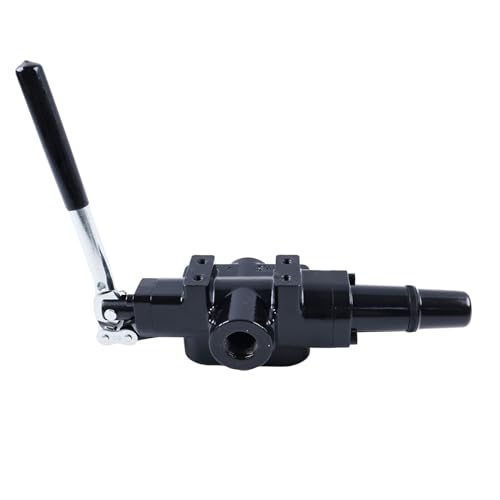
Part Number: A7 S390406A S390406SC Application Models: Compatible with Most Log Splitters Ariens Champion Countyline Cub Cadet Energy SpeeCo Huskee and More Universal...
Struggling with a worn-out hydraulic valve? Replace it with the ZTUOAUMA 25GPM Hydraulic Log Splitter Valve A7. This single-spool, open-center valve handles 3500 PSI maximum pressure with a 3100 PSI adjustable relief valve. You’ll get 3/4 NPT inlet/outlet ports and 1/2 NPT working ports—standard specs that fit SpeeCo, Huskee, MTD, Ariens, Cub Cadet, Champion, Countyline, and Energy log splitters.
The adjustable detent comes preset at 700 PSI; you tweak it via the screw end cap. Cast iron construction ensures durability. Check your splitter’s specifications before ordering—dimensions run 10 x 5 x 5 inches with 5/16-18 mounting threads. Installation proves straightforward when you verify compatibility.
- Power Source::Hydraulic (component)
- Splitting Capacity::3,500 PSI max pressure
- Max Log Length::N/A (component)
- Cycle Time::N/A (component)
- Portability::N/A (component)
- Weight::N/A (component)
- Additional Feature::Adjustable detent pressure
- Additional Feature::Cast iron build
- Additional Feature::Reversed inlet/outlet
Recommended Products
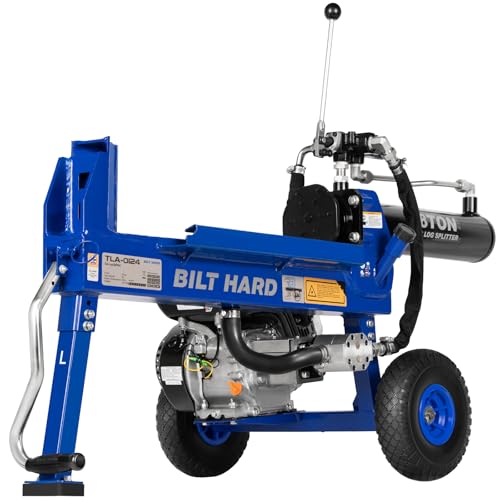
Powerful 18-Ton Splitting Force: This robust gas log splitter delivers a massive 18 tons of splitting power, driven by a reliable 7HP 209cc OHV engine producing 9.6 ft.-lb. of torque. Designed to split even the toughest wood quickly and efficiently.

Powerful: 37 tons of splitting capacity with a large 338cc Champion single-cylinder OHV engine

Dependable: The 79cc engine powers a 20-second cycle time and dependable auto-return valve, making this log splitter capable of 180 cycles per hour
WEN Electric Log Splitter 6.5-Ton Capacity with Portable Stand (56208)
Powerful 15A motor provides over 13,000 pounds of log cracking pressure Use the log splitter with or without the 34-inch stand depending on user preferences Included pull...
Looking for quiet, fume-free splitting? You plug the WEN 56208 into any standard outlet and skip the gas, fumes, and cold-start hassles entirely. Its 15-amp motor delivers 6.5 tons of force, splitting logs up to 10 inches in diameter and 20.5 inches long. You operate it with two hands for safety, and the 20-second cycle keeps you moving. You choose your working height: use the 34-inch stand or go low-profile with 5.5-inch never-flat wheels. At 118.7 pounds, you pull it where you need it using the onboard handle. You get a two-year warranty, nationwide service support, and a direct customer helpline.
- Power Source::15-amp electric motor (2.5 HP)
- Splitting Capacity::6.5 tons
- Max Log Length::20.5 inches
- Cycle Time::20 seconds
- Portability::Wheels with portable stand option
- Weight::118.7 pounds
- Additional Feature::Fume-free operation
- Additional Feature::Two-handed safety design
- Additional Feature::Never-flat wheels
Recommended Products

Powerful, 6.5 Ton RAM Force to get the job done fast

Reliable 212cc FULL BOAR OHV engine delivers 28-ton force and cycles in just 10.9 seconds for a fast and easy splitting
Factors to Consider When Choosing a Gas Log Splitter in 2026: Top Picks Compared
When you’re shopping for a gas log splitter in 2026, you’ll need to weigh splitting force capacity, engine power output, and hydraulic cycle time against your typical workload. You should also check log size limits and decide whether you’ll benefit more from horizontal, vertical, or dual-configuration designs. Let’s compare how today’s top models stack up across these critical specs.
Recommended Products

Powerful 40-Ton Splitting Force - Driven by a massive 389cc, 13 HP single-cylinder OHV engine producing 16.96 ft.-lb. of torque, this hydraulic splitter delivers a crushing 40 tons of force. Effortlessly power through the toughest hardwoods and tackle demanding jobs with speed and ease.

BOX-shape Beam: Experience unparalleled strength and durability with our BOX beam Design Log Splitter. Engineered to outperform traditional I beam designs, our splitter ensures superior stability and power, providing you with the confidence to tackle even the toughest logs. Elevate your wood splitting game with the unmatched strength of our BOX beam design.

POWERFUL MOTOR - Powerful 15Amps motor provides 6.5-Ton of log cracking pressure, speed up to 3,400RPM. Split logs up to 9.8" diameter and 20.5" length, and the efficient hydraulic ram log splitter could quickly reset to cut another log that allows your cutting effortlessly and saves your time. In addition, durable steel construction ensures long-lasting stable performance.
Splitting Force Capacity
How much force do you actually need to split your woodpile without breaking a sweat? Splitting force capacity is measured in tons, and you’ll find residential models ranging from 6.5 to 40 tons. Higher tonnage lets you tackle larger diameters and harder wood species with less effort. If you’re mostly splitting softwoods under 12 inches, 6.5 tons handles your needs. But when you’re facing 20-inch diameter oak or maple, you’ll want 25 tons or more. Some units specify practical limits clearly—like 24-inch logs at 20 inches diameter—so match these specs to your typical wood size. Consider how often dense hardwoods enter your workload. You don’t want to stall mid-split because you underestimated the force required. Choose tonnage that covers your toughest logs, not just your average ones.
Engine Power Output
Your splitter’s engine is what turns raw fuel into the hydraulic muscle that cracks stubborn logs. You’ll measure that power in horsepower and displacement, with mid-size 2020s gasoline models typically packing engines between 306cc and 338cc. Higher values generally deliver faster, more forceful splits.
You should also scrutinize RPM at peak torque, since higher revolutions correlate with quicker splitting under heavy loads. Rated torque matters too—10 lb-ft at 3,000 RPM, for instance, helps you power through resistant, large-diameter wood without bogging down.
When you’re evaluating towable units, remember manufacturers balance engine output against hydraulic flow and pump design to hit practical performance targets. This interplay determines how swiftly you’ll process cordwood, so don’t fixate solely on raw horsepower—consider how the complete powertrain converts engine output into real-world splitting capability.
Hydraulic Cycle Time
Zeroing in on cycle time separates a productive afternoon from one spent waiting on the ram. You’ll want to compare how quickly each model completes a full push-and-retract cycle under typical wood load—this apples-to-apples assessment reveals true performance differences.
Top 2026 models range from 9–11.3 seconds for high-speed units to 15–20 seconds for standard splitters. That gap adds up fast when you’re processing multiple cords. Look for 2-stage pump systems, which deliver rapid initial ram movement before switching to high-pressure splitting. This design shortens your effective cycle time without sacrificing force.
Log Size Limits
Why does log size capacity matter so much? It directly determines both maximum diameter and length your splitter can handle, influencing how many logs you’ll process per cut and your overall efficiency.
Most gas log splitters specify limits around 20 inches in diameter and 24 inches in length. These specifications shape your setup and batching strategy for typical firewood production. Some units trade one dimension for another—allowing longer pieces while restricting diameter, or vice versa—which impacts your versatility when handling mixed wood types.
Your wedge design and stroke length must align with these limits to ensure complete splits without overloading the ram. When evaluating models, you’ll notice that usable height and reach affect how you manage taller logs during the splitting process, even before considering orientation adjustments.
Horizontal/Vertical Configurations
How do you prefer to wrestle with firewood—bending down to roll logs onto a horizontal beam, or standing upright while gravity does the heavy lifting? Horizontal log splitters position logs side-by-side, demanding you bend and maneuver each piece. Vertical configurations lift logs upright, letting gravity assist the split and easing handling of longer, heavier rounds.
You’ll find convertible models invaluable—they switch orientations in seconds, adapting to log size and your workspace limits. Vertical setups also simplify stacking and extraction, cutting down on bending and reaching. Watch for cycle time trade-offs; some units achieve rapid 9–11 second cycles in one orientation but slow when converting. Both configurations typically handle 24-inch lengths and 20–24 inch diameters, though wedge size and ram stroke ultimately determine what you’ll actually split.
Towing and Mobility
Once you’ve settled on the right splitting orientation, you’ll need to figure out how that beast gets from your garage to the woodpile. Towable models use 2-inch ball hitch couplers with safety chains and DOT-approved wheels for highway-rated towing. Check speed limits—some units top out at 45 mph while others handle 70 mph.
You’re hauling serious weight here, typically 767–1035 pounds across 7–11 feet. That bulk demands trailer planning and storage space. Dual-wheel designs and adjustable legs stabilize movement and setup at your site. Watch those hose and pump configurations too; two-stage pumps with high flow help you reposition mobile units while connected. Every mobility feature determines whether you’re wrestling equipment or rolling smoothly from job to job.