
You’re standing beneath a canopy that’s grown wild, and that dead limb overhead isn’t going to remove itself. Before you extend that pole and squeeze the trigger, understand this: most pole saw injuries happen when operators skip the setup and rush the cut. The difference between a clean drop and a snapped branch in your face comes down to technique you’ll master in the next few minutes.
What a Pole Saw Does (and When You Actually Need One)
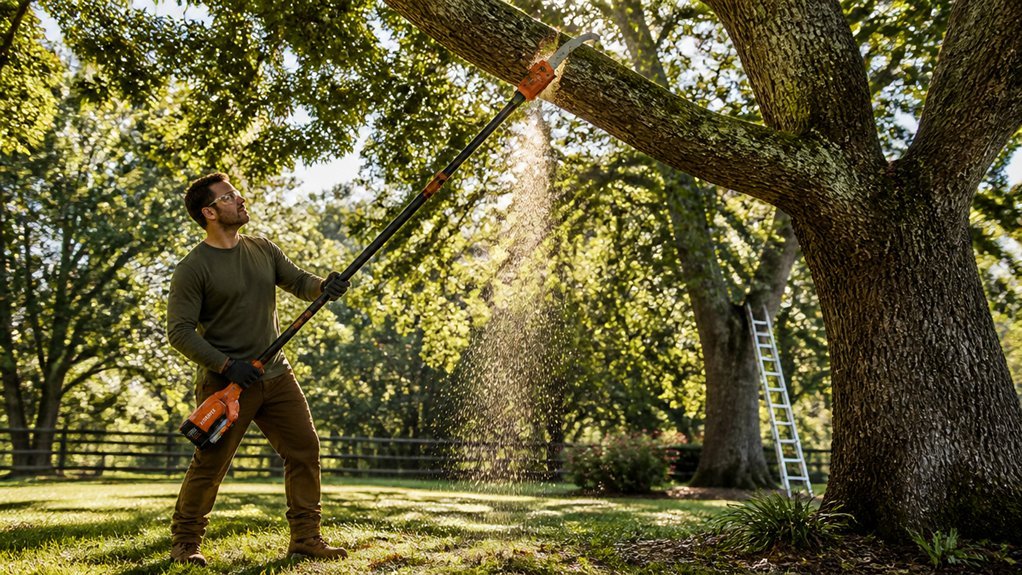
Why struggle with dangerous ladders when you can cut overhead branches from solid ground? A pole saw gives you that capability. It’s an extendable tool—typically 8 to 15 feet—with a blade or compact chainsaw mounted at the tip. You’ll operate it from ground level, eliminating ladder-related fall risks and improving your safety posture substantially.
You need a pole saw when branches sit beyond arm’s reach but remain under roughly 8 inches thick—dead limbs, storm-damaged wood, or overgrown canopy that threatens structures. Blade lengths usually span 8 to 12 inches; anything thicker demands professional equipment.
Consider your power source carefully. Electric models require an extension cord, restricting mobility and introducing trip hazards you must manage. Match the tool to tree height, limb diameter, and usage frequency before committing to any configuration.
Recommended Products
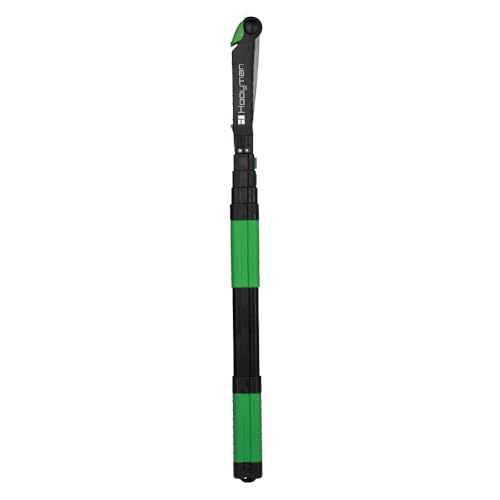
DIMENSIONS: Extends to 10 feet and collapses to 28 inches, and weighs 4 lbs

10FT POLE TREE PRUNER WITH SAW FUNCTION: Designed primarily for high branch trimming with pull-rope pruning shears, while the integrated saw provides an additional cutting option when needed. This manual tree pruner combines pruning and sawing functions in one long-reach tool for routine tree care in yards, gardens, and orchards.
Choose the Right Type: Manual, Corded, or Battery?
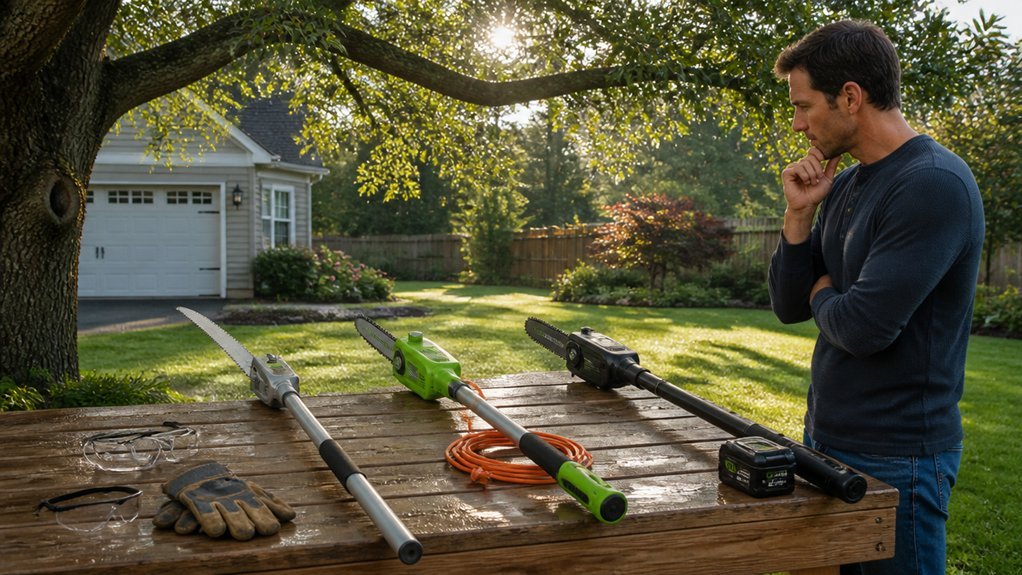
How exactly do you match a pole saw to the job at hand? You choose the right type by evaluating tree height, branch thickness, and how often you’ll cut.
Manual pole saws keep you light and quiet—ideal for thin branches and occasional trimming.
Electric corded or battery-powered models reduce fatigue and maintenance, delivering balanced power for regular home use.
Battery-powered units now feature quick-charging packs and extended runtime on advanced designs, freeing you from cords without sacrificing performance.
Gas-powered pole saws dominate heavy-duty demands, offering fixed or telescoping shafts reaching ~20 feet, though you’ll manage added weight, noise, and cost.
For beginners, electric corded or battery-powered pole saws provide safer control with less upkeep than gas alternatives.
Match your selection to task demands: manual for light duty, electric for consistent residential work, gas-powered for intensive, frequent pruning.
Recommended Products
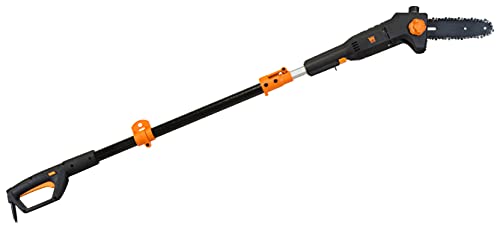
Telescoping pole adjusts anywhere from 5.3 feet to 7.3 feet for up to 12 feet of overhead reach

2-in-1 Flexibility – Handheld or Pole Saw in Seconds: Cut low or reach high—SEESII’s 2-in-1 cordless chainsaw transforms instantly from a handheld saw into a pole saw. Tackle ground-level trimming or overhead branches without switching tools. One powerful solution that saves space, time, and effort

2-in-1 Pole Saw & Cordless Mini Chainsaw– One Tool for Every Cutting Job: Easily switch between a handheld mini chainsaw and a battery powered pole saw. Compatible with 6-inch and 8-inch guide bars, this cordless electric chainsaw is perfect for tree pruning, branch trimming, firewood cutting, and garden maintenance—saving space and cost by replacing multiple tools
Pole Saw Safety Gear You Can’t Skip
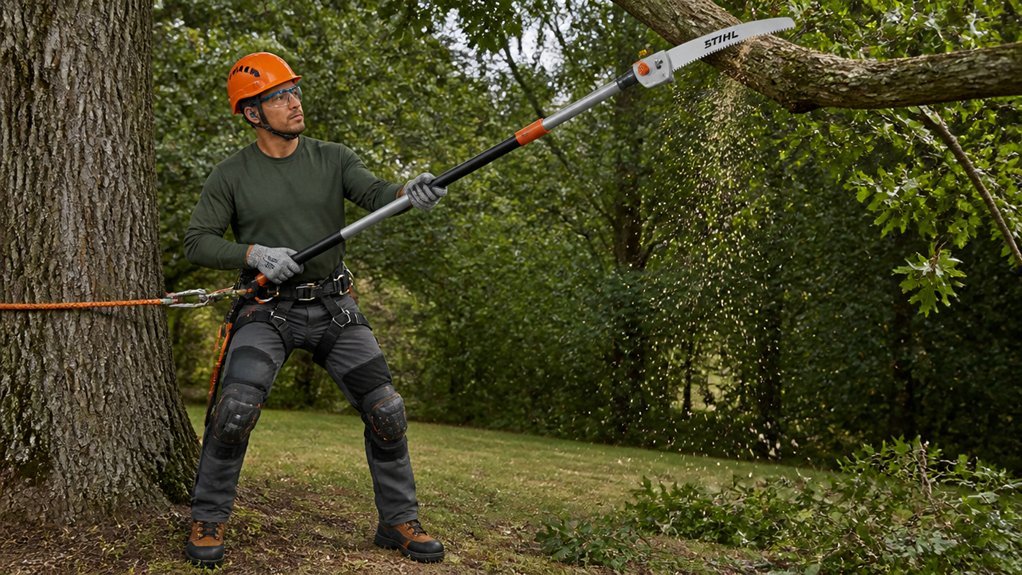
What gear stands between you and serious injury when you’re cutting overhead? Proper safety gear forms your primary defense against falling debris, noise damage, and mechanical hazards.
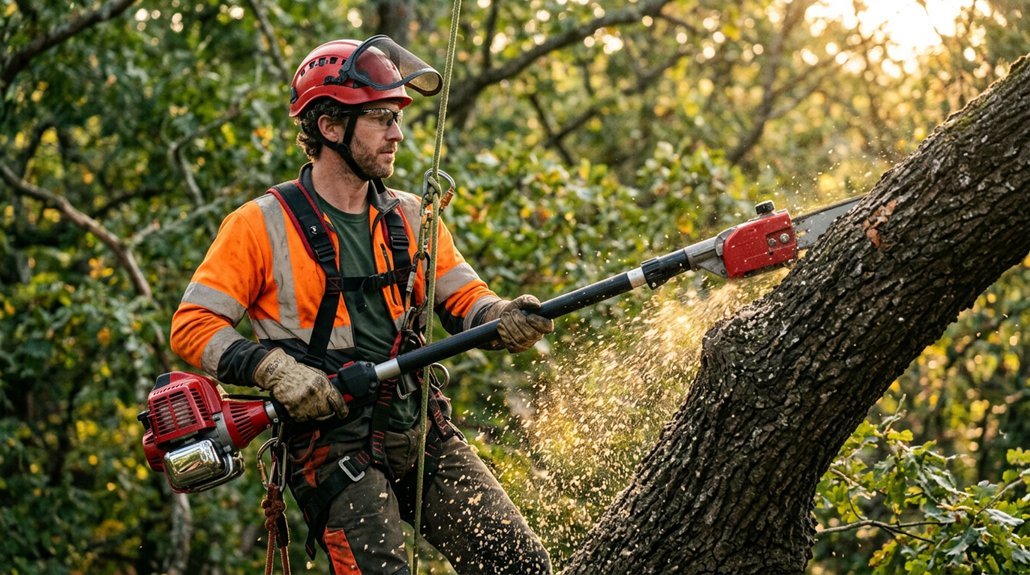
You must don a hard hat to shield against overhead impacts from deadwood or severed branches. Secure eye protection—safety glasses or goggles—blocks sawdust, chips, and bark fragments from striking your eyes. Wear hearing protection; prolonged exposure to engine or motor noise causes permanent auditory damage. Grip-resistant gloves maintain control while reducing vibration transfer to your hands. Choose sturdy boots with aggressive tread patterns to prevent slips on uneven terrain and protect against accidental contact with the chain. Don full-length pants to shield your legs. Verify all safety gear fits properly before engaging the saw. You’ll cut with confidence when you’ve armored yourself correctly.
Recommended Products

BARE TOOL ONLY – BATTERY AND CHARGER NOT INCLUDED

Compatible With Dewalt 20V MAX* Batteries: 10-inch cordless pole saw is compatible with Dewalt 20V MAX batteries such as DCB200, DCB201, DCB203, DCB204, DCB205, DCB206, DCB230, DCB240, DCB260,DCB246, DCB248, DCB606 and other models. Plug and play, works seamlessly with Dewalt 20V batteries, saving money without sacrificing quality.

Hard chrome plated with impulse hardened teeth
Spot Hazards in Your Work Area Before You Start
Where exactly will that branch land once you’ve severed it?
Survey your work area before cutting. Identify power lines overhead and maintain minimum approach distances per OSHA guidelines. Scan for obstacles such as structures, vehicles, and secondary branches that could redirect falling wood. Check visibility conditions—ensure adequate lighting to clearly see your target branch and surrounding hazards throughout the cut. Remove ground-level hazards including loose tools, cords, and debris that create trip risks. Establish a clear perimeter and relocate children and pets beyond the drop zone. Examine nearby branches for unpredictable swing paths that could alter your cutting trajectory. You’ve now eliminated variables that compromise operator safety and cutting precision.
Stand ready to grip the pole saw correctly.
Recommended Products

【Widely Application】 - 5 to 20 foot 2 in 1 manual pole pruner, practical and multifunctional. Buyplus 19inch pole saw head replacement can be used as a telescopic pole saw for pruning high limbs or branches or as a hand-held saw for pruning and grooming lower branches, brush, and logs.

Safe And Efficient - The Karveden telescoping extension pole saws can reach up to 20FT. You can easily trim tall, difficult to reach branches. You can quickly adjust the length of the pole as needed without climbing a ladder. Pruning trees and shrubs will be easier and safer than ever before. It is designed for pruning high branches, but can also be used as a handheld saw to prune low branches, shrubs and logs.

Grip and Stance for Full Control
Why risk losing control when a proper setup eliminates it?
Maintain a shoulder-width stance on stable, level ground. Grip the front handle with your left hand and the rear with your right, thumbs wrapped firmly. For pole saws, angle the pole to keep your body left of the chain line. Never position yourself directly beneath or in line with the branch; stand slightly to the side. Extend your left arm straight and lock your stance to absorb vibration. This controlled grip and stance prevent kickback injury by keeping you clear of the cutting path. Avoid left-handed grip configurations that place your body in the chain line. Your deliberate positioning ensures full control throughout the cut.
Recommended Products

【Forestry Helmet System with Accessories】:GREEN DEVIL 3 in 1 safety helmet comes with ABS helmet, adjustable/removable earmuffs, and mesh visor, providing dynamic protection for any job.Equipped with a pair of 25 dB NRR earmuffs that help block out tool and engine sound noise for hearing protection.Easy flip-up metal mesh provides good visibility and debris protection.The accessories is easy to assemble,come with detailed installation instructions.

DURABLE PROTECTION: Made from high density polyethylene, this full brim hard hat provides impact resistance and protection from falling objects

【All-in-One Protection】: Integrates a helmet, steel mesh visor, and adjustable headgear for complete head, face, and eye defense against flying debris.
Is Your Branch Too Thick? Check Before You Cut
How easily can your pole saw handle what’s overhead? Before committing to any cut, you’ll assess branch thickness against your tool’s capacity. Most consumer pole saws manage limbs 6–8 inches thick at heights of 10–15 feet; exceed these limits and you’re inviting kickback or blade binding. For safety, select a blade two inches longer than the branch diameter—this prevents pinching and maintains cutting efficiency.
When you’re planning your approach, inspect for knots and dense heartwood; these create resistance requiring angle adjustments. Thicker branches demand strategic thinking: consider professional assistance or alternative thinning methods rather than forcing a single deep cut. You’ll map your cutting sequence in advance, accounting for how weighted limbs shift during severance. Proper planning transforms risky cuts into controlled operations, ensuring your pole saw performs within safe mechanical limits.
Recommended Products

2-in-1 Flexibility – Handheld or Pole Saw in Seconds: Switch freely between a compact mini chainsaw and an extended cordless pole saw. Trim low branches or reach high limbs effortlessly—one 2-in-1 cordless 6-inch pole saw for every trimming job. Perfect for garden cleanup and professional tree trimmer use
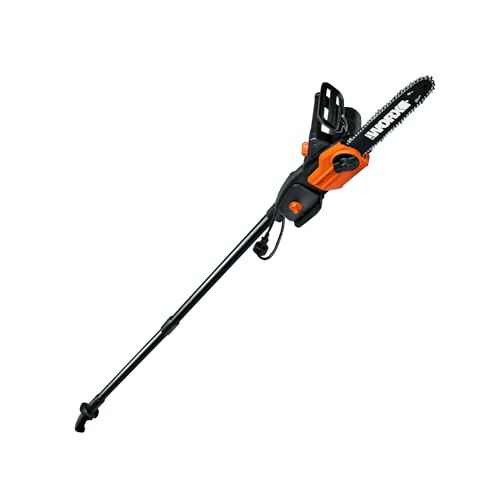
Fast Cutting Performance: The pole saw delivers 28 ft/s chain speed for efficient and fast cutting through branches
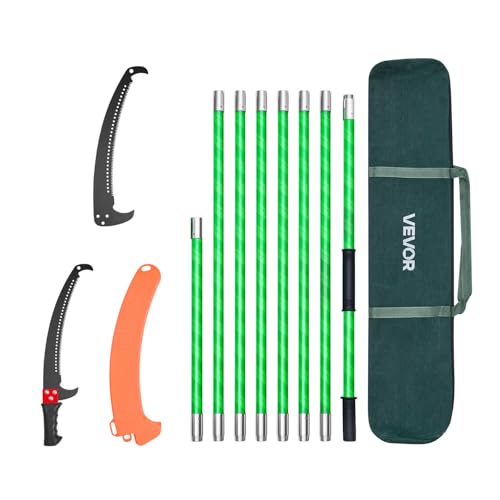
Easily Trim High Branches: Equipped with 8 adjustable sections, this manual pole saw extends up to 27ft, allowing ladder-free trimming of high branches. It is ideal for pruning dead or low-hanging branches, maintaining your yard or garden. Note: The shortest rod to connect saw blade
Make Your First Cut: The Undercut Method
When exactly should your blade bite into the branch? You’ll initiate the undercut a few inches from the trunk, positioning your blade on the branch’s underside. Cut upward to one-third of the branch’s diameter—this creates a notch that prevents bark tearing and directs a clean break.
Execute this two-step cut with deliberate control. Maintain your safety stance to the side, never directly beneath. Keep your body clear of the chain line throughout; this positioning reduces kickback exposure during the upward stroke. Apply steady, light pressure—don’t force the saw. Let gravity assist the cut.
Your undercut establishes the foundation. Once complete, you’ll transition to the top-side cut slightly farther out. This sequence minimizes binding and ensures predictable branch separation without compromising your position.
Recommended Products
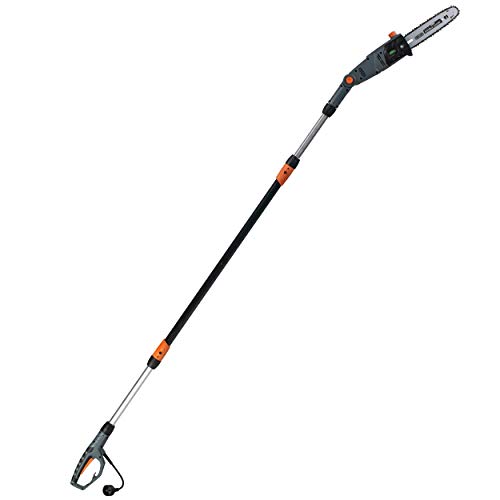
Scotts pole pruner with a powerful 8-Amp electric motor for cutting tree branches and limbs around your yard; Fully extended pole is 9'5" long
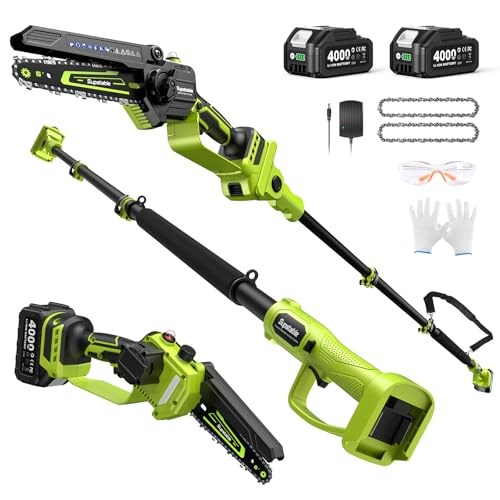
2-in-1 Cordless Chainsaw & Pole Saw – One Tool, More Versatility: The 6-inch guide bar works as a handheld mini chainsaw or mounts easily onto the telescopic pole as a cordless pole saw. One lightweight electric chainsaw handles tree pruning, branch trimming, firewood cutting, and everyday garden maintenance—no need to switch between multiple tools

【2-IN-1 Versatile Design】 AUTUBIN’s electric pole saw combines a 6-inch mini chainsaw with an extendable pole, enabling seamless switching between handheld and pole-operated modes—no additional tools required. The handheld setting is ideal for ground-level tasks such as firewood cutting, while the pole mode excels at overhead trimming, making it a go-to tool for backyards, orchards, and farms.
Handle Kickback and Binding When They Happen
Where exactly does the danger hide in your cut? Kickback lurks when the bar tip contacts wood, launching the saw backward toward you, and when wood pinches the chain causing linear kickback. You’ll avoid both by never touching the kickback zone to objects during operation.
Maintain your safety grip with thumbs wrapped, elbows locked, and a stance that positions your body outside the chain line. This posture absorbs forces and keeps you clear of the cutting path.
Binding demands immediate brake/trigger control—release the trigger and allow the chain to stop completely before acting. Stay safe by never yanking the saw free while powered. Instead, depower the unit, don thick gloves, and wedge the cut open to relieve pressure. Precision in these moments prevents injury.
Recommended Products

2-in-1 Cordless Pole Saw & Battery Powered Mini Chainsaw Combo: This 2-in-1 cordless pole saw combines a handheld mini chainsaw and an extendable pole saw in one compact combo tool. Designed for residential yard work such as tree trimming, branch pruning, limb cutting, and light wood cutting, it’s a practical electric saw solution for everyday outdoor use
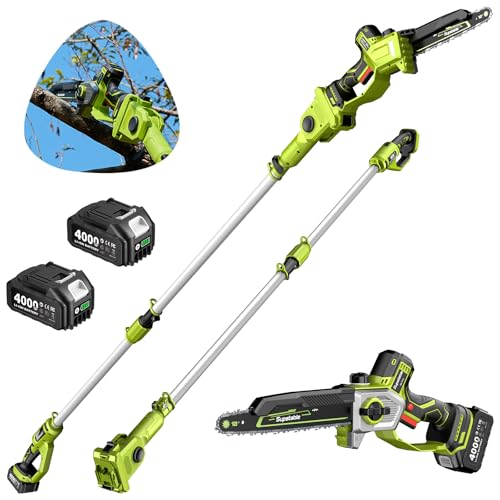
10-Inch Guide Bar – Built for Thick Branches: The Supstable 10-inch cordless chainsaw is built to tackle thick branches with confidence, whether used as a handheld chainsaw or attached as a pole saw for high branches. Compared to 6-inch or 8-inch chainsaws, the 10-inch guide bar provides greater cutting depth and stability, making it easier to cut thick branches and dense wood up to 10 inches in fewer passes. Switch from ground-level trimming to overhead pruning effortlessly—ideal for orchard care, tall trees, and everyday yard maintenance, without the need for ladders
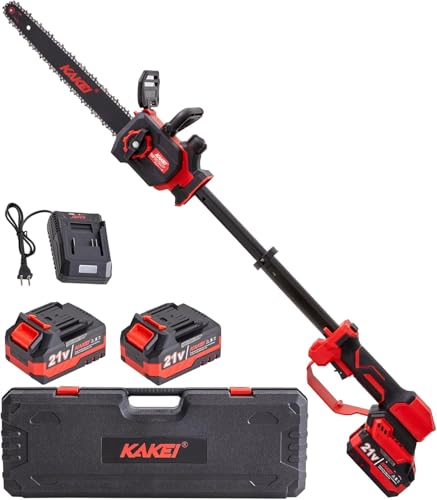
【Built for Home Tree Care and Yard Cleanup】Includes the telescopic chainsaw, two 21V batteries, charger, and carrying case for convenient transport and organization. The tool-free chain tension system makes adjustment simple. For best performance, fill the oil tank with bar and chain oil before first use, check oil regularly, and keep the chain clean and correctly tensioned. Take care of overgrown branches, fence-line trees, garden trimming, and seasonal pruning with one compact cordless pole chainsaw.
Clean, Oil, and Store Your Pole Saw
Why risk corrosion and degraded performance when a few minutes of maintenance suffices? Clean your pole saw immediately after use. Remove debris from the blade and shaft to prevent buildup that compromises cutting performance and balance. You’re protecting operational integrity with every wipe.
Check chain tension and adjust accordingly. Apply bar and chain oil where your model requires lubrication. Inspect the chain, bar, and fittings for cracks or looseness before you store the tool.
Store your pole saw in a dry, secure location with the blade covered or the chain brake engaged. Secure fuel separately; recharge or remove batteries. You’ve eliminated corrosion risks, guaranteed proper function, and locked in safety for next operation.
Recommended Products

LONG POLE SAW WITH UP TO 12-FOOT REACH: Husqvarna 122LKP Gas Powered Pole Saw trims high branches with ease

Ultra-Adjustable Range for Versatile Use: Our manual pole saw equipped with a 5-20FT telescoping aluminum pole, allowing the pole saw to easily reach high places. As tree pruner extendable,it is perfect for trimming high branches, low shrubs, and tree trunks alike.
Mistakes That Ruin Your First Cut (and Your Weekend)
Precision demands respect for fundamentals, and complacency transforms minor overshoots into dangerous failures. You compromise safety when you don’t bring your pole saw’s chain to full speed before the first cut—you’ll trigger kickback or pinching instead of clean entry. You must execute an undercut on the limb’s underside first; skip this and you’ll tear bark, invite splitting, and waste your weekend on damage control. You can’t maintain proper control with insufficient blade length—select a blade exceeding branch diameter by two inches minimum. You endanger yourself by overreaching or standing beneath falling wood. Finally, you create cascading hazards when you neglect area clearance between cuts; trip risks and poor positioning compound with every ignored obstacle.
Recommended Products

【COMPLETE FOREST EQUIPMENT】6-in-1 Forestry Helmet Kit includes ABS hard hat, adjustable/removable earmuffs 31 dB SNR , mesh visor, anti-fogging eyewear, cooled helmet liner and portable drawstring bag. The helmet is fully compliant with ANSI Z89.1-2014 Type I Class C compliant; the clear full visor and goggles are ANSI Z87.1-2015 compliant. With this equipment you have full protection for your head, face, eyes and ears, ensuring that you can accomplish any task on the job without stress.
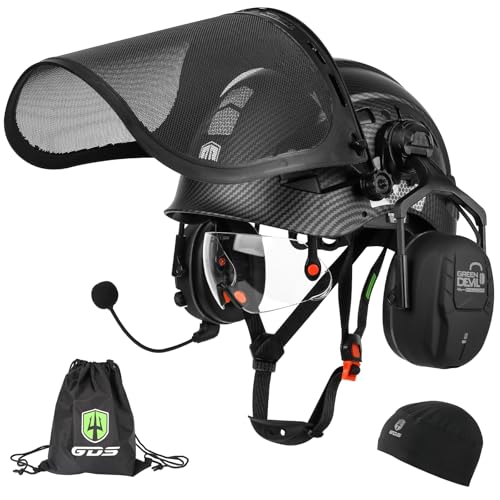
【Revolutionary Chainsaw Helmet System】:This helmet is constructed with heavy duty, impact resistant materials that provide long service life and protection.Helmet combinaton with face shield ,bulit-in visor and bluetooth ear muffs that provide protection you need when you are working in chain sawing,hedge trimmers,shrub trimmers,bush-cutters that require face,ear, eye and head protection,making it an ideal choice for forestry and industrial workers who require safety gear for various hazards.
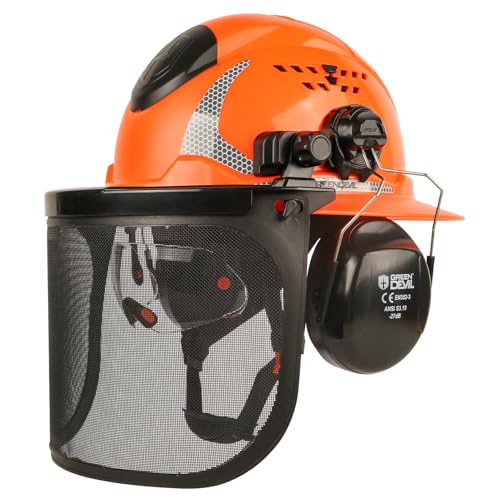
【Full Brim Style Forestry Helmet System】:Our Matrix FB series chainsaw helmet is made of premium HDPE material that’s strong and yet lightweight, this forestry chainsaw safety helmet offers superb coverage in extreme environments,protect your head from the impact of falling branches.Full brim design with its wide profile,this forestry safety helmet also can better protect you from glare, sun exposure(UV rays), rain, wind and sand, etc.
Conclusion
You’re now equipped to operate your pole saw with precision and control. Keep your stance balanced, your undercuts precise, and your hazard awareness constant. Maintain that chain, respect the kickback zone, and never compromise on PPE. Your safety isn’t negotiable—it’s engineered through every protocol you’ve followed. Cut smart, store right, and keep your footing secure.