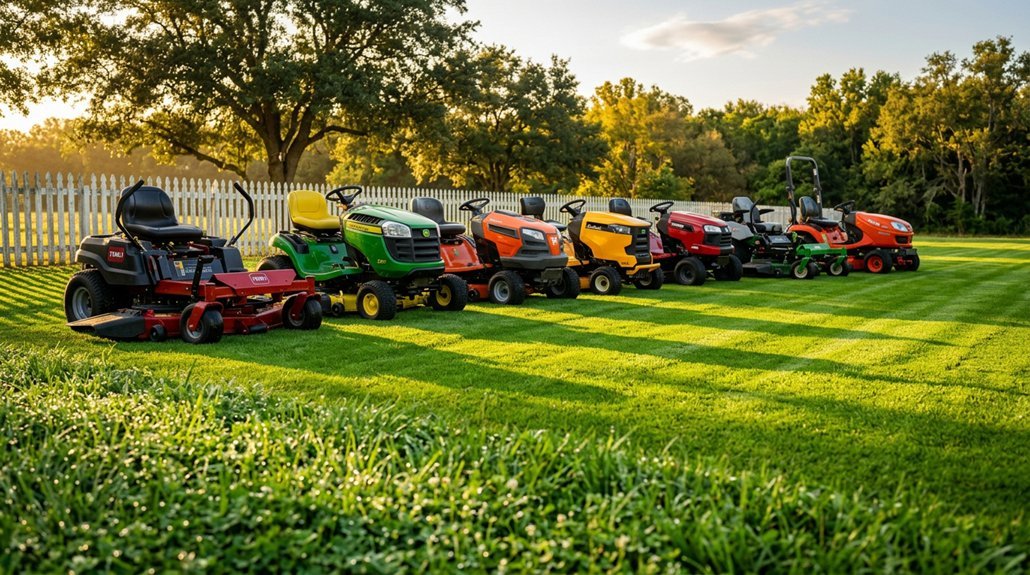

You’re looking at 500–1,000 hours before your riding mower hits critical wear, but that number shifts dramatically based on what you actually do with the machine. Your maintenance habits, terrain choices, and storage conditions will either stretch that lifespan or cut it in half. The real question isn’t how long mowers last—it’s why yours might fail sooner than it should.
The Average Lifespan of a Riding Lawn Mower (and Why It Varies)
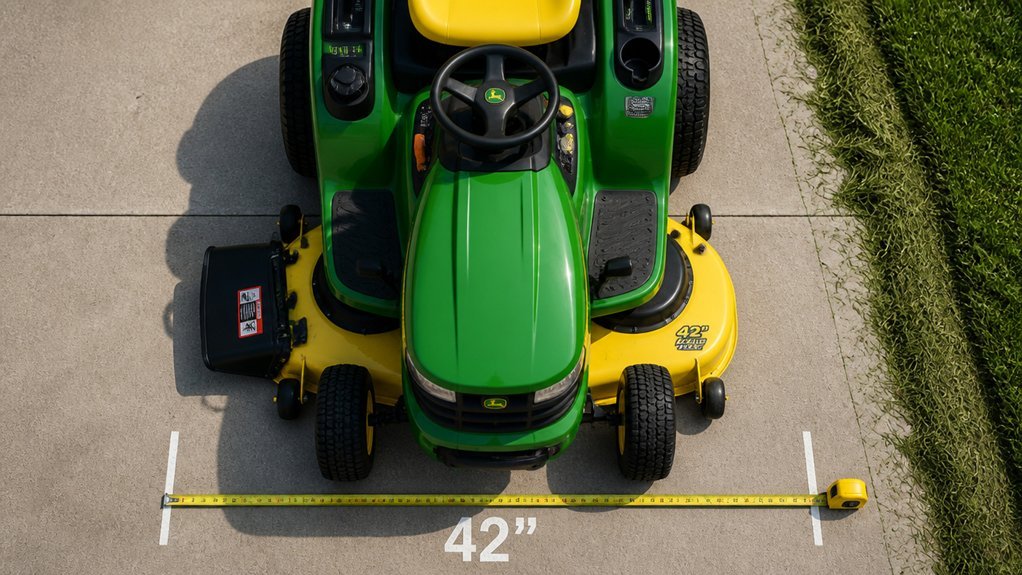
How long should you realistically expect your riding lawn mower to last? You’ll find most manufacturers engineer these machines for 500 to 1,000 operational hours. Translate that: you’re looking at roughly 7 to 10 years of typical residential use. However, you can’t treat that figure as fixed. You’re dealing with variables.
Your engine type dictates baseline durability. Single-cylinder air-cooled units deteriorate faster than liquid-cooled V-twins. You’ll also encounter hour meter discrepancies—some models track ignition time, not actual blade engagement. You must verify your specific metrics.
Deck material affects your structural longevity. Steel gauge, weld quality, and corrosion resistance determine when you’ll face replacement versus repair. You can’t ignore these specifications when you’re evaluating lifespan projections.
Recommended Products
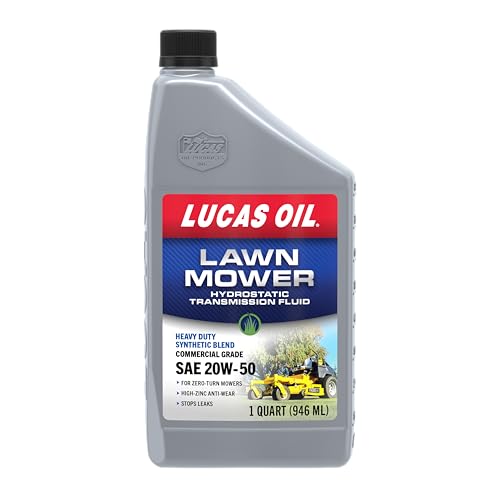
Premium Anti-Wear Protection

Broad OEM Compatibility: Compatible with leading zero-turn and stand-on mower brands, including Ariens, Bad Boy, Cub Cadet, Dixie Chopper, EverRide, Exmark, Ferris, Gravely, Husqvarna, Hustler, John Deere, SCAG, Snapper Pro, Toro, Walker, and Wright.
What Really Wears Out Your Riding Mower First: Maintenance, Terrain, and Storage
Where exactly does your riding mower fail first? You’ll find it’s rarely the engine—it’s the hydrostatic transmission, deck spindles, or steering components that give out when you push them past their design limits.
Your maintenance habits create the first failure point. You skip oil changes, and abrasive particles score the cylinder walls. You ignore grease fittings, and dry bearings seize the deck mandrels.
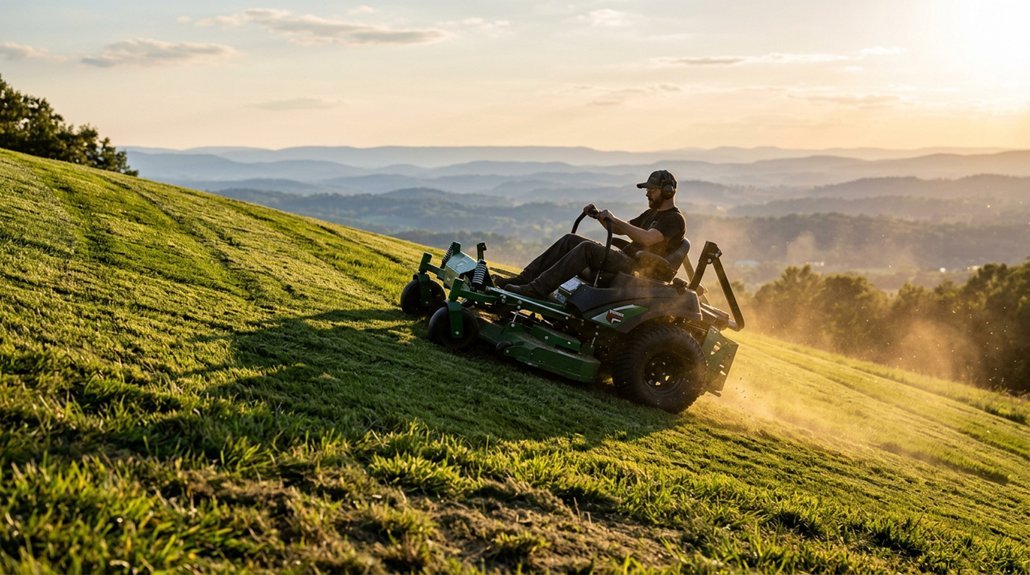
Terrain compounds every mechanical stress. You mow slopes exceeding 15 degrees, and you starve the oil pump while overloading the transaxle. You hit roots and stumps, and you bend blade spindles, throwing the deck out of balance.
Storage finishes what neglect starts. You leave it outside, and condensation corrodes electrical connections. You don’t stabilize the fuel, and varnish clogs the carburetor jets. You’re not just cutting grass—you’re managing wear propagation through every system.
Recommended Products
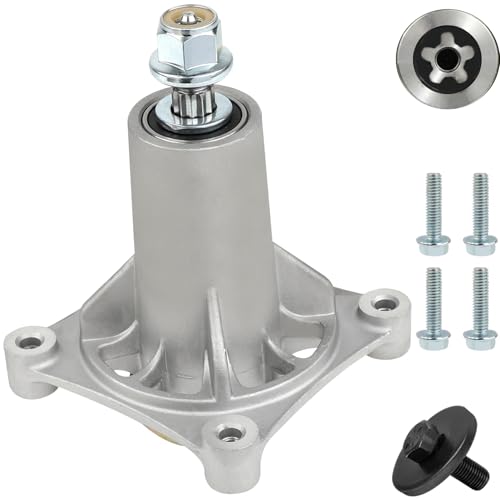
Compatible with : Spindle 187292 Mandrel Assembly Husqvarna Compatible with husqvarna, sears, craftsman, ariens, oregon & ayp 42", 46'', 48'' and 54" decks. Fits for 54'' poulan pro P54ZX. Package Include:1 x Mower Spindle,1 x Blade Bolts,1 x Washer,1 x Pulley Lock Nut,1 x Grease Zerk,4 x Mounting Bolts.
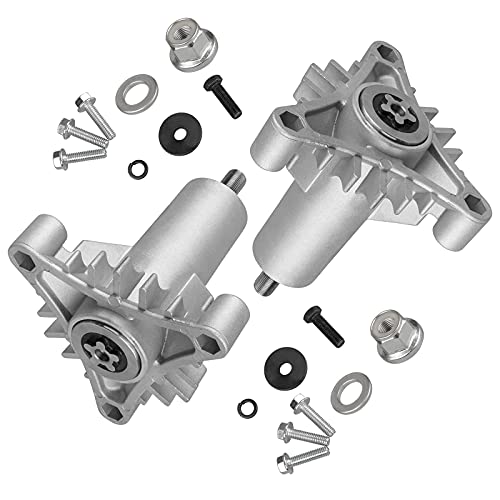
Compatible with most popular 36" 38" 42" cut lawn mower models: ① Craftsman: LT1000, LT2000, LTX1000, DLT 3000, YT3000 tractor ② Pou lan: PP11536, PP1036S, PP1136J, PP11536KA lawn tractor.

[Replacement Numbers] 918-04822 918-04822A 918-04822B 618-04822 618-04822A 618-04822B 918-04950 618-04950 918-04889 918-04889A 618-04889 618-04889A 82-058 14328 285-868 80-12-062 251-1948
7 Maintenance Habits That Extend Your Riding Mower’s Life
You can’t reverse the wear you’ve already inflicted, but you can arrest it.
Change your oil every 50 hours or annually; degraded lubricant accelerates bearing wear. Replace air filters when they restrict airflow—check by holding them to light. Grease zerks at 25-hour intervals; dry spindles seize. Sharpen blades every 25 hours; dull edges strain belts and spindles. Inspect deck belts for glazing and tension; slipping belts overheat pulleys. Clean debris from cooling fins and under-deck; trapped grass causes thermal runaway. Store with stabilized fuel or drain the carburetor; varnish obstructs jets.
These seven habits intercept failure modes before they cascade. You’re not performing maintenance—you’re conducting preventive diagnostics on a machine whose replacement cost exceeds the value of your time invested.
Recommended Products

SAE 10W-30 MOTOR OIL FOR SMALL ENGINES: One 32 fl oz bottle of STP Premium Synthetic Blend 4 Cycle Small Engine Oil SAE 10W-30, formulated for small engines in lawnmowers, generators, tractors, snow blowers, and other outdoor power equipment
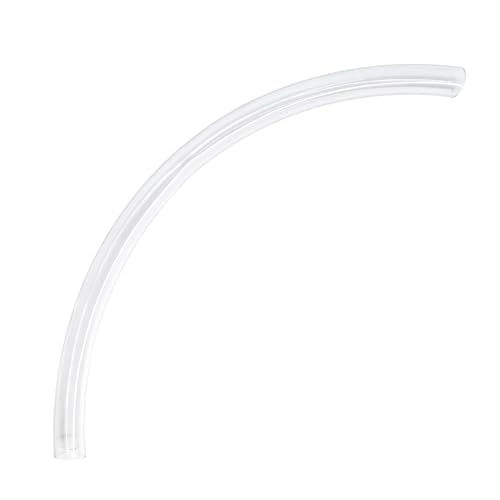
**Exact OEM Replacement, Secure Leak-Proof Fit** Direct replacement for OEM part # 532148456 and 148456, 1:1 precision manufacturing ensures a tight, secure connection without any modification. This oil drain tube eliminates oil leaks and messy spills during oil changes, protecting your mower engine and lawn from oil damage.

Replacement part number: 731-05628 73105628
How Many Hours Your Riding Mower Engine Can Last
Engine longevity hinges on duty cycle, metallurgy, and lubrication discipline—variables you control more than you might assume. You can expect 500–750 hours from single-cylinder air-cooled engines under moderate load. V-twin commercial-grade powerplants routinely surpass 1,500 hours when you maintain 25-hour oil change intervals and replace air filters before restriction degrades cylinder wall oil film integrity.
You must monitor hour meters religiously. Exceeding manufacturer torque specifications accelerates bearing fatigue. Operating below governed RPM lugs pistons, generating localized overheating that anneals ring tension. You prevent this by maintaining blade sharpness—dull edges force the governor to hold wide-open throttle continuously, accumulating thermal stress.
Coolant-cooled diesels? You’re looking at 3,000+ hours, provided you test freeze protection annually and replace thermostats at half of their rated cycle life.
Recommended Products

1. SAE & NPT COMMON THREAD SIZES Includes 60 grease zerk fittings in commonly used 1/4"-28 SAE and 1/8"-27 NPT thread sizes. A practical replacement kit for worn, missing or damaged grease fittings on compatible vehicles, tractors and machinery.
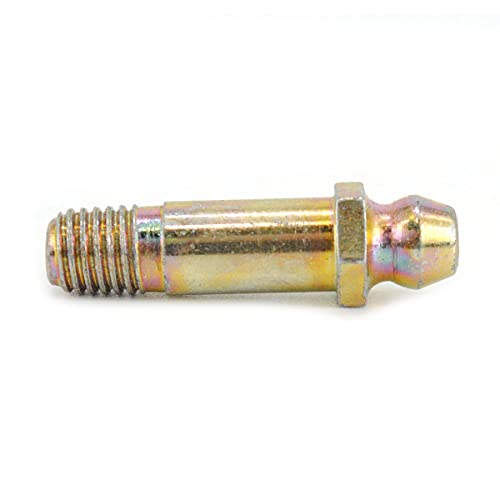
COMPATIBILITY INFO: 1/4-28 x 1.125 grease zeerk fitting for Grasshopper blade spindle assemblies. Protect your investment and ensure peak performance by trusting only genuine Grasshopper replacement parts and supplies to maintain your Grasshopper mower. Grasshopper parts are manufactured to meet ultra-precise engineering specifications, and can help you maximize performance and significantly extend the life of your mower.
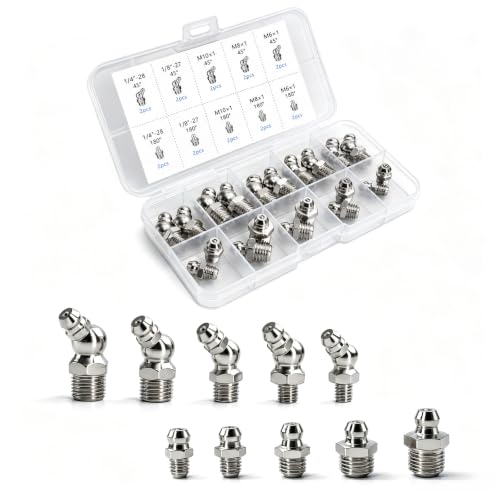
【Durable Nickel-Plated Steel】 Grease fittings are built from high-strength nickel-plated steel,offering rustproof,anti-corrosion,and oxidation resistance.They outperform zinc-plated iron in harsh outdoor and farm environments,extending your zerk fittings service life.You can rely on them for long-term use on tractors and heavy equipment.
When to Repair Your Riding Mower: and When to Replace It
Hour meters eventually force a binary decision: sink capital into declining machinery or reallocate resources toward replacement. You repair when failures remain component-isolated: a blown head gasket, a seized spindle, or a cracked deck shell. You calculate parts-plus-labor against 30-40% of replacement cost; beneath that threshold, you rebuild. You replace when you encounter cascading systemic degradation—scored cylinder walls, transmission pump failure, or frame fatigue. You watch for parts obsolescence; discontinued decks and engine blocks signal terminal decline. You assess your hourly opportunity cost: three weekends of troubleshooting versus immediate operational readiness. You track repair frequency; second and third interventions within a single season indicate negative return on maintenance. You don’t sentimentalize machinery. You run the numbers, then you decide.
Recommended Products

Improved Airflow: With DASARYA air filters, improved airflow to lawn mower engine, promoting better combustion and maximizing power output.

Pro Performance: Exactly compatible with BS-796031 BS-591334 594201 797704 air filter, part number of 5428K 5428 5421. Compatible with Husqvarna YTH22V46 YTH24V48 YTA22V46, John Deere D100 D125 D130 D110 riding lawn tractor / mower air cleaner.
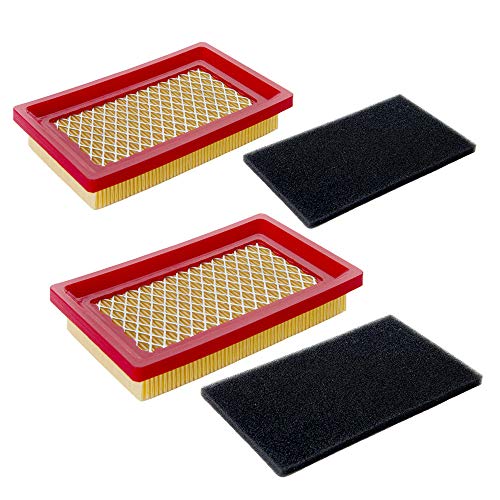
Pro Performance: Exactly replacement for Cub Cadet MTD SC100 951-10298 951-14632 751-10298 air filter, fit 159cc 173cc 4.5 - 6.5 HP OHV engine, 11A 12A series push / walk-behind lawn mower. [Note: this is not 951-15245 air filter which is shorter and wider than this item, please check the size]
Conclusion
Your riding mower’s lifespan hinges on how you treat it. Track your hour meter religiously, perform maintenance at 25- and 50-hour intervals, and store it dry. When you spot isolated failures—replace components. When degradation cascades across engine, deck, and transmission—replace the machine entirely. You’ve got 500–1,000 hours; use them wisely.
Recommended Products
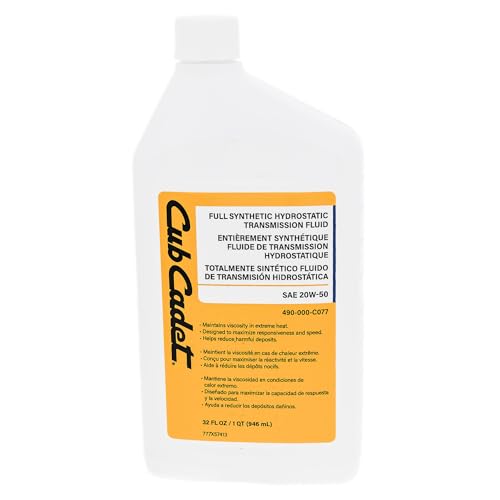
SAE 20W-50 Full Synthetic Hydrostatic Transmission Fluid is engineered to withstand mechanical stress and shearing for wear protection, performance and consistently smooth control that won?t fade over

Belt for Transmission (Hydrostatic); Measures:Width 1/2" Length 38.24"
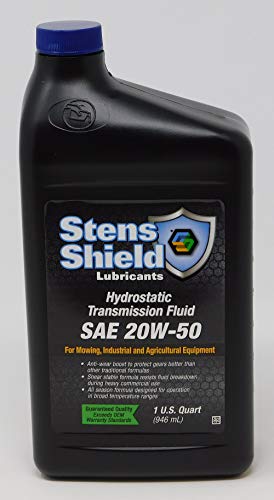
Shear stability maximizes performance during heavy use by resisting fluid breakdown