
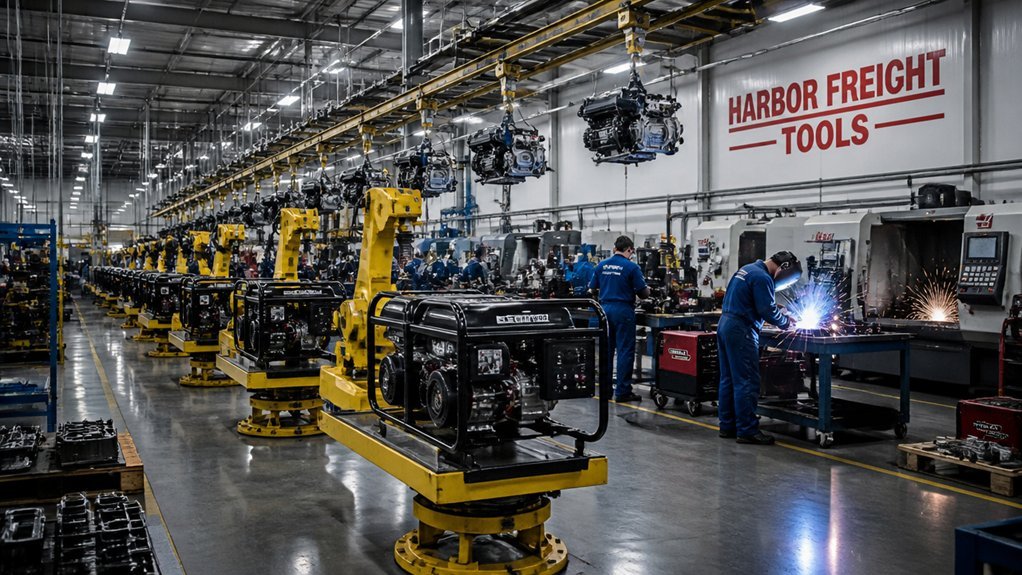
You probably recognize Predator generators from Harbor Freight’s displays, but you might not realize the full supply chain behind that value pricing. The brand operates as a wholly owned subsidiary with manufacturing contracted entirely to Chinese facilities—Harbor Freight maintains zero domestic production. This offshore strategy raises questions about quality control, warranty trade-offs, and whether you’re sacrificing long-term reliability for upfront savings. The answers aren’t as straightforward as the marketing suggests.
Who Makes Predator Generators?
Predator Generators originate from Harbor Freight Tools, a U.S.-based retailer that owns the brand outright and sources manufacturing entirely from China. You recognize Harbor Freight’s strategic positioning of Predator as “Best Value in Power,” with output ranging from under 3,000 to over 8,000 watts across multiple product tiers.
You’ll observe that Harbor Freight leverages overseas manufacturing to achieve cost efficiency while maintaining competitive pricing in the portable power market. The Predator portfolio extends beyond generators to include pressure washers, pumps, and complementary equipment, forming an integrated product ecosystem.
You understand that Harbor Freight’s customer service confirms China-based assembly operations, with final quality assurance conducted domestically. This hybrid model allows you to access affordable power solutions without sacrificing baseline reliability standards. The brand’s market penetration reflects successful execution of value-engineered manufacturing strategies.
Recommended Products
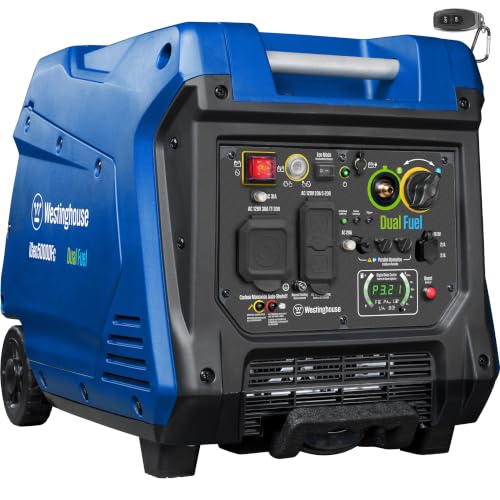
5000 Peak Watts and 3900 Rated Watts at Less Than 3% THD – Telescoping Handle – Gas or Propane Powered – Remote Start With Included Key Fob, Electric and Recoil Start. Grounding System-Floating Neutral

𝗣𝗼𝘄𝗲𝗿𝗳𝘂𝗹 𝗢𝘂𝘁𝗽𝘂𝘁 - 4400 peak watts and 3400 running watts, perfect for RV camping and home backup

Powerful & Clean Energy Output:4500W peak watts / 3500W running watts, delivering dependable power for RVs, camping, home backup, and outdoor work. Advanced inverter technology provides clean and stable electricity, making it safe for sensitive electronics like laptops, CPAP machines, and mobile devices.
Where Are Predator Generators Made?
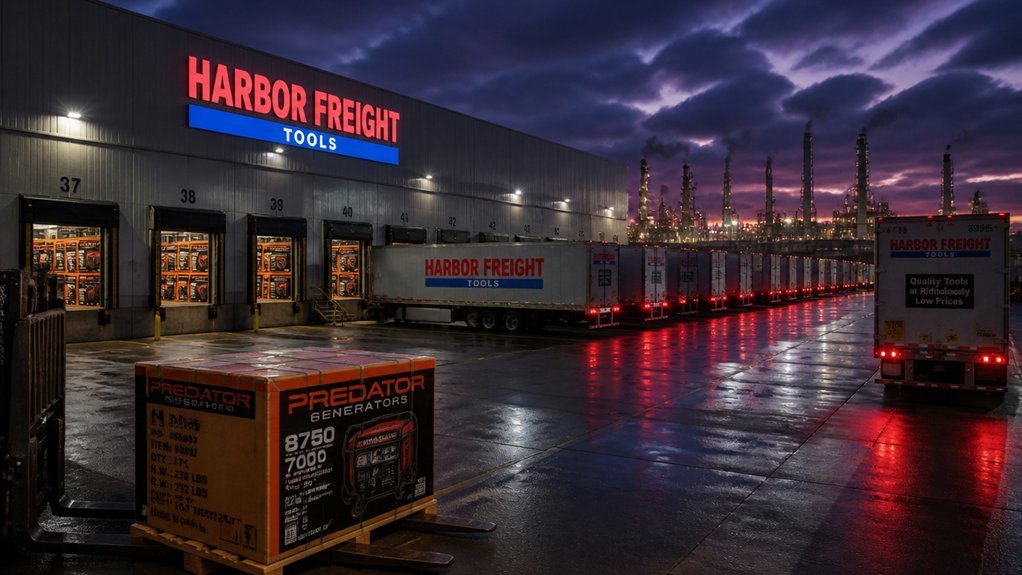
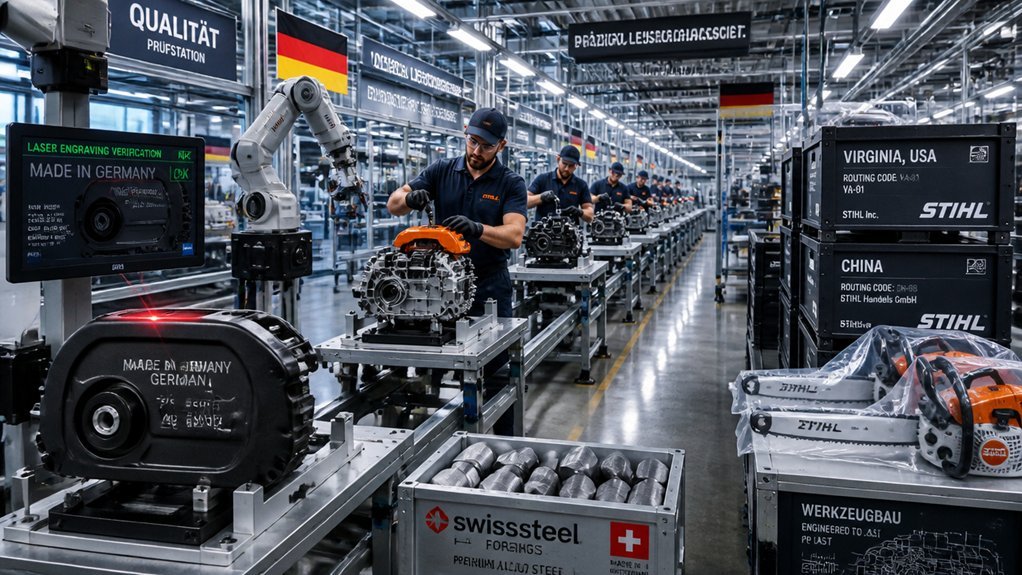
Understanding Harbor Freight’s ownership of the Predator brand necessarily leads you to examine where production actually occurs. You find that Predator generators originate from China manufacturing facilities, with Harbor Freight confirming that no domestic production exists. You note that Predator generators are assembled in China from start to finish, utilizing cost-optimized supply chains typical of overseas production models.
You observe that country-of-origin data remains obscured in official marketing, yet direct customer service disclosures verify “made in China” and “assembled in China” status. You recognize that final QA checks represent the sole U.S.-based touchpoint, creating a hybrid oversight structure without altering manufacturing geography.
You analyze this China-centered production as a strategic market positioning tool, enabling aggressive pricing through reduced labor and material costs. You conclude that China’s manufacturing dominance in small engine production makes this offshore arrangement economically rational for Harbor Freight’s value-tier market penetration strategy.
Recommended Products

New 6 wire AVR Automatic Voltage Regulator for Harbor Freight Predator & Chicago Electric Branded 2000/2400, 3000/3500, 3200/4000, 3050/3500 Watt Gasoline Generator

Powerful RV and Home Generator with Electric Start: Ideal for furnaces, fridges, most 13,500 BTU RV AC units, and more, this easy-to-use house generator features advanced inverter technology to supply power reliable enough for computers

3500W PEAK / 3000W RATED POWER: Built for RV camping and home backup essentials such as lights, fans, chargers, routers, TVs, small refrigerators, and many compatible small appliances.
Why Predator Costs Less Than Honda
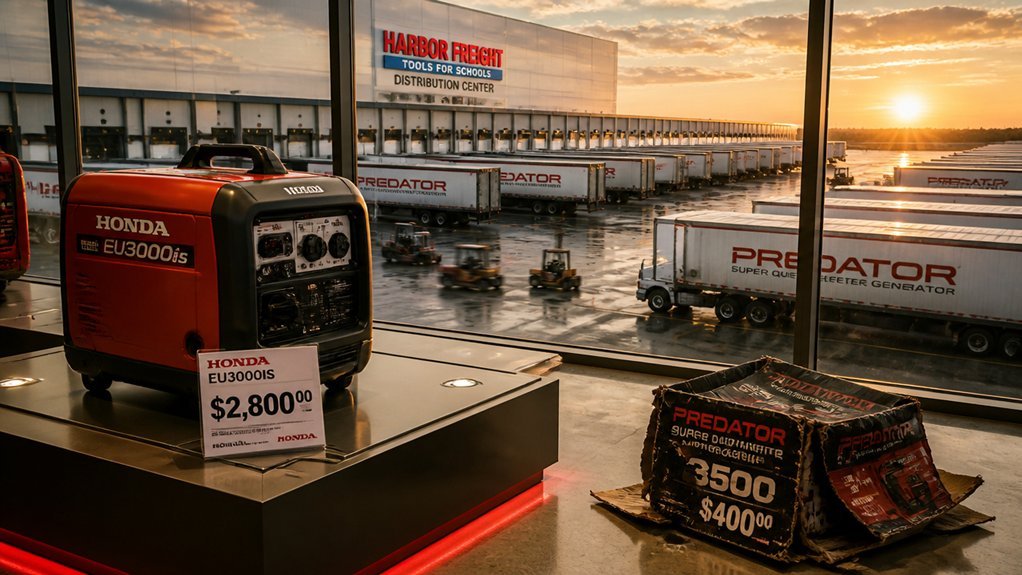
Why does a Predator generator command roughly half the price of a comparable Honda unit? You find the answer in overseas manufacturing and strategic market positioning. Predator generators originate from Chinese production facilities where lower labor and material costs compress manufacturing overhead. Harbor Freight leverages these efficiencies to deliver a price advantage that undercuts premium competitors.
You observe this cost structure directly: a Predator unit retails near $500 while Honda equivalents approach $1,000. The company channels savings into aggressive pricing rather than extended warranty coverage or component refinement. You’re accessing what Harbor Freight markets as “best value in power”—functionality without premium engineering margins. This approach sacrifices some durability benchmarks but captures budget-conscious segments. Your purchasing decision weighs immediate capital outlay against projected lifecycle costs, recognizing that Predator generators prioritize accessibility over longevity in their value proposition.
Recommended Products

Dual fuel design runs on both gasoline (8000 surge watts, 6500 rated watts) and propane (7200 surge watts, 5850 rated watts)
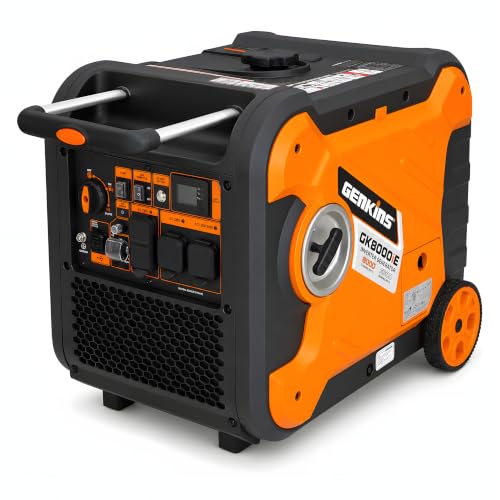
Powerful & Stable Performance: Portable generators equipped with an 8000W peak power and 6500W rated power, driven by a high-efficiency 327cc OHV engine. Features pure sine wave output (≤2% THD), which delivers clean and stable electricity, safely powering sensitive electronics such as laptops, TVs, refrigerators, and other household appliances without damage.
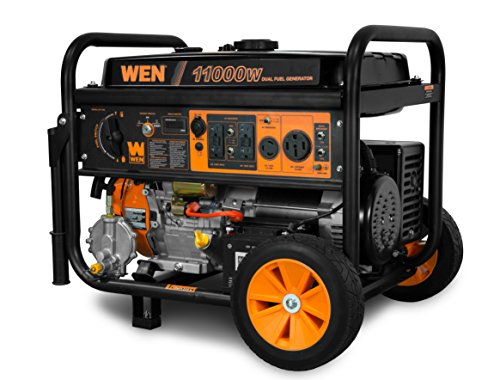
Switch between gasoline (11,000 surge watts, 8,300 running watt) and propane (9,500 surge, 7,500 running) with the simple turn of the selection dial
Predator’s 90-Day Warranty vs. Honda’s 3 Years
How much protection does your investment actually carry when you choose a budget generator over a premium alternative? You face a stark warranty comparison: Predator’s 90-day coverage versus Honda’s 3-year comprehensive protection. This 90-day window leaves you exposed to repair costs far sooner, fundamentally altering your risk calculus in the Predator vs Honda evaluation.
You must weigh this disparity against upfront savings. Honda’s extended warranty signals manufacturer confidence in long-term reliability, reducing your total cost of ownership through included parts and labor. Predator’s truncated coverage demands you budget for potential failures beyond three months, particularly if you’re deploying units for critical home backup. Your purchasing decision hinges on whether immediate price reductions outweigh extended vulnerability. Market data shows warranty longevity directly correlates with perceived durability, positioning Honda favorably for users prioritizing uninterrupted performance across multiple operating seasons.
Recommended Products

Low cost controller designed to start/stop a generator manually and remotely

Part Name: Automatic Controller
Which Predator Generator Should You Buy?
What specific power demands and deployment scenarios should drive your selection within Predator’s 27-model lineup? You’ll analyze your wattage requirements first—sub-3,000 watts suits RV and recreational use, while 8,000+ watts handles home backup and job-site demands. You’re weighing Predator generators against premium competitors, recognizing that Harbor Freight’s “Best Value in Power” positioning sacrifices warranty duration for upfront affordability. You’re comparing 90-day coverage against Honda’s three-year terms, calculating total cost of ownership across your projected usage cycle. You’re prioritizing portability for mobile applications or stationary output for construction environments. You’re assessing whether immediate value outweighs long-term service security. Your optimal choice balances power output, deployment frequency, and risk tolerance regarding warranty limitations inherent in this price-driven product architecture.
Recommended Products

9500 Running Watts and 12500 Peak Watts (Gasoline); 8500 Running Watts, 11200 Peak Watts (Propane); Remote Start with Included Key Fob, Electric and Recoil Start; Up to 12 Hours of Run Time on a 6. 6 Gallon Fuel Tank with Fuel Gauge
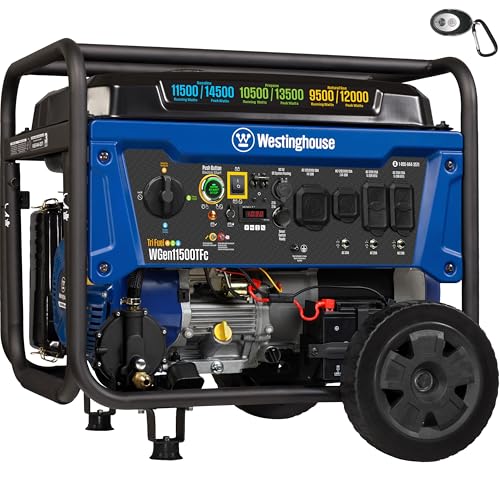
Perfect as a backup power source for larger homes or a dependable source of portable power
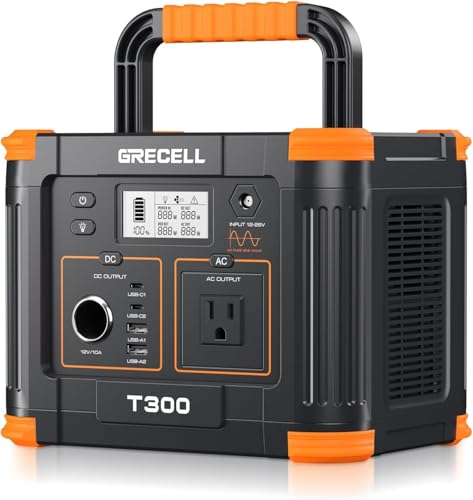
【230.88Wh Capacity, 330W Output】330W (600W surge) pure sine wave supports most laptops, tablets, phones, lights, fans, CPAP medical devices, projectors, TV, mini-refrigerator, speaker, camera (rated power less than 330W). 230.88Wh huge capacity but light weight makes it compact and perfect for camping, car trips and other family outings.
Conclusion
You’re buying into Harbor Freight’s offshore sourcing model when you choose Predator. Chinese manufacturing cuts costs, but U.S.-based QA adds a layer of oversight. That trade-off—lower price against shorter warranty—positions Predator as a market-disrupting value play, not a Honda competitor. Your purchase decision hinges on runtime needs, budget constraints, and risk tolerance for component longevity.
Recommended Products

PORTABLE POWER FOR CAMPING, HOME BACKUP, AND TAILGATING: Produces 2,200 running watts and 2,500 starting watts from a 46.6-pound inverter generator built for camping trips, outdoor events, and short-duration home backup when the grid goes down
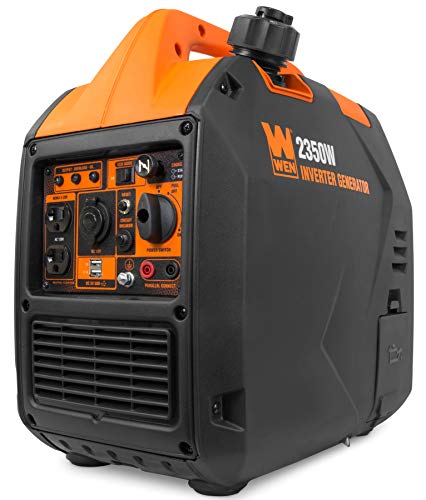
Ultralight body weighs in at a mere 39 pounds for easy transport and storage
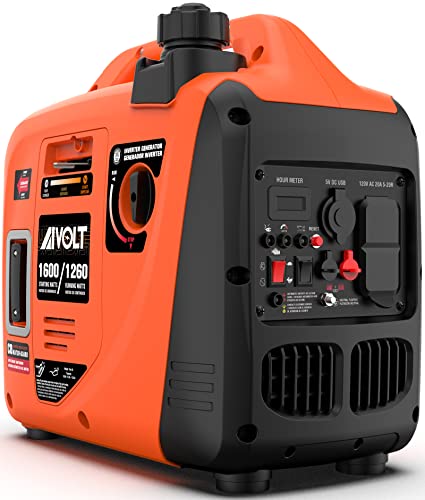
🔌 Safe for Sensitive Electronics | <3% THD Clean Power Inverter Generator - This portable inverter generator with advanced inverter tech delivers stable, clean power (THD <3%), safe for your phones, laptops, or small tools. It’s the perfect for home office backups during blackouts or generator for camping - keep your devices charged without worry