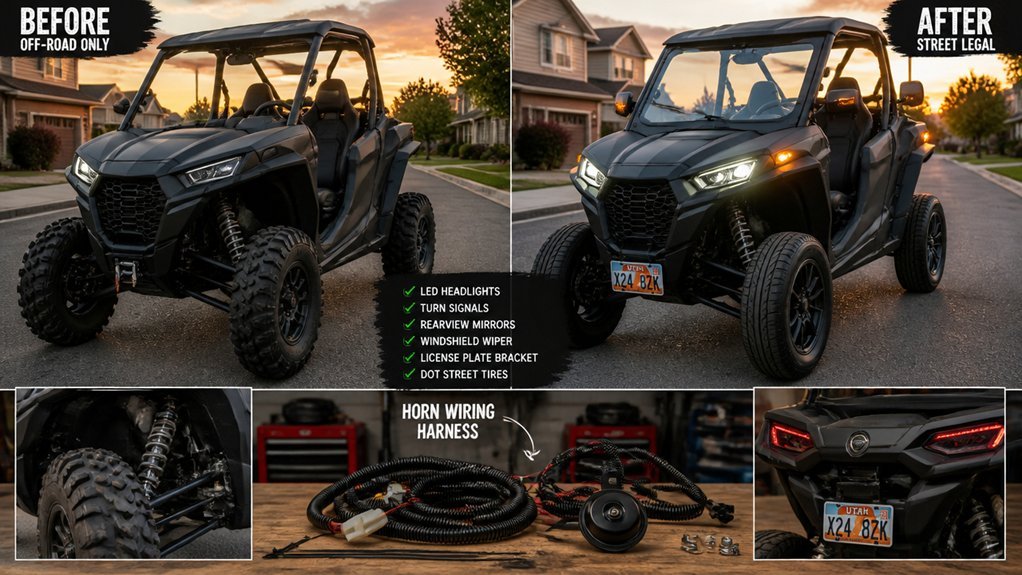

You’re considering a side-by-side for off-road operations, but you need to understand what regulatory standards actually apply before you purchase. These vehicles aren’t simply recreational toys—they’re subject to federal safety verification, occupant protection requirements, and operational limitations that vary by jurisdiction. The wrong choice could leave you non-compliant. Let’s examine what defines this vehicle class.
What Is a Side-by-Side? The Off-Road Basics
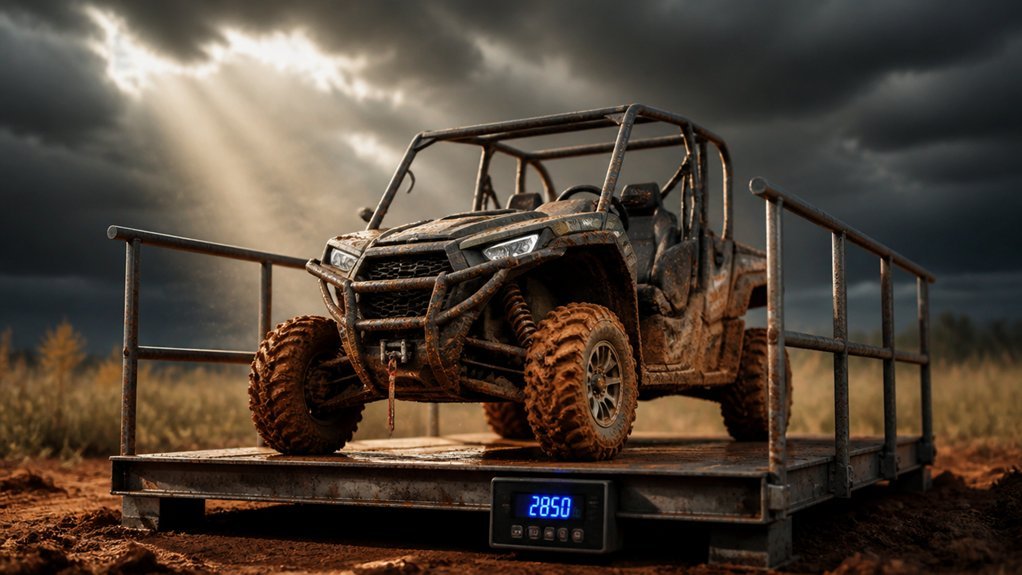
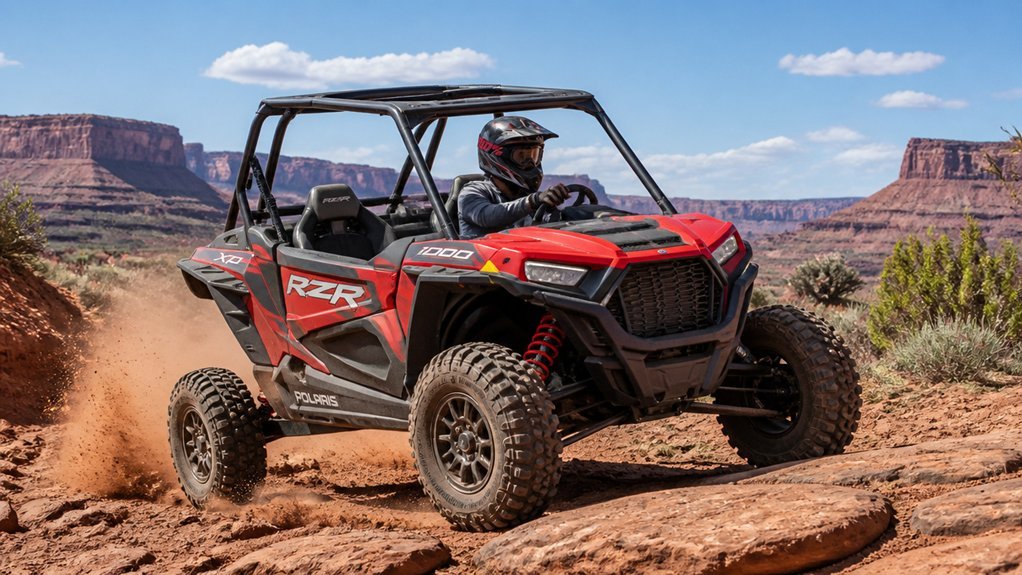
A Side-by-Side (SxS) represents a category of off-road utility task vehicles engineered to transport operators and passengers across unimproved terrain through a controlled, car-like interface. You operate this UTV using a steering wheel and pedals rather than handlebars, reducing operator fatigue during extended use. The roll cage structure surrounds you, providing critical protection during rollover incidents that off-road environments present. Seating configurations accommodate two to six occupants, with seatbelt systems mandatory for occupant retention. You’re required to verify that your SxS meets applicable safety standards before operation. These vehicles serve dual purposes: recreational trail riding and utility tasks including gear transport across rugged terrain. You must recognize that regulatory compliance varies by jurisdiction, affecting where you’re permitted to operate your Side-by-Side. Proper training ensures you manage risks inherent in off-road vehicle operation.
Recommended Products

4-POINT HARNESS SYSTEM - Engineered with high-strength polyester webbing and steel adjusters for optimal load distribution and impact resistance

The 50 Caliber Racing- 4 Point racing harnesses with our patented Ultra Kush Padding for extended comfort. Available in 9 vibrant colors, these harnesses don’t just look amazing—they feel amazing too!

4 Pack Quick Release Mount for 2 Inch Harness 4 Point and 5 Point Compatible with Part of Polaris RZR-CanAm, YXZ and X3 models,UTV Seat Belt upper brackets Quick Release hardware,Quick Release Mount
Side-by-Side vs ATV: Where Each One Wins
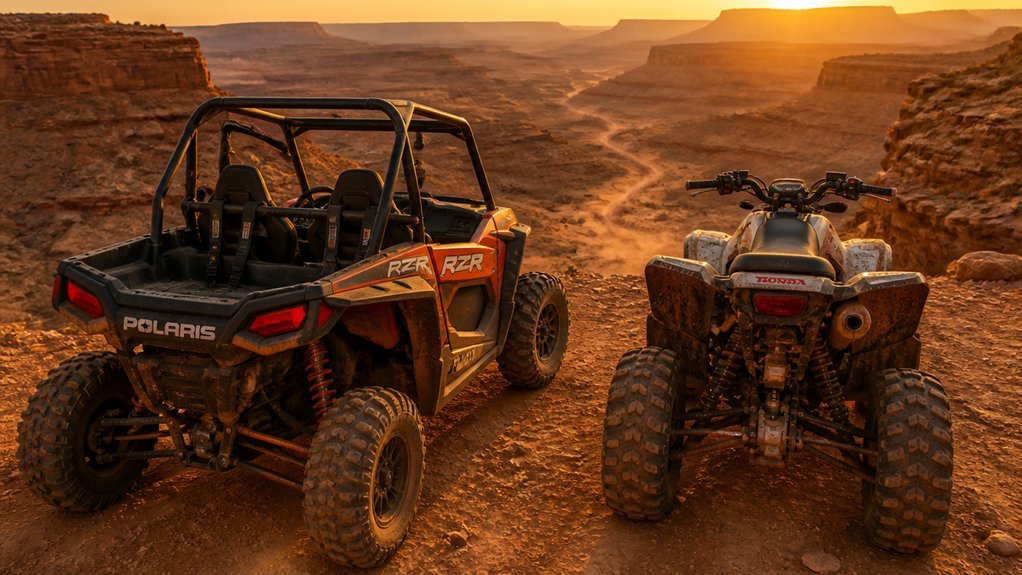
Understanding what defines a Side-by-Side sets up the need to evaluate how it compares against the ATV, since you’re likely deciding which configuration matches your operational requirements and risk tolerance.
When analyzing SxS vs ATV, you’ll note the side-by-side employs a steering wheel and foot pedals, whereas ATVs utilize handlebars. Your utility task vehicle selection hinges on passenger capacity: SxS configurations accommodate multiple occupants with comfort seating, while ATVs restrict you to one or two riders. The SxS cargo bed and elevated towing capacity suit demanding worksite obligations, complemented by mandatory safety features including a roll cage and seatbelts. Conversely, you’ll find ATVs preferable for narrow trails where maneuverability outweighs hauling demands. Assess your exposure to rollover hazards, regulatory compliance needs, and whether you’re prioritizing occupational functionality over recreational accessibility before committing to either platform.
Recommended Products

Off-Road Compatibility: The Newest 2023 UTV phone mount with aluminum alloy bracket fits 1.75"-2" roll cage, compatible with Polaris RZR, Can am x3, Polaris Ranger and more off-road vehicles

Large Storage: The UTV hunting tool rack bag is 52.4x16.5x3.9 inches and can hold one tool on each side, with additional storage pockets for hunting tools magazines, scopes, ear protection, and more

Maximize Storage Space: Upgrade your roll cage cargo bag with an increased height of 2 inches for larger storage capacity. The thoughtfully designed pockets of various sizes and types allow you to conveniently store different items. This considerate design ensures smooth off-road activities. The bag's capacity can reach up to 12 liters
UTV, SSV, SxS: Sorting Out the Names
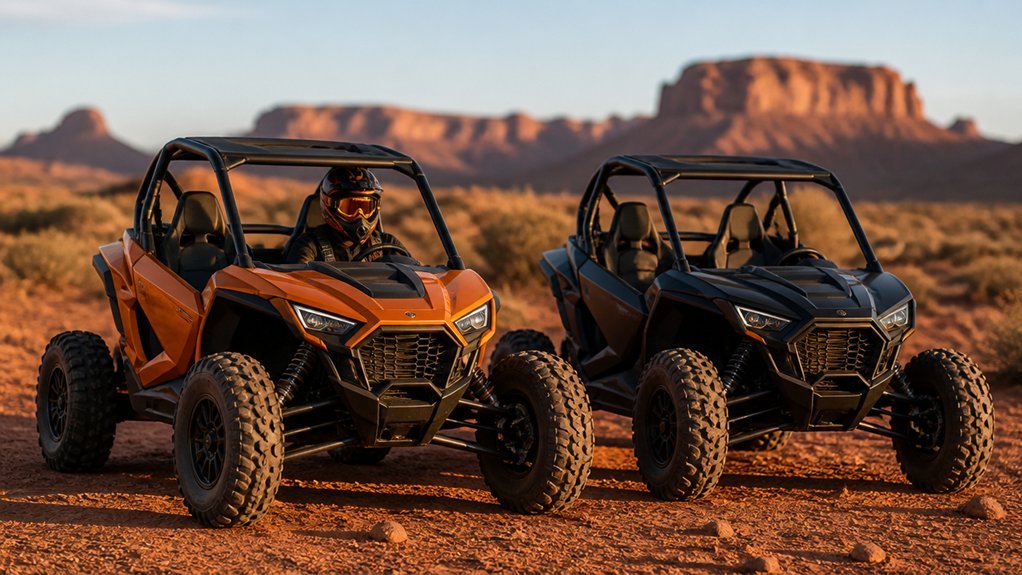
Why does the same off-road platform carry three different designations? You’re navigating a landscape where terminology carries regulatory and commercial weight.
SxS denotes the core architecture: a side-by-side seating arrangement with a steering wheel and pedals for two to six occupants. When you encounter UTV, you’re seeing the industry-standard classification emphasizing utility—payload capacity and cargo bed functionality for work applications. SSV represents Can-Am’s proprietary branding, though you’re observing identical structural elements: roll cage protection, seat restraints, and four-wheel-drive capability.
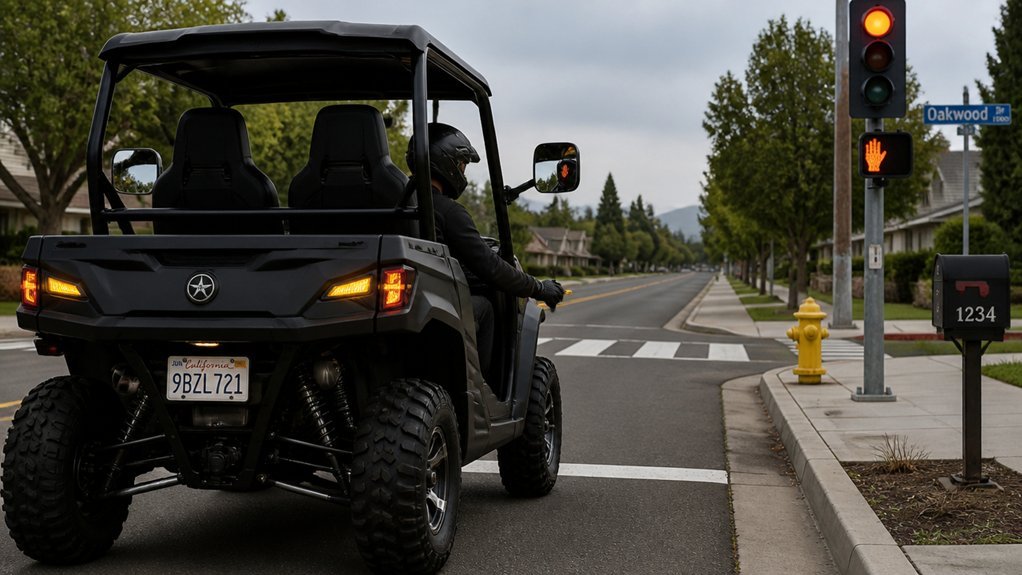
You must recognize that these designations aren’t interchangeable in regulatory contexts. Documentation specifying “UTV” may trigger distinct compliance requirements versus “SSV” labeling. When you’re evaluating specifications, verify whether off-road capability claims align with actual cargo bed ratings and roll cage certifications. Your procurement decisions should prioritize manufacturer disclosures over marketing terminology.
Recommended Products

Soft Material: The items are made of flexible TPU polyurethane which is friendly to humans.They will provide the softest care for your eyes.

Tummy Control and Slimming: The A line design and elastic fabrics at the waist offer tummy control, shape the body, enhance curves, visually elongate the figure, and create a slimmer silhouette

ANSI Z87.1+ CERTIFIED IMPACT PROTECTION — Independently tested and compliant with the ANSI Z87.1+ high-impact standard to protect against flying debris, particles, and projectiles on construction sites, manufacturing floors, and industrial worksites. Also compliant with CSA Z94.3 for Canadian jobsites.
5 Features That Make or Break Your Ride
How do you determine which specifications genuinely matter when you’re evaluating an SxS for purchase? You must prioritize rollover protection and cabin protection, as regulatory standards mandate robust roll cage structures and occupant containment systems. You operate the vehicle via a steering wheel and foot controls, so ergonomic placement directly affects your operational safety.
You should examine suspension travel and ground clearance, which determine your terrain capability without compromising stability. Your seating arrangement—whether two, four, or six occupants—impacts weight distribution and regulatory compliance for occupant restraint systems.
You must verify cargo capacity and towing capability against your operational requirements; exceeding rated limits violates safety protocols. You need four-wheel drive for traction management in hazardous conditions. Finally, you can’t overlook integrated safety features—seatbelts, protective enclosures, and certified structures—that mitigate injury risks during operational incidents.
Recommended Products

【Lightweight & Durable】Made of aluminum, the UTV bed rack is lighter than other iron alternatives,reducing vehicle load while remaining durable even at full capacity.

AMERICAN PATRIOT OWNED & OPERATED – Becoming a member of the Straight Jacket Crew not only puts you ahead of the pack with your gear, but it means you’re supporting a small business in the USA. Join the premier team of powersports and outdoor enthusiasts!

WIDE COMPATIBILITY: Heavy-duty atv tie down anchors kit aluminum anchor accessories are specifically designed for most CF Moto UTVs and ATVs. ATV & UTV tie down anchor kits fit perfectly for CForce, ZForce, and UForce 1000 950 800 600 625 U10 Pro/XL series. Note: Please verify your vehicle has the mounting block system before purchasing
Pick the Best Side-by-Side for Your Terrain
You’ve evaluated the structural and safety specifications that govern operational integrity—now you must align those capabilities with your intended operating environment to remain compliant with terrain-specific safety protocols.
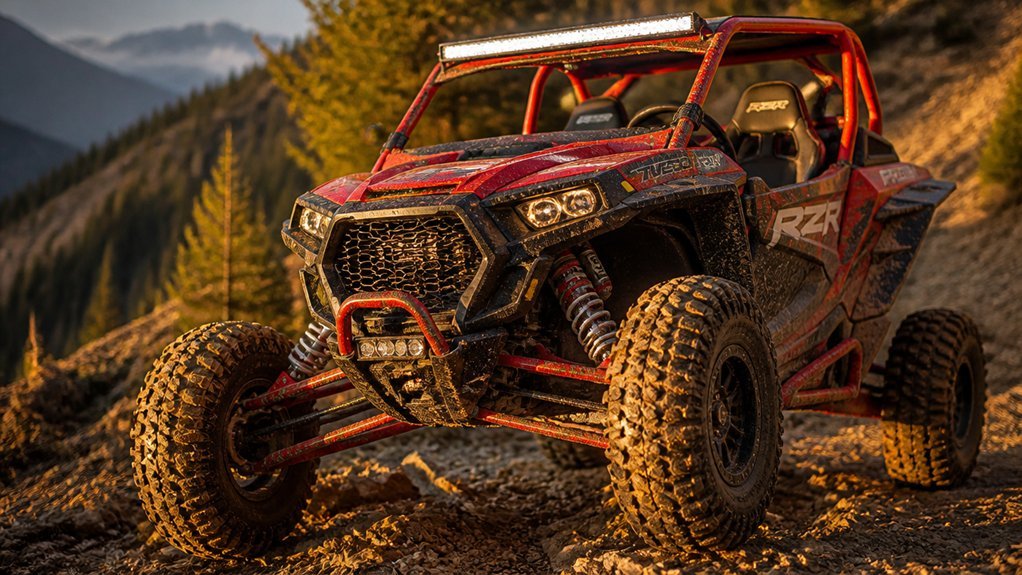
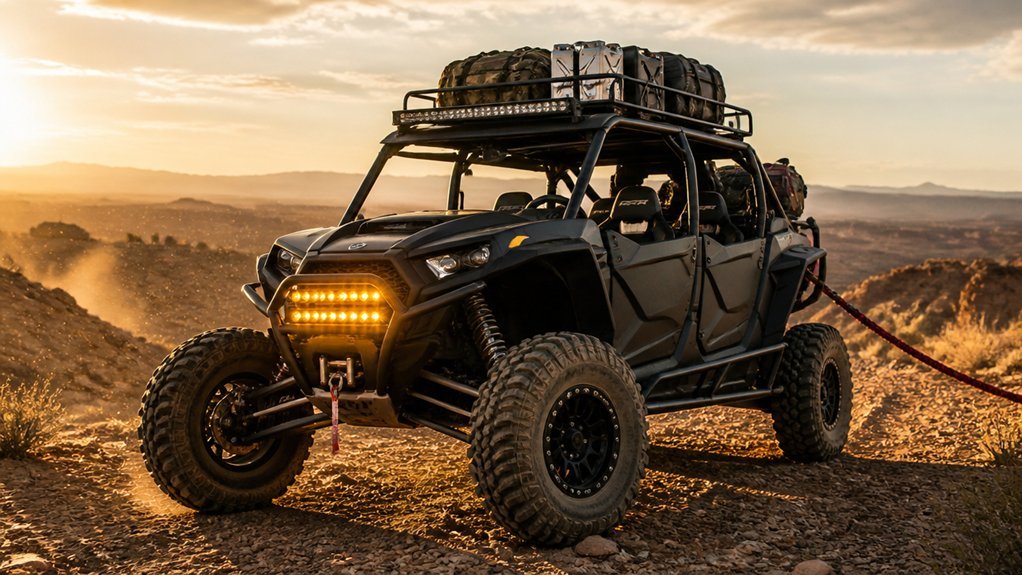
For high-speed, technical terrain, you’ll select a sport side-by-side with long-travel suspension and lighter weight. These SxS models deliver agile handling across dunes and rocky trails. When you’re executing rugged farming or construction operations, you’ll deploy a utility side-by-side featuring an expanded cargo bed, elevated payload, and substantial towing capacity. You’ll verify that your selected configuration matches suspension travel to surface demands—sport suspensions absorb extreme impacts, while utility suspensions stabilize heavy loads. For multi-passenger compliance, you’ll specify crew models. Consider enclosed cabins and climate systems where year-round operational continuity remains mandated by your regulatory requirements.
Recommended Products

iKKEGOL Upgraded with wide pedal, Optical Switch and USB Foot Switch is a standard HID device and programmable keyboard and mouse that is triggered by your foot. Optical Switch is quiet.

3.2Nm Direct Drive Force Feedback — This gaming steering wheel uses a custom servo motor delivering 3.2Nm peak torque for instant, detailed force feedback. No gears, no belts — the motor connects directly to the steering shaft for faster response and finer road texture. A clear upgrade from traditional gear-driven racing wheels.

Space-saving Foldable Design: These foldable foot pedals feature a clever folding mechanism that allows the foot pegs to flip up when not in use. This space-saving design helps protect the pedals from damage during parking or storage and gives your motorcycle a cleaner, more streamlined appearance.
Conclusion
You’re selecting a regulated vehicle class, so you’ll verify that your chosen SxS meets applicable safety standards and manufacturer specifications before operation. Confirm proper restraint systems, evaluate roll cage integrity, and assess whether enclosed or open cabin configurations suit your terrain requirements. Match towing capacity and cargo ratings to your tasks. Prioritize compliance with local regulations over performance metrics, and you’ll minimize operational risk.
Recommended Products
PROFESSIONAL SAFETY SYSTEM - Our 4-point racing harness provides secure positioning and comfort for UTV, ATV, and side-by-side adventures. Ultra Kush padding distributes pressure evenly across shoulders and lap for extended ride comfort during off-road excursions.

The 50 Caliber Racing 4 Point Harnesses (2) with our patented Ultra Kush Padding straps. Available in 9 vibrant colors, these harnesses don’t just look amazing—they feel amazing too!

Universal Fit: 4-Point Harness is made to work with a variety of UTV models, Off Road Use Only