

You need a snow blower that matches your driveway’s square footage, typical snow depth, and your available storage space. Start by measuring your clearing area and noting wet versus dry snow conditions. The right width and stage will save you time and prevent overbuying. Your specific terrain and power preference matter more than you might expect.
Measure Your Driveway and Typical Snow Depth
How do you avoid buying a blower that quits halfway through your driveway or wastes hours on oversized hardware? You measure your driveway width and length first, calculating total clearing area to determine how many passes a given clearing width demands. You assess typical snowfall depth—6 inches versus 12–18 inches—to match intake height and engine output. You’re matching clearing width to area geometry: multiply necessary clearing width by depth capability to hit efficiency targets without overspecifying. You identify wet versus dry density, obstacles, and tight curves that constrain maneuverability. You’re buying specifications, not guesswork. Get the numbers right, you’ll move snow fast without burning budget or fuel on capacity you’ll never use.
Recommended Products

Unstoppable Power: The Snow Blower harnesses a 99cc 4-stroke engine with an optimized throttle curve and cold start technology, igniting dependable strength even at -22°F.

THROWS SNOW UP TO 45 FEET – Peak Power technology combines the power of any two EGO ARC Lithium batteries to clear heavy, wet snow and throws it up to 45 feet away without the noise, mess, or fumes of a gas snow blower
Choose Your Stage: Single, Two, or Three?

Where does your snowfall intensity and driveway size place you on the capability spectrum?
You’ll find single-stage models deliver 18–22 inch clearing widths and 6-inch intake heights, processing light snow on compact, smooth surfaces. When you confront variable depths and larger areas, two-stage units expand your specifications to 20–38 inch widths with 20-inch intakes, handling denser accumulation without engine strain. For accelerated throughput on heavy, wet, or frequent snowfall across extended driveways, three-stage systems incorporate mechanical accelerators that fracture ice and snow before discharge, achieving 24–30 inch widths and 21-inch intakes. You trade operational speed against storage footprint and acquisition cost: single-stage minimizes both, two-stage balances capability and expenditure, three-stage demands premium investment for maximum productivity. Match your stage selection to your property’s square footage and regional precipitation patterns.
Recommended Products

【Cover for Applicable Models】NEVERLAND snow thrower cover size: 62''L x 33"W x 52" H. Snow blower covers 24 inch/26 in/28 in/30 in fits most of Single-Stage/Two-stage snow throwers, compatible with Ariens、EGO、Honda、Toro、RYOBI、CRAFTSMAN、CUB CADET、PowerSmart、Briggs & Stratton、TROY-BILT、Greenworks、Simplicity、Yard Force、Husqvarna、homeya、yard works、bruwaa、Snow Joe and so on (Please check the size carefully)

| Universal Fit Standard Snow Blower Cover | - Measures 70" L (diagonal) x 54" W (side) x 33" W (front) x 45" H, Zettum 600D snow blower cover is designed to fit most brands' 2-stage / 1-stage snow blowers, including Honda, Ego, Ryobi, Snow Joe, PowerSmart, Ariens, Cub Cadet, Troy Bilt, Craftsman, Greenworks, Husqvarna, Toro and More. ( Please check the size carefully. )
Pick a Clearing Width That Matches Your Space
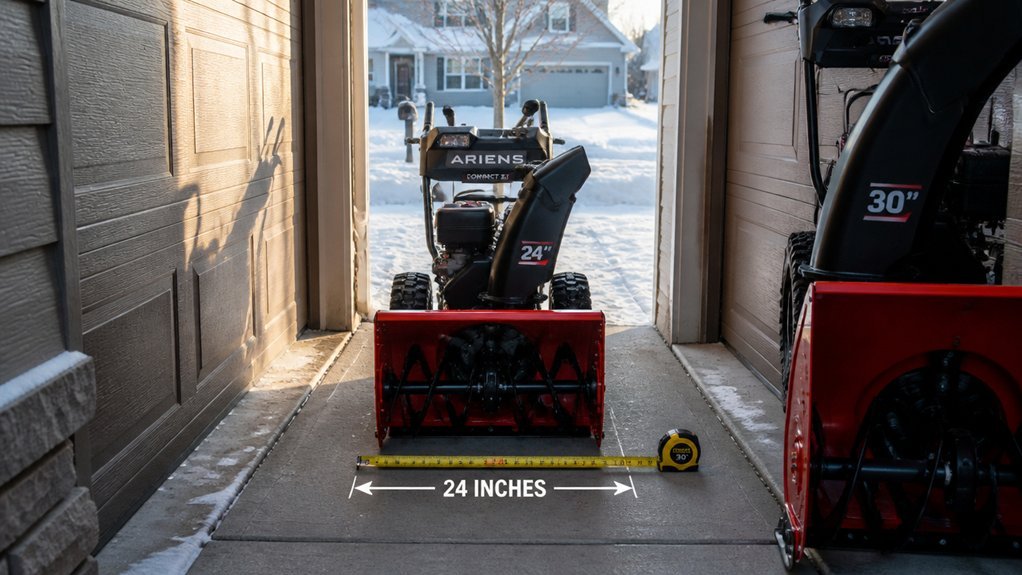
Once you’ve settled on a stage, you’ll need to size your clearing width to your specific terrain. Common clearing width options include 24, 28, and 30 inches, each balancing coverage against maneuverability. You’ll reduce passes with a wider deck, but you’ll sacrifice agility and storage convenience—critical factors in tight driveways.
For two-stage models, manufacturers offer 20- to 38-inch ranges. Match your driveway size precisely: compact driveways warrant narrower 24-inch units, while expansive surfaces demand 30+ inches for operational efficiency. The 28-inch specification frequently delivers versatile options for medium-to-large driveway size applications.
Calculate absolute minimum width requirements by accounting for tire overhang clearance—you’ll prevent scraping and mechanical obstruction. Select specifications that maximize throughput without compromising your spatial constraints or storage parameters.
Recommended Products

Powerful Snow Clearing to Save Your Back: This cordless snow blower cuts through snow up to 8" deep and 13.5" wide each pass, tossing snow up to 30FT with ±30° adjustable discharge direction. Delivering a 350lb/min clearing capacity, this electric snow shovel swiftly removes fresh snow on driveways, patios, steps and walkways. Built-in 40V high-performance motor eliminates tiresome manual shoveling all winter long.

20-Inch Clearing Capacity: Clears a 20-inch-wide path with an intake height up to 10 inches and throws snow up to 26 feet; results vary by snow conditions.
Select Gas, Battery, or Corded Power
Which power source you select determines your snow blower’s runtime ceiling, torque output, and maintenance burden. Gas engines deliver maximum torque and runtime for heavy, deep snow clearing. You’ll maintain oil levels, fuel stability, and seasonal spark plug service.
Battery-powered units offer lithium-ion interchangeability within brand ecosystems—share your voltage platform across tools. Two-stage battery configurations outperform single-stage alternatives, though you’ll monitor amp-hour ratings against cold weather voltage sag.
Corded electric restricts you to 100-foot extension cord limits, delivering continuous power without refueling but sacrificing mobility. Corded and battery options minimize decibel output and eliminate pull-start mechanics. For raw clearing force, gas dominates. For operational simplicity and reduced maintenance, electrics suffice on lighter accumulations. Match your snow blower’s power architecture to snowfall volume, property constraints, and tolerance for mechanical upkeep.
Recommended Products
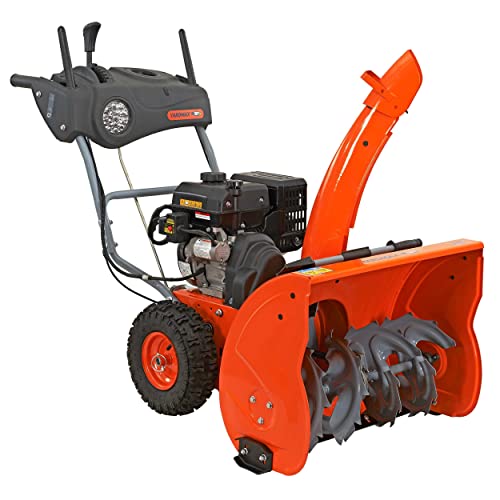
Electric start, high performance snow engine

High-Performance for Large Clearing: Equipped with a 15-amp motor that delivers gas-like power and moves up to 840 pounds of snow per minute without the noise, fumes, or maintenance
Verify Garage Fit and Hill-Climbing Traction
After selecting your power architecture, confirm the unit clears your garage door and handles your property’s elevation changes. Verify garage fit by measuring your garage door’s clear opening against the total unit height—cabbed tractors like the L4060 measure 91.1 inches, exceeding standard 82.5-inch openings.
For hill-climbing traction, match your snow blower width to slope demands and surface type. Asphalt permits narrower widths with chained 2WD and ballast; turf requires tracked systems or 4WD to prevent rutting. Larger widths reduce passes but demand proportional traction—inadequate traction causes bogging on drifts or grades.
When PTO-matching to a tractor, select a snow blower width within horsepower limits to preserve tractive effort on inclines. Spec 4WD for extreme storms; deploy chains and ballast strategically for 2WD adequacy.
Recommended Products
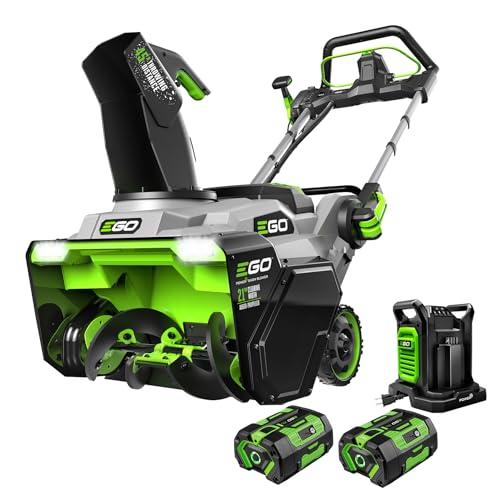
Peak Power technology combines the power of any two EGO POWER+ 56V ARC Lithium batteries
Find Your Size: Driveway Type Quick Guide
So how do you match a clearing width to your actual driveway? You measure your driveway width and select a snow blower width that clears it efficiently without excessive overlap or missed strips. For standard residential driveways, you’ll find 24″ handles narrower paths, while 28″ serve as the sweet-spot workhorse—balancing power, maneuverability, and coverage for medium to large surfaces. You step to 30″ when you’re covering very large properties with frequent heavy snowfall, though you’ll sacrifice storage space and gain bulk. You deploy a two-stage blower when your specifications demand versatility across varying snow depths; these units range 20–38″ and adapt to driveway size and seasonal conditions. You match specifications to terrain: wider reduces passes but risks traction loss on packed surfaces, narrower improves control.
Recommended Products
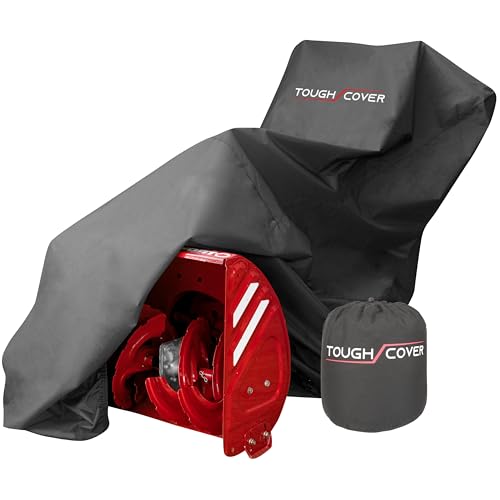
Comprehensive Protection: The Tough Cover Snow Blower Cover provides thorough defense against the elements, ensuring your equipment remains unscathed by snow, rain, and wind. Compatible with various models, this heavy duty snow blower cover waterproof outdoor solution is vital for safeguarding your outdoor machinery
Conclusion
Match your blower to your driveway’s square footage, typical snow depth, and density. Choose 18–22 inches for light snow and small areas, 20–38 inches with 20-inch intake for moderate-to-heavy accumulation, or 24–30 inches three-stage for frequent deep snow. Verify power source runtime or fuel capacity, ensure clearing width navigates your terrain and obstacles, confirm garage storage dimensions, and select appropriate traction for grade. Execute purchase.
Recommended Products
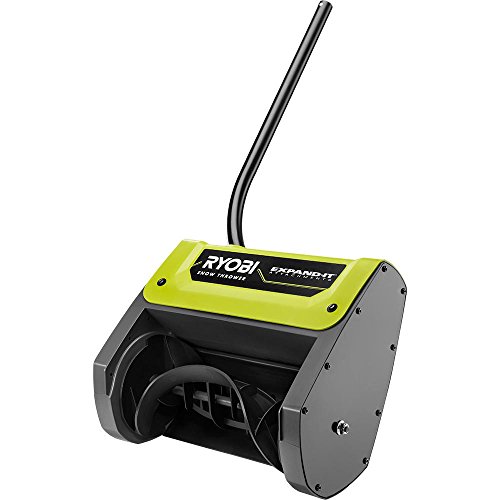
Fits Most Brands' Attachment Capable String Trimmers
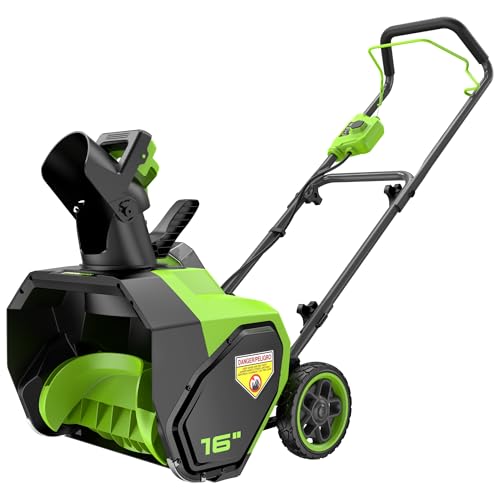
EFFORTLESS SNOW REMOVAL: Powered by Greenworks 40V li-ion technology , lightweight and powerful design can effortlessly move snow out of your way, making winter maintenance a breeze