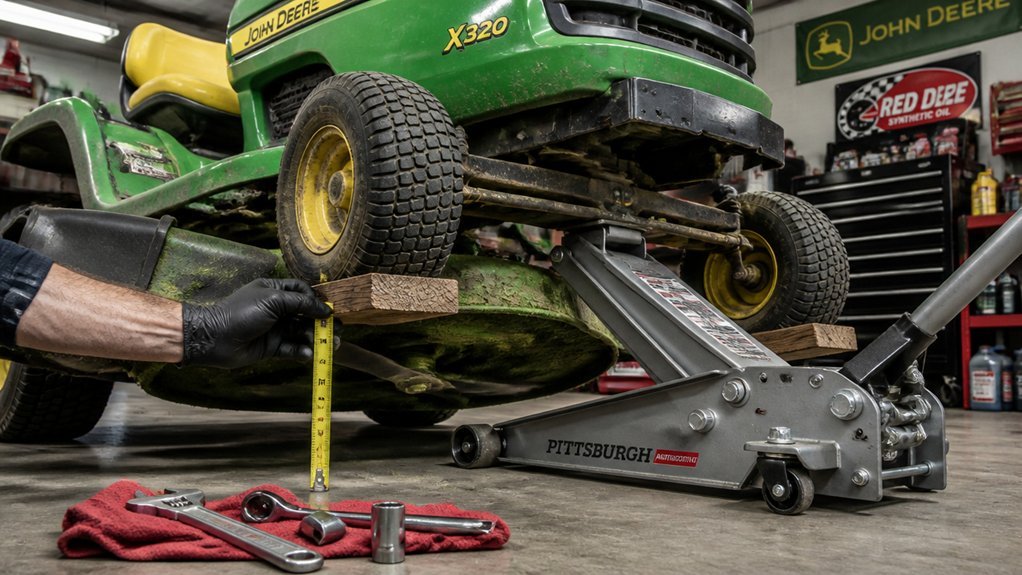

Your lawn mower’s sputtering or refusing to start often signals a carburetor choked with varnish and debris. You’ll need to diagnose whether a quick external cleaning suffices—or if full disassembly awaits. Small engines demand precision; one damaged jet or torn gasket turns a simple fix into costly repair. The method you choose depends on symptoms, fuel type, and how long the machine sat idle. Before you reach for tools, consider what’s actually happening inside that metal chamber.
Does Your Carburetor Need Cleaning? Symptoms and Quick Checks
How do you know when your carburetor’s causing trouble? You’ll notice black smoke billowing from the exhaust, indicating an overly rich air-fuel mixture. You’re likely dealing with stale fuel or varnish buildup clogging internal jets and passages when the engine won’t start or struggles to turn over.
You’ll want to inspect your air filter first—if it’s oil-soaked or dirty, you’re restricting airflow and exacerbating rich running conditions. Check your choke and throttle linkages for sticking or binding; these mechanisms must move freely to maintain proper idle and acceleration. Examine your fuel line for cracks or blockages.
During your visual inspection, look for deposits around fuel passages and the float bowl—these indicate where carburetor cleaner will need to penetrate. You’re identifying failure points before disassembly.
Recommended Products

Helps overcome: hard starting, rough idling, stalling, high exhaust emissions

Fixes rough running and hard-to-start engines: Breaks down gum and varnish that cause rough running, hard starts, sputtering, and no-start issues in small engines, helping restore performance quickly
Clean Without Removing: Fast Carburetor Fix
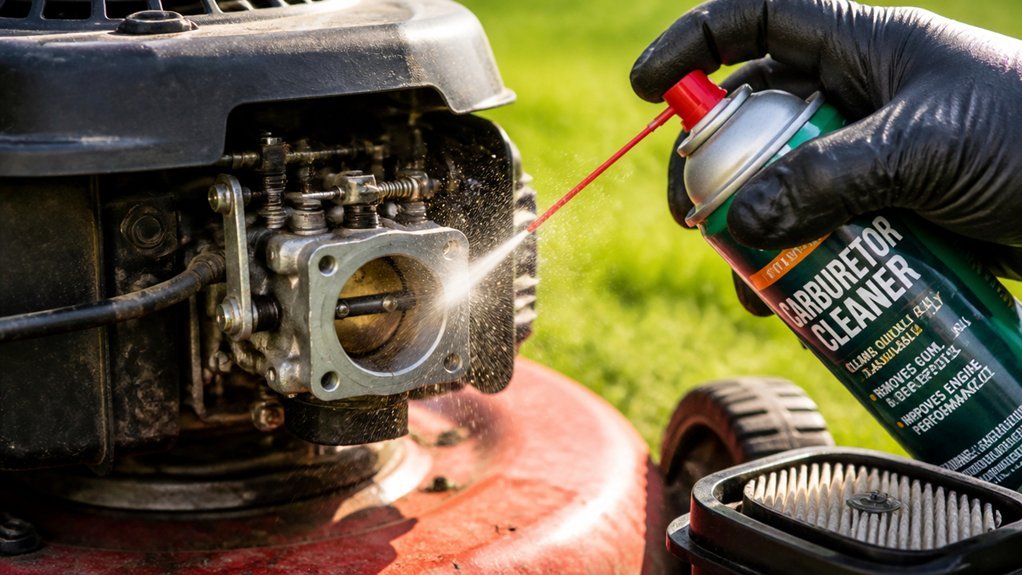
Your carburetor doesn’t always need full removal to restore performance. Remove the air filter cover and filter to expose the carb throat, then unscrew the bottom bolt to detach the float bowl. Spray dedicated carburetor cleaner into the carb throat, targeting varnish and gum deposits. Clean the carb jet and main jet with focused spraying. With the float bowl removed, direct cleaner into the pickup tube and internal passages, scrubbing gently to dislodge clogs without full disassembly. Don’t spray gasoline—use proper cleaner only. Reinstall the float bowl, filter, and cover. Reconnect the spark plug wire, then test-start to verify improved air and fuel flow. Avoid running the engine during cleaning; backfires indicate you’ve compromised the air-fuel mixture.
Recommended Products
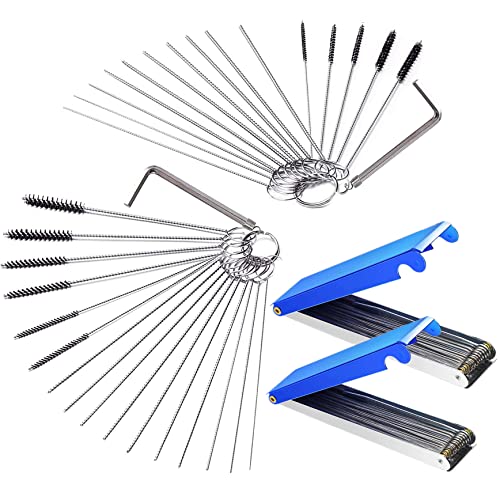
🚫 REVIVE YOUR CLOGGED ENGINES: Struggling with a lawnmower or weed eater that won’t start? Over time, old fuel leaves behind gummy ethanol deposits that choke small jets. Our professional 60-piece carburetor cleaning master kit easily clears out trapped dirt and carbon buildup, restoring your small engines to peak performance in minutes.

Make Your Work More Easy - Are you annoyed that some tight spaces cannot be cleaned up? Congratulations on finding the one you want. 5 different width Nylon Brushes + 10 different diameter Cleaning Needles + 13 different diameter Cleaning Wires can help you clean out the blockages that you can't see. You do not need to dirty your beautiful hands. This set of tools can easily help you clean up the corners that bother you.

【Material】Engineered for performance and longevity, our carburetor cleaning kit utilizes high-grade stainless steel and tough nylon. The stainless steel components offer reliable strength and are designed to maintain their integrity, while the nylon brushes effectively scrub sensitive parts without causing damage. This thoughtful material selection provides a consistent and dependable cleaning experience through repeated use on various projects.
Remove and Soak: Deep Carburetor Restoration
Detach the carburetor by removing the covering plate, linkage, hoses, and mounting clamps, then pull the float bowl to expose the internal components for thorough cleaning.
Disassemble the carburetor completely, ensuring you’ve drained all fuel beforehand. Submerge the float and removable parts in a Simple Green solution at 1:3 dilution. Soak all metal components, ensuring tiny vents and small parts remain fully submerged to dissolve varnish and gum deposits. This cleaning method penetrates stubborn buildup that surface wiping can’t address.
After soaking, rinse all parts with clean water. Allow them to air dry completely—moisture causes corrosion and malfunction. Reassemble the carburetor carefully, re-link hoses and wires, then mount it back to your lawn mower engine. Re-connect the fuel line, verify all connections, and reinstall the covering plate to complete the restoration.
Recommended Products


【Package List】New float bowl gasket kit includes 5 pieces 698781 bowl gaskets and 5 pieces seals O-ring. Consists of 10 components. Please confirm the quantity after receiving the item.

Good Material: The black carburetor float bowl gasket replacement kit is made of rubber and the red gasket is made of paper pad, which are of reliable quality and precisely matched to provide good sealing and long service life
Clear Jets and Passages: Avoid Common Damage
Why risk ruining your carburetor’s precision-engineered passages? You’re preventing jets and passages damage during carburetor cleaning when you clear jets and passages correctly.
Remove all rubber and plastic components before soaking metal parts—strong solvents degrade these materials. When blocking persists, don’t insert paperclips or drill bits; you’ll irreversibly enlarge precision orifices. Instead, thread a very small, soft wire or bent bristle through obstructed openings to dislodge debris without altering dimensions.
Attach the red straw to your cleaner spray. through every passage, and confirm complete clearance by observing cleaner spray exiting from opposite holes—this verifies unobstructed flow paths. You’re using this visual confirmation method to ensure thorough passage evacuation.
You’ll avoid common damage that ruins calibration and restores proper fuel metering through these controlled mechanical and solvent techniques.
Recommended Products

BERRYMAN CHEM-DIP 0996-ARM – Receive one (1), 96 fl oz Berryman Chem-Dip Carburetor Parts Cleaner with dip basket (MPN 0996-ARM). Professional carburetor cleaner dip designed to remove gum, varnish, fuel residue and deposits from carburetor parts, jets and throttle bodies.

Scientifically Engineered Ultrasonic Cleaner Fluid: This sonic cleaner solution removes, dirt, varnish, gums and other contaminants that deposit on carburetors, valves, and heat exchangers exterior and interior parts over time. Perfectly designed for you car carburetor cleaner, motorcycle carburetor cleaner, ultrasonic carb cleaning kit, engine components, heads, valves, seats, rockers, and more.
Reassemble and Test: Restore Fuel Flow
Precision-crafted components now demand equally careful reconstruction. Install new gaskets and reassemble the carburetor clean, ensuring all hoses, clamps, and wires match their original positions. Mount the assembly securely to the engine block.
Reconnect the fuel line and tighten the hose clamp firmly. Verify no leaks seep from connections before proceeding. Use compressed air to dry all internal passages and small holes completely. Install a fresh air filter and secure its cover to restore proper air intake.
Prime the carburetor using the choke or brief engine cranking to reestablish correct air-fuel mixture. Start the engine, running at fast idle while monitoring for smooth operation and normal exhaust. If performance falters, stop immediately and recheck wiring, connections, and seals. Reattach the spark plug wire last.
Recommended Products
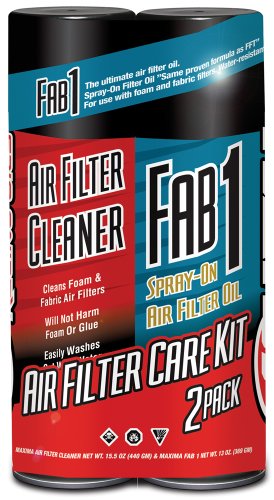
Rated #1 air filter cleaner in independent industry tests

Maximum Dust Protection: Sticky, high-tack formula traps dirt and debris to protect your engine in extreme conditions.

DESIGNED SPECIFICALLY FOR K&N AIR FILTERS
Stop Future Clogs: Fuel Stabilizers and Ethanol Tips
How do you keep a cleaned carburetor from gumming up again? You’ll prevent future problems by addressing fuel quality and storage practices.
Stale fuel degrades rapidly, forming varnish that clogs carburetor jets. Ethanol in E10 gasoline attracts water, causing moisture buildup and phase separation that deposits residue throughout fuel systems. You’ll counteract these effects by adding fuel stabilizers to every tank, especially before storage. These compounds slow oxidation, inhibit gum formation, and protect against ethanol-related corrosion.
Select a stabilizer formulated for ethanol-blended fuels. Measure precisely according to your tank capacity—overdosing wastes product; underdosing fails to protect. Top off with stabilized fuel at season start and end. This procedure maintains clean fuel passages, prevents jet obstruction, and ensures reliable starting when you return to operation.
Recommended Products
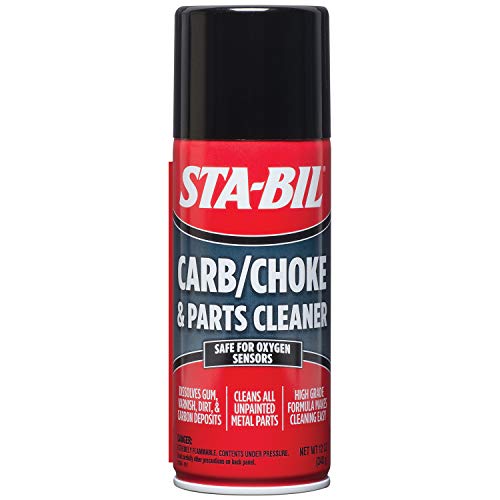
Quickly cleans and dissolves gum, varnish, dirt, lead, and carbon deposits, aiding in faster starts and smooth idling

Helps overcome: hard starting, rough idling, stalling and high exhaust emissions

DESIGNED TO EXCEED EXPECTATIONS: Red Line complete SI-1 fuel system cleaner is a premium fuel additive, providing an effective fuel treatment solution to clean and prevent corrosion in fuel systems.
Conclusion
You’ve now restored your carburetor’s fuel flow and airflow. Inspect all gaskets, seals, and hardware during reassembly; torque fasteners to manufacturer specifications. Test-start the engine, then verify throttle response and idle stability. Prevent future deposits by running ethanol-free fuel or adding stabilizer—ethanol absorbs moisture and gums passages. Store equipment with treated fuel or drained systems. Your carburetor will deliver consistent performance with proper maintenance.
Recommended Products

SET OF 4: 20 cleaning needles + 10 nylon brushes + 26 cleaning wires. Brush diameters: 2mm, 3mm, 4mm, 5mm, 7 mm. Wire sizes diameters: 0.3, 0.4, 0.5, 0.6, 0.7, 0.8, 0.9, 1.0, 1.1, 1.2, 1.3, 1.4, 1.5mm.

Package Includes: set of 6 carburetor cleaner kit, 20 cleaning needles + 10 nylon brushes + 26 cleaning wires. Brush diameters: 2mm, 3mm, 4mm, 5mm, 7 mm. Length: approx. 5.1 inches/ 130 mm.. Wire sizes diameters: 0.4, 0.5, 0.6, 0.7, 0.8, 0.9, 1.0, 1.1, 1.2, 1.3, 1.4, 1.6mm and 2 Sharp Pick

Complete Kit: This carburetor cleaning kit includes 3 double-head brushes, 32 fine jet cleaning needles, 10 nylon brushes, 4 cleaning hooks, 1 scraper, and 1 wrench. Everything you need to remove carbon buildup, dirt, and residue from jets, passages, and small engine parts without buying tools separately.