
You need to connect your generator the right way, or you’re risking electrocution, fire, and fines. Skip the dangerous extension cords running through windows. A proper transfer switch installation keeps utility linemen alive and your electronics safe. But deciding between a switch and an interlock kit isn’t straightforward—and sizing errors can destroy your generator or leave you in the dark. The wiring sequence matters more than you’d think.
Why a Transfer Switch Beats Extension Cords for Safety
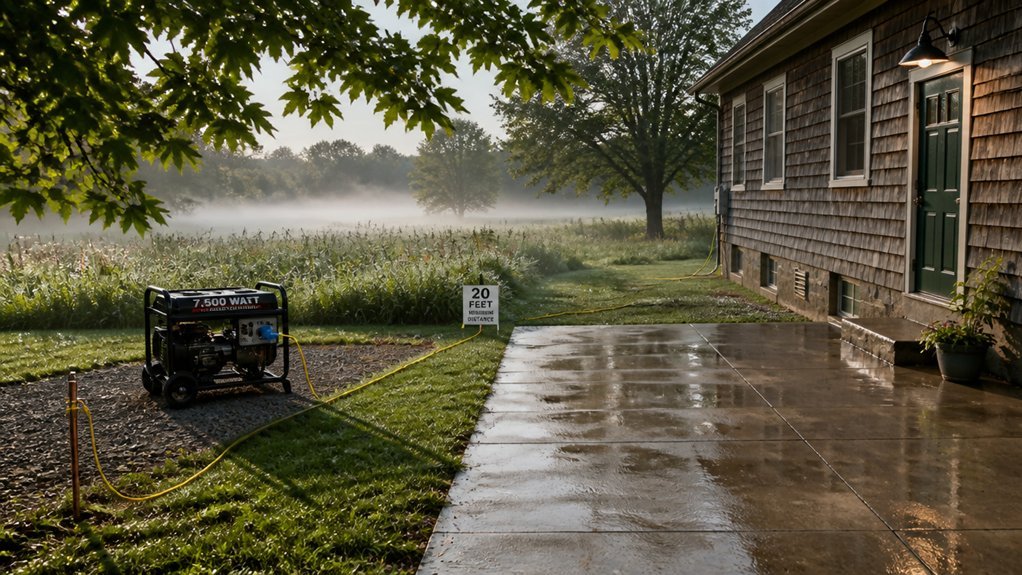
When you’re sitting in the dark during a power outage, you might grab some extension cords and start running them from your generator through a window. You’re creating multiple hazards: trip risks, fire dangers, and carbon monoxide exposure from open windows near exhaust.
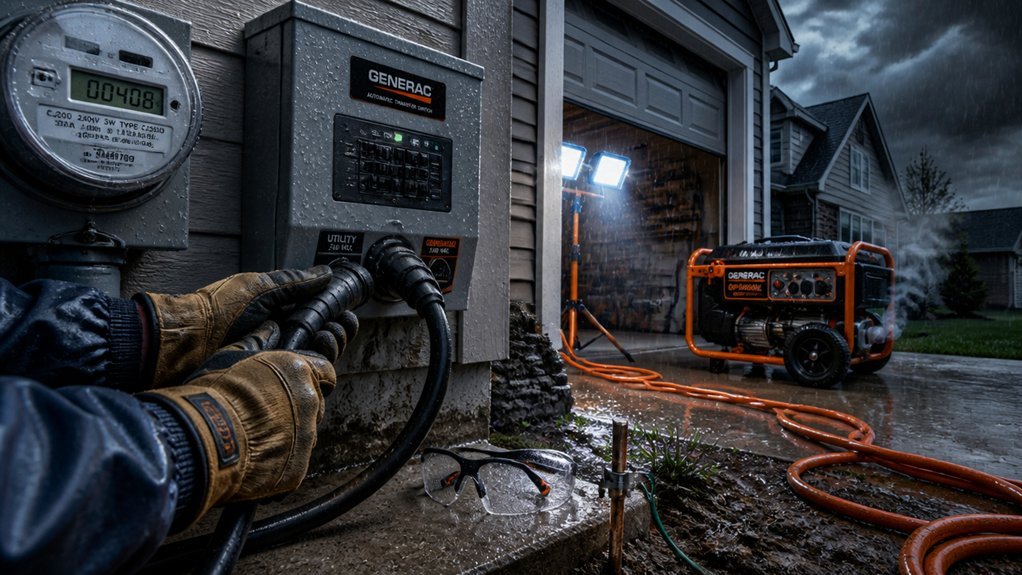
A code-compliant transfer switch eliminates these risks. It isolates your electrical panel from the utility grid, preventing backfeeding that electrocutes utility workers. You install either a manual transfer switch—flipping breakers yourself—or an automatic unit for seamless switching. An interlock kit offers a budget alternative, manually blocking your main breaker while engaging generator power.
Both approaches beat extension cords for safety. They prevent overload, ensure proper grounding, and keep windows closed for carbon monoxide prevention. You’re protecting lives and equipment while meeting NEC requirements.
Recommended Products

【100 Amp Generator Transfer Switch】This transfer switch is perfect for shifting power from the utility grid to an auxiliary source (e.g., a gas generator or solar setup). Just a quick flick of its lever guarantees seamless power management. With a max capacity of 100 amps and a 24,000 - watt power rating, it can effortlessly power your whole home, even high - demand appliances like dryers and stoves

This 100 amp generator transfer switch perfect to switch the power from the electric company to an auxiliary power (gas generator, solar). A simple movement of the transfer switch lever ensures seamless power management. With a maximum handling capacity of 100amps and a power capability of 24000W, it effortlessly powers your entire household, including high-demand appliances like dryers and stoves.

Professional Transfer Switch: This generator switch comes with a circuit breaker which can be switched directly manually, the rating is 15Amp 125V. This transfer switch can quickly and safely switch emergency power in case of sudden power outages
How to Size Your Generator for Your Home’s Electrical Load

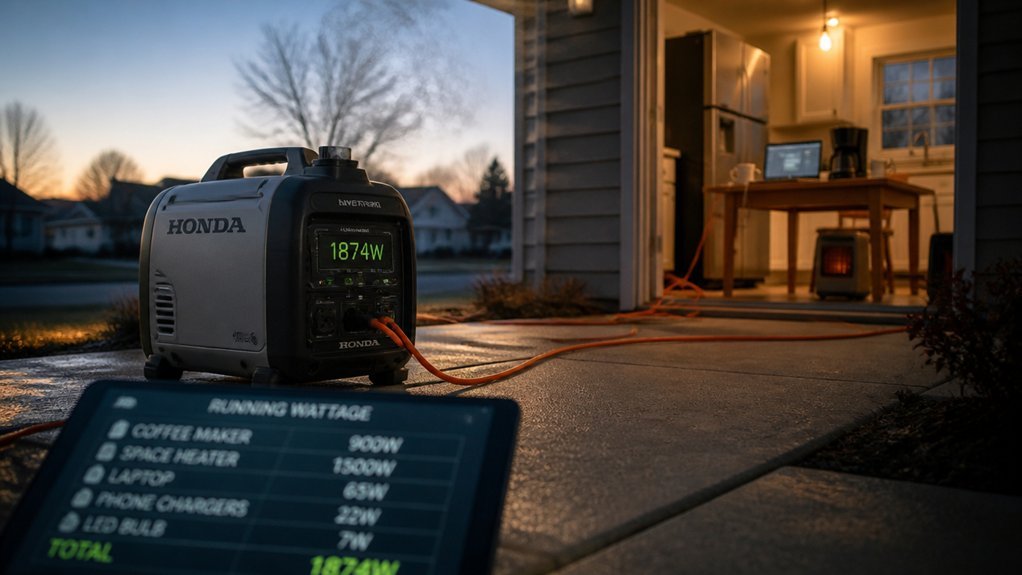
How much power does your home actually need during an outage? You’ll determine this through load calculation, identifying your essential load—the critical elements like lights, furnace, and refrigerator your home electrical system requires during an outage.
Add running watts for each device, then include 25–30% headroom for starting watts, as motors in air conditioners and well pumps demand surge power. For a typical 5,000–7,500 running watt essential load, select a generator rated 9,000–12,000 starting watts.
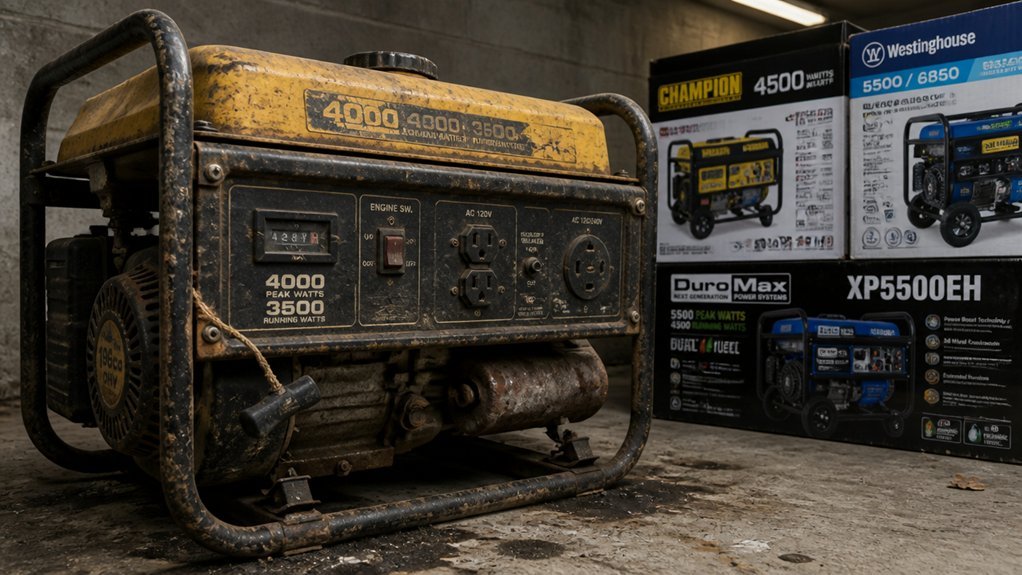
Proper generator sizing ensures your backup power won’t overload during critical moments. Size your unit to meet continuous running wattage with safety margin, then match it to a transfer-switch-ready model. Your generator connection depends on accurate sizing—undersizing risks dangerous overloads, while efficient tri-fuel or inverter options optimize fuel flexibility and maintainability.
Recommended Products
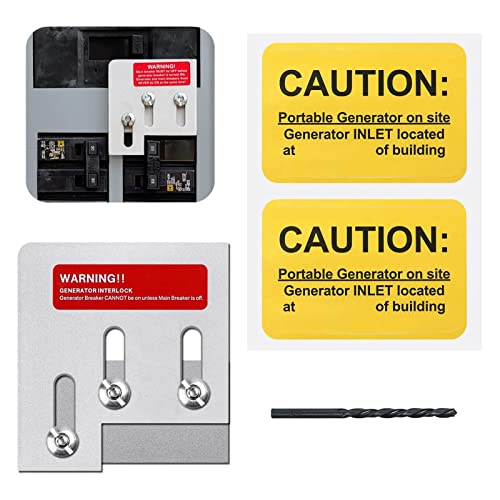
【Compatible Models】Generator Interlock Kit Compatible with Square D QO or Homeline 150 or 200 amp panels.

Safe and Reliable: Generator interlock kit for Eaton Cutler Hammer provide a safe and cost-effective way to backfeeding of your home electrical appliances by a portable generator. Ideal solution for power outages or emergency backup power to keep your home geared up and running safely.

Generator interlock kits are available for Square D QO and Homeline 150 and 200 amp panels.
Transfer Switch vs. Interlock Kit: Which to Choose?

Where should you direct your generator’s power once you’ve sized it properly? You’ll need a safe, code-compliant method to connect a generator to your house.
A manual transfer switch (MTS) isolates utility circuits from generator circuits, preventing dangerous backfeeding. It’s engineered for whole-house backup with dedicated load management. You’ll flip circuits individually or use an automatic transfer switch for seamless switching.
An interlock kit offers a budget-conscious alternative. You’ll install hardware that mechanically prevents your main breaker and generator feeder from closing simultaneously. However, you’ll manage circuits manually without precision load management.
Both solutions satisfy electrical code requirements, but an MTS delivers superior safety margins and operational clarity. Direct extension cords won’t achieve whole-house backup or protect against backfeeding hazards. Choose based on your safety priorities, budget, and desired automation level.
Recommended Products
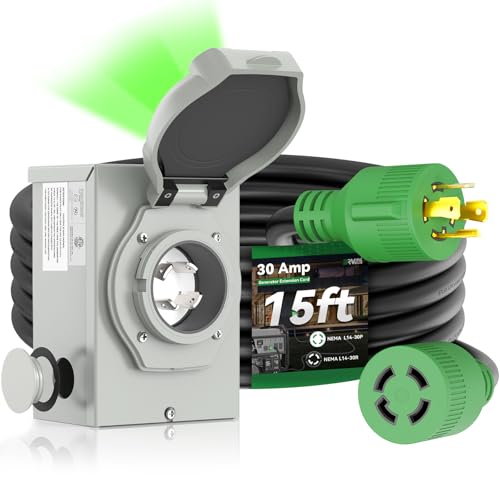
Heavy Duty 30 Amp Generator Cord: RVINGPRO 30 amp generator cord is made of 100% copper conductor with flame retardant coating and PVC jacket. Length: 15FT; Voltage: 125V/250V; Wire Gauge: 10/4 SJTW; Male Plug: NEMA 14-30P; Female Plug: NEMA L14-30R, Twist Locking Connector; Max Wattage: 7,500 Watts.

🚩【Pre-drilling Design】: RVMATE 30Amp generator inlet box is easy to remove and replace the wiring caps without using special tools (such as driller/knockout punch) or finding an electrician . RVMATE pre-drilling generator inlet box saves your time and money.

🚩【Pre-drilling Design】: RVMATE 50 Amp generator inlet box is easy to remove and replace the wiring caps without using special tools (such as driller/knockout punch) or finding an electrician . RVMATE pre-drilling generator inlet box saves your time and money.
How to Wire Your Transfer Switch and Inlet Box
Once you’ve selected your transfer switch, you’ll need to wire it to an inlet box to create a safe, code-compliant path for generator power.
Match your generator output to a 30-amp or 50-amp power inlet. You’ll install a weatherproof inlet box outside and you’ll connect it to the transfer switch using appropriately rated conductors. The transfer switch isolates your house from the utility grid and prevents dangerous backfeed into utility lines.
Before you touch any wiring, you’ll verify the main power is de-energized. You’ll follow electrical codes strictly, and you’ll have a licensed electrician verify your installation if local jurisdiction requires it. You’ll secure all conductors to protect against weather and physical damage.
You’ll complete safety testing with a voltage tester before energizing the system. You’ll confirm proper voltage at the inlet box and you’ll verify switch operation. Only then will you energize your circuits.
Recommended Products

Enclosed Motor Disconnect Switch is highly waterproof, can effectively avoid the entry of rain, dust, high temperature resistance, corrosion resistance, can be used indoors and outdoors

This is the original, authentic, and patented EZ Generator Switch

Rugged Metal Case, Pull-out Switch, 240VAC, 60A, 1- Phase, 3-Wire, 2-Pole, Protection Class, Type 3R, for Outdoor Use, UL Certified for Safety
Start Up, Manage Loads, and Shut Down Your Generator
Although you’ve completed the installation, you’re not ready for power until you run through your pre-start checklist. Verify all wiring connections to your transfer switch, confirm weather protections are in place, and check oil and fuel levels. Set the choke as required by your manufacturer’s startup procedure.
When connecting your generator, start the unit and let it stabilize before engaging the transfer switch. Manual transfer switches let you select circuits matching your power needs, preventing overloads on your electrical system. Monitor voltage and frequency throughout operation to ensure safe home backup performance.
For shut down and storage, switch the transfer switch back to utility power first. Shut off the generator, allow it to cool, then disconnect from the inlet box. Store in a dry location per manufacturer guidelines, maintaining compliance with local codes and safety precautions.
Recommended Products

Easy&Efficient Transfer Switch: The 100A manual transfer switch allowing seamlessly transfers power from the electric company to auxiliary power(gas generator, solar) with a simple movement of transfer switch lever; With a maximum handling capacity of 100A, a power capability of 24,000W, a commonly used voltage of 120/240V AC, the manual generator transfer switch effortlessly powers entire household and circuits like dryers, stoves and HAVC equipment during an emergency


10-Circuit 50-Amp Capacity: Easily power your entire household essentials during power outages with this 50-amp manual transfer switch supporting up to 10 individual circuits. Compatible with generators up to 12500W, this kit handles high-demand appliances like well pumps, refrigerators, and HVAC systems. Flip the double-throw switch to transition from utility to backup power.
Conclusion
You’ve got to prioritize safety when connecting a generator to your house. Install a transfer switch or interlock kit to eliminate backfeed hazards, properly size your system for your electrical load, and use weather-rated inlet boxes with correct gauge wiring. Always de-energize utility power before any installation. Start your generator, let it stabilize, then transfer loads methodically. Monitor your generator’s capacity continuously, and never bypass established electrical codes. Your compliance protects lineworkers and your property.
Recommended Products

Compatible Models: Generator interlock kit compatible with Siemens/Murray 100 Amp panels

【Compatible Models】Generator Interlock Kit Compatible with GE 100 Amp Panels.

【UL Tested】CZNZN square d generator interlock kit has already passed the UL test and got the test report, the manual transfer switch device allow portable generator safe back feeding power supply to distribution panel and home line. Prevent utility and generator supplies from being ON at the same time. Aren't putting electrician in dangerous and damage electric devices during power outages