
You’ll begin by selecting either a sharp flat spade or a half-moon edger—your choice depends on soil density and edge curvature. Once you’ve mapped the boundary with a hose or straight guide and let it sit overnight for evaluation, you’ll cut 4–6 inches into the sod, angle your trench at 45 degrees, and keep mulch exclusively on the beds. The real challenge isn’t the initial cut; it’s maintaining that crisp separation through seasonal shifts and growth cycles without letting your edge dissolve into the surrounding turf.
Why Edge Your Lawn?
Why exactly does a crisp lawn edge matter for your maintenance routine? A sharp lawn edge establishes a defined boundary that physically blocks turf encroachment. When you cut a clean V-shaped trench between grass and adjacent features, you’re creating a no-grow zone that halts rhizome spread into planting beds. This barrier keeps maintenance precise—you’ll mow faster when grass stays contained. Your equipment works more efficiently against a hard line; string trimmers and edgers follow the trench without ambiguity. Regular cutting, paired with weekly mowing, prevents soil from filling the gap and preserves that crisp separation. You’ll spend less time hand-pulling invaders from vegetable plots and perennial borders. The result? Distinct transitions between turf and hardscape, measurable time savings, and equipment that performs predictably against a maintained reference point. That’s precision you can replicate weekly.
Recommended Products

Ideal Garden Edger: BlumeTrec lawn edger tool is designed to create crisp, clean edges along sidewalks, driveways, patios, walkways, and garden borders. Garden edger trims grass around flower beds, lawns, and landscaping areas with precision. The reinforced half-moon blade easily penetrates soil for smooth, controlled edging, allowing homeowners to maintain neat yard lines, define garden borders, and install plastic edging with ease, making everyday yard care simpler and more effective.

IDEAL FOR EDGING WALKWAY AND GARDEN -- easy to use and make your yard lines Neat, Trim, and Tidy. Create deep, clean borders along sidewalks, driveways, patios, gardens, and grass lawns. Also useful for installing plastic edging. This manual edger lawn tool is planet-friendly and low-maintenance.

Faster, Cleaner Lawn Edging,No More Messy Borders: This manual lawn edger tool features a razor-sharp saw-tooth blade, making it the perfect edging tool for landscaping. Whether you need to edge driveways, sidewalks, patios, or flower beds, this half-moon edger lawn tool delivers smooth, clean cuts every time,no more jagged or uneven lines!
Where to Edge (and Where It Damages Trees)
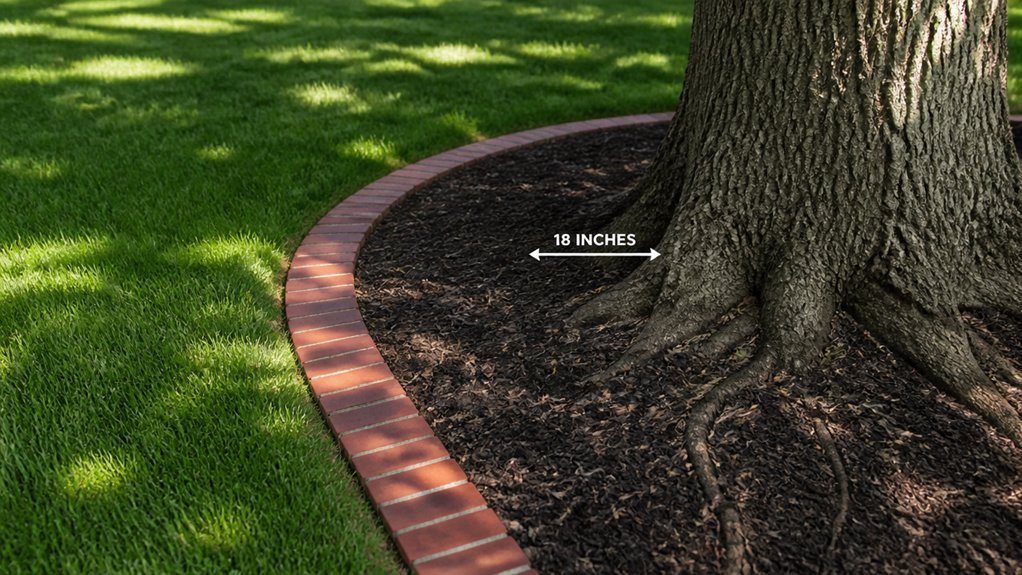
Where exactly should you cut your edge to get maintenance value without creating costly damage? You edge where turf meets open soil, beds, or fences. This creates a distinct no-grow zone and stops grass from creeping into planting beds, vegetable gardens, and mulched playground borders. You use a cut lawn edge to define boundaries and block encroachment.
Do not edge around trees. Cutting a thin layer too close to trunks severs surface roots and compromises tree health and stability. In Lawn Care, root protection takes priority over cosmetic borders.
For straight edges, you position a 2×4 board or PVC pipe as a guide.
For curves, you mark outlines with a garden hose before cutting.
You refresh edges in spring and every two months during growing season to maintain clean boundaries and prevent grass encroachment.
Recommended Products

Saw-Tooth Design: Teeth line the bottom of the curved, half-moon blade. The teeth bite and cut through grass, roots, and soil rather than just pushing down like a straight blade;Slices cleanly through dense turf, tough grass, and stubborn roots with less effort
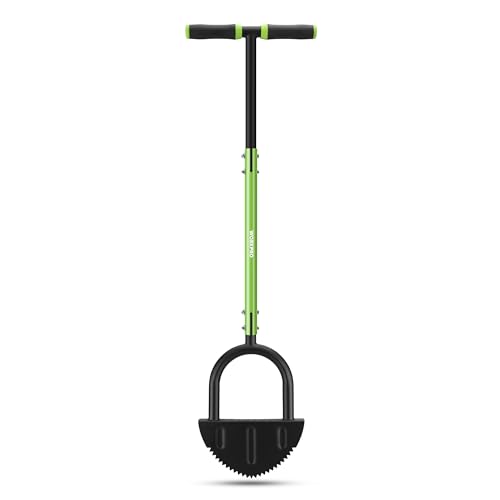
VERSATILE MULTI-PURPOSE TOOL: This lawn edger is perfect for a wide range of landscaping tasks, including edging sidewalks, cutting grass, trimming flower beds, trenching, and transplanting plants. Whether you're a home gardener or a professional landscaper, this tool is designed to create clean, deep, and even borders around your outdoor spaces, ensuring a polished, professional look

Sturdy One-Piece Construction: No assembly required, this hand edger is incredibly sturdy and built to withstand heavy use without bending or breaking, providing a convenient and long-lasting solution for lawn care
Choose Your Tool: Spade vs. Half-Moon Edger
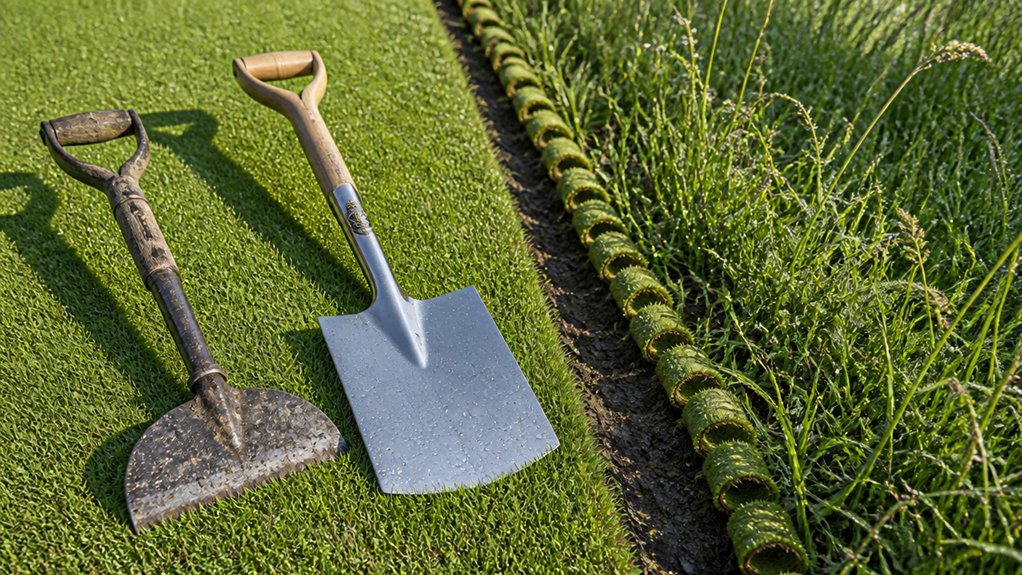
You have marked your boundaries and avoided surface roots; now you select the cutting tool that matches your edge geometry.
A flat spade cuts a wider, straighter trench, making it ideal for linear edges. Its blade drives 4–6 inches deep into sod during cutting operations, excavating material efficiently. You’ll find it effective for removing bulk soil and establishing straight V-shaped trenches.
A half-moon edger specializes in narrow, precise vertical cuts. Its curved blade follows contours with minimal soil disturbance, delivering crisper edges along beds and borders. You’ll achieve cleaner definition with less rework, particularly where geometry demands accuracy.
Both tools form 4–6 inch deep V-shaped trenches. For Step 4, skim additional soil with either tool based on your comfort level and desired sharpness. Maintain blade condition; a sharp edge reduces effort and prevents ragged cuts that compromise edge integrity.
Recommended Products

Tempered Spring Steel Blade for Precise Edging: The CKLT Edger Lawn Tool features a high-quality serrated spring steel blade, setting it apart from conventional tools. Known for its exceptional strength and flexibility, spring steel resists deformation and maintains its sharpness even under challenging conditions
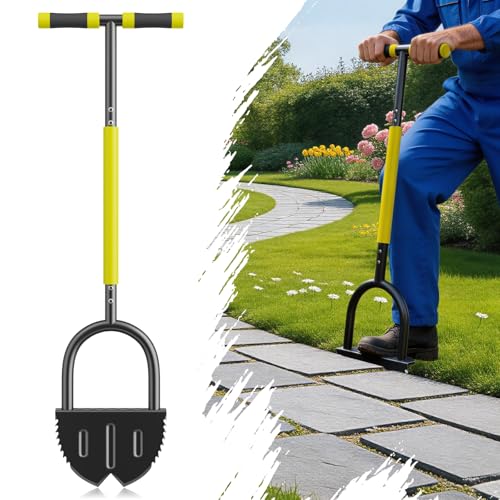
【Professional Edger Lawn Tool】The garden edger tool for landscaping features a high-carbon stainless steel double V-shaped serrated spring steel blade. The edger chopper is easier to cut through hard soil, grass roots, and turf compared to a flat shovel. This landscape edger tool is equipped with one-step cutting technology, with double V-shaped blades and a foot lever, saving more than 50% of effort. It works for both straight sidewalk lines and curved flower bed borders
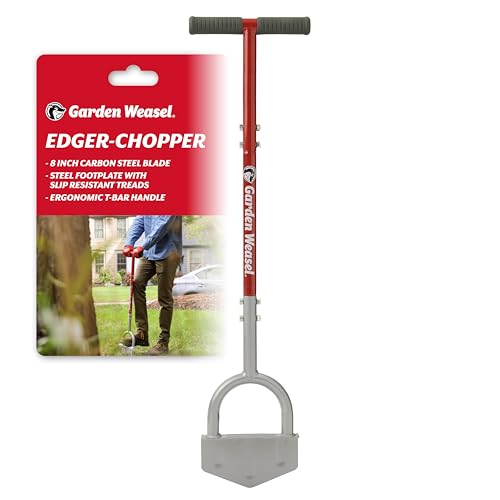
Crisp, Clean Edges - Create sharp defined borders along flower beds, driveways, and walkways using this manual lawn edger tool for a pro-level finish without gas or gadgets
Step 1: Map Your Edge With a Hose or Board
Defining the edge geometry comes before any blade meets soil. You’ll map your edge using flexible materials that conform to your design intent.
For curved borders, lay a garden hose along your proposed line. Adjust its position until you achieve flowing, natural curves that match cottage-style aesthetics. Step back frequently to assess the overall composition from multiple angles.
For straight edges, employ a 2×4 board or PVC pipe as a rigid straightedge. This equipment ensures your lines remain true, supporting modern, minimalist landscape designs. You’ll prevent layout drift by working against this fixed reference.
Leave your hose or board in place overnight. Return with fresh perspective to evaluate and adjust as needed. This visible guide eliminates guesswork during subsequent cutting operations, ensuring your edge trench follows the precise geometry you’ve established.
Recommended Products

[Compact Storage and Easy Maneuvering] Designed for modern living, the innovative shaft folds 180° in three ways for vertical storage in tight corners, apartments, or crowded garages and it’s highly space saving. Featuring a 90° adjustable head and 180° rotatable handle, you can effortlessly tackle slopes, under-bench areas, and hard-to-reach corners, making a uniformly tidy garden
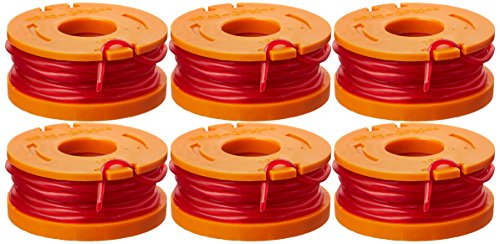
HIGH-PERFORMANCE LINE: DNA2 DoubleHelix cutting line has a unique aerodynamic shape for reduced drag and a sharper edge for trimming and edging.

Convertible Design: The removable wheeled deck allows quick transformation into a small lawn mower for versatile yard care
Step 2: Cut 4–6 Inches Into the Sod
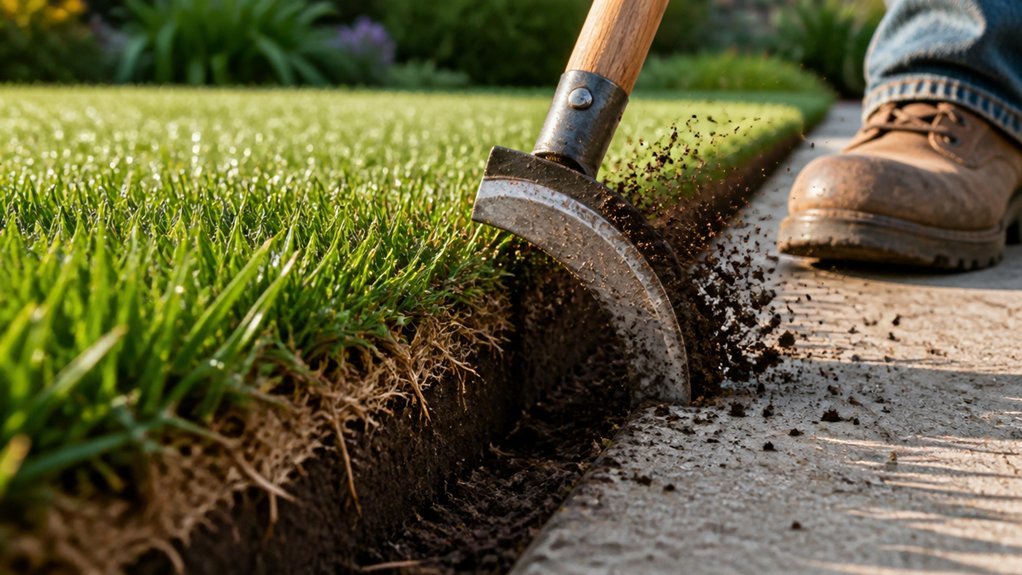
Once your hose or board has defined the geometry, pick up a sharp flat spade or half-moon edger to execute the first cut. Drive the blade vertically into the sod at a depth of 4–6 inches, maintaining this measurement consistently along the entire edge. Apply steady, controlled pressure to avoid ragged cuts or depth variations. You’ll feel the resistance release as the blade severs the root mass.
This cut establishes the initial separation between turf and edging zone, creating the foundational plane for a clean, uniform edge. Work your way along the marked line, ensuring each thrust achieves the target depth. Inspect your progress frequently; deviations compromise the final trench geometry. Remove the severed turf and soil promptly to expose the incised profile. This prepared edge now awaits final refinement, with the cut surface providing the structural base for the subsequent trench formation in Step 3.
Recommended Products

Natural Wooden Garden Border Design: This wooden garden border features a unique burnt wood finish that adds rustic charm and warmth to your outdoor space. Perfect as decorative garden fence edging for flower beds, walkways, and landscaping accents.

𝐅𝐥𝐞𝐱𝐢𝐛𝐥𝐞 & 𝐄𝐚𝐬𝐲 𝐭𝐨 𝐈𝐧𝐬𝐭𝐚𝐥𝐥: Each panel measures 40" (L) × 5" (H), including 3" underground stakes for strong anchoring, leaving 2" visible above ground for a clean, low-profile border. The hammer-in design makes installation fast and effortless—perfect for creating neat, professional-looking edges without digging.

SHIPMENT CONTAINS: One 5 inch x 40 foot brown flexible landscape edging coil with 10 matching stakes for securing garden borders
Step 3: Dig the V-Shaped Trench
After establishing the initial vertical cut, you’ll angle the spade or edger backward at approximately 45 degrees to excavate the soil and create the V-shaped profile. Remove turf and soil to achieve a uniform 4–6 inch depth. Work methodically along the edge, maintaining consistent angles for structural integrity.
You’ll consolidate the edge below ground level, forming a defined transition between lawn and adjacent areas. This subsurface barrier prevents rhizome penetration and maintains boundary clarity long-term. Monitor depth with a tape measure; deviations compromise maintenance efficiency.
The resulting V-trench establishes a sharp, permanent division. Avoid over-widening—you’ll erode the structural capacity of the trench walls. Once you’ve achieved uniform depth and profile, you’ll smooth and adjust the soil contour within the trench to prepare for the subsequent finish work.
Recommended Products

SIZE & WEIGHT - The spade shovel measures 7.5x2x43 inches (LxWxH) and weighs 4.5 lbs

Manual Lawn Edger for Clean Garden Borders: A quiet and environmentally friendly alternative to gas-powered edging tools. Ideal for defining lawn edges, maintaining garden beds, and keeping landscaping borders neat without fuel, noise, or emissions.
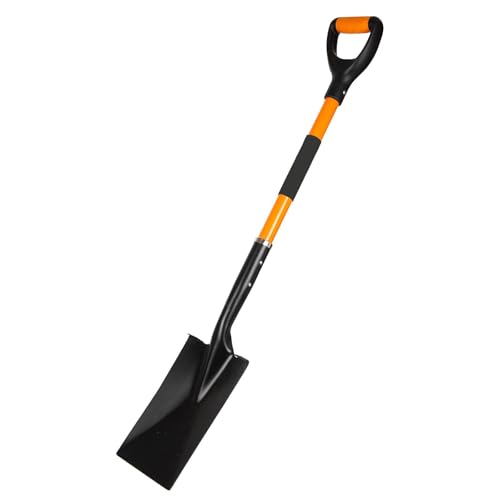
ERGONOMIC DESIGN: D-shaped handle with comfortable grip provides excellent control and reduces strain during extended use. Heavy duty, ergonomic shovel suitable for a variety of gardening tasks like cutting through turf and grass, digging and turning in tough soil, and more to encourage overall garden health and appearance. The distinctive orange handle not only adds a touch of style but also makes the tool easily visible in your garden or tool shed
Step 4: Mulch Without Filling the Trench
Where should the mulch go once you’ve cut that clean V-trench? Spread it only across the bed area, not into the trench itself. Maintain that 4–6 inch V-cut as a visible barrier; keep it clear.
You’ll apply a 2-inch layer of shredded bark, pine needles, cocoa hulls, compost, or finely shredded grass clippings across the planting bed. Don’t allow material to spill into the trench. Maintain trench visibility to preserve the edge definition between lawn and bed.
Mulch suppresses weeds and retains moisture, but filling the trench obscures your cut and defeats the edging purpose. When refreshing, redistribute displaced material back onto the bed. This preserves the sharp boundary your equipment created. You’ll maintain this separation through proper application technique.
Recommended Products

Precise Edging with Lawn Edger: The Trydream Lawn Edger Tool features a sharp V-serrated blade for effortless mowing and creating neat lines, making it an essential lawn tool for professionals and gardening enthusiasts alike. This edger lawn tool ensures precise edging that enhances the overall appearance of your yard.

HALF MOON EDGER LAWN TOOL -- our half moon edger can easily trim grass to create tidy lines. Cuts trenches and creates clean, deep lawn edges along sidewalks, driveways, patios, gardens, and grass lawns.
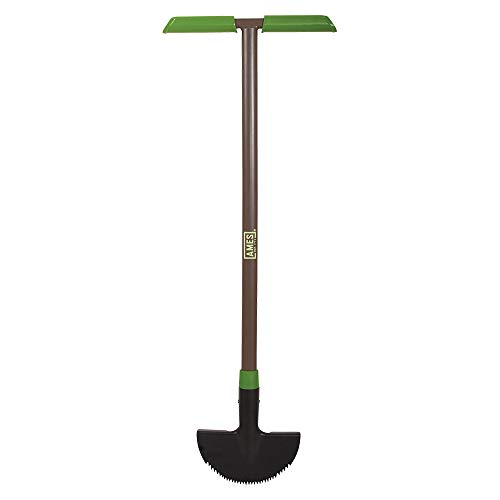
LANDSCAPING EDGER: Cuts trenches and creates clean, finished lawn edges along driveways, lawns and sidewalks
Maintain Your Edge: How Often to Recut
How often should you run your edger to keep that trench crisp? Recut in spring, then every two months through the growing season. This schedule maintains a consistent 4–6 inch deep trench and a sharp V-shaped profile between turf and beds.
After each pass, you’ll clear debris and stray clippings immediately. Don’t let soil accumulate; it’ll blur your edge and undo your precision work.
Weather and growth disrupt even the best schedule. You’ll need to refresh the edge after heavy rainfall or aggressive weed growth to restore that clean line.
Annually, recheck the edge width and contour. If the lawn grows unevenly near the border, adjust your mower height to preserve the trench’s geometry. Your edger’s effectiveness depends on this disciplined maintenance cycle.
Recommended Products
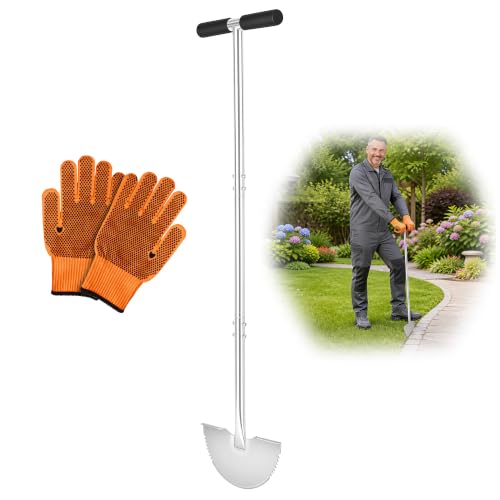
T-Handle Ergonomic Design: The edger lawn tool has a comfortable T-grip and 38 inch long handle without bending back when you remove weeds. Lawn edger tool is perfect for reducing stress on your hands when you remove grass, soil and so on.
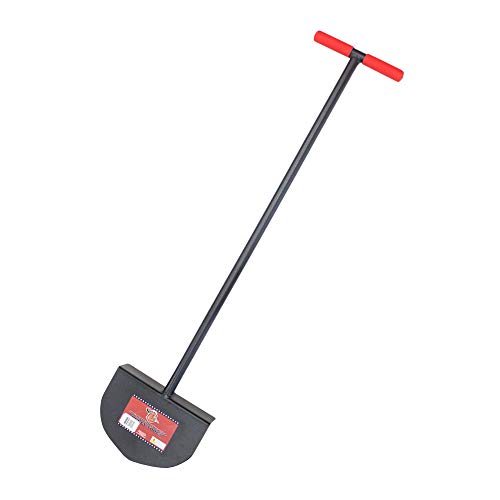
HEAVY DUTY MANUAL LAWN EDGER FOR DEFINED EDGES, SOD CUTTING, AND TRENCHING: This 12-gauge round lawn edger is purpose-built for creating neat, defined edges along sidewalks, garden beds, driveways, and patios; ideal edging tool for landscaping, sod cutting, trench digging, and grass trimming - a commercial grade yard tool delivering professional-grade performance for both seasoned landscapers and home gardeners

Upgraded Half Moon Edger: Equipped with dual saw‑tooth blade, this lawn edger tool cuts grass, thin roots and loose soil smoothly. The 6‑inch deep cutting head delivers clean and straight borders for lawn, garden bed and sidewalk landscaping. Moisten dry lawn soil in advance for easier edging
Skip Digging: Stone, Steel, or Vinyl Barriers
A sharp trench isn’t your only option. Skip digging and install a barrier to define your edge. Cast stone, natural stone, steel, vinyl, or rubber materials create a low-maintenance border that prevents grass encroachment without demanding deep trenches or frequent recutting.
Choose cast stone or steel bullet edgers for rigid, mower-resistant boundaries that withstand weathering. Select vinyl or rubber barriers for flexible, lightweight installation that still blocks turf spread into mulched beds or open soil.
Set your barrier flush with the soil surface during install. Maintain the edge by clearing accumulated debris and checking alignment seasonally. Verify that shifting ground hasn’t tilted or lifted sections. Proper barrier selection and periodic inspection eliminate intensive edging while preserving clean lawn-to-bed separation.
Recommended Products
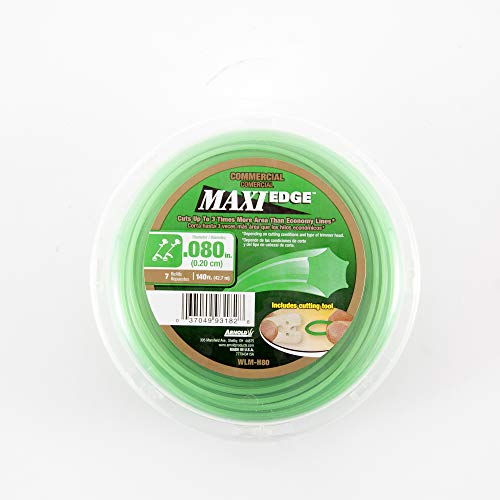
Maxi Edge .080" Trimmer Line

2 IN 1 TRIMMER & EDGER : Easily converts from a string trimmer to an edger lawn tool in just seconds.

High cutting efficiency – Magnum Gatorline allows you to get cleaner, straighter cuts with less effort than traditional trimmer line
Conclusion
You’ve mapped your edge, cut your sod, and opened that V-shaped trench. Now maintain it: recut seasonally with your spade or half-moon edger, keeping the angle at 45 degrees and the depth at 4–6 inches. Skip the labor entirely if you install steel, stone, or vinyl barriers—just align them precisely during placement. Either way, keep mulch out of your trench; that’s your maintenance access, not your bed. Your equipment choice determines your effort level.
Recommended Products

Quality Metal Material: Our galvanized garden edge is processed using high-precision CNC technology, ensuring accuracy down to every millimeter. Innovative 3D ripple design not only enhances the aesthetic appeal of the fence but also strengthens its structural integrity.
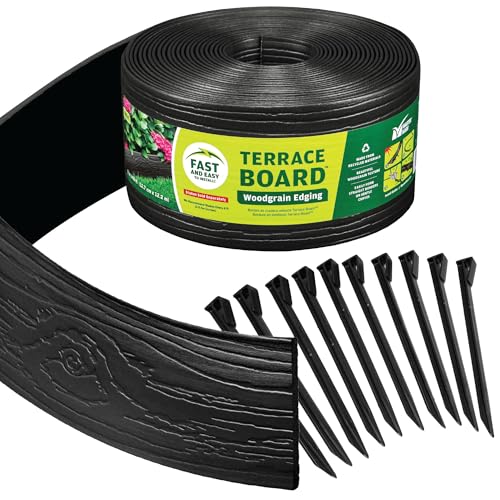
CREATE A CAPTIVATING SPACE – Unlike many other options, Master Mark Terrace Board Edging provides a textured, wood grained look to your landscape edging making borders around planting beds and walking paths and creating raised layers of mulch, rock or soil. This edging creates depth and elegance for your perfect yard.

Durable Metal Construction: SnugNiture garden edging is made of high-quality metal materials. It is strong and durable, capable of withstanding outdoor sunlight, rain, and snow. Thus, it has a long service life.