
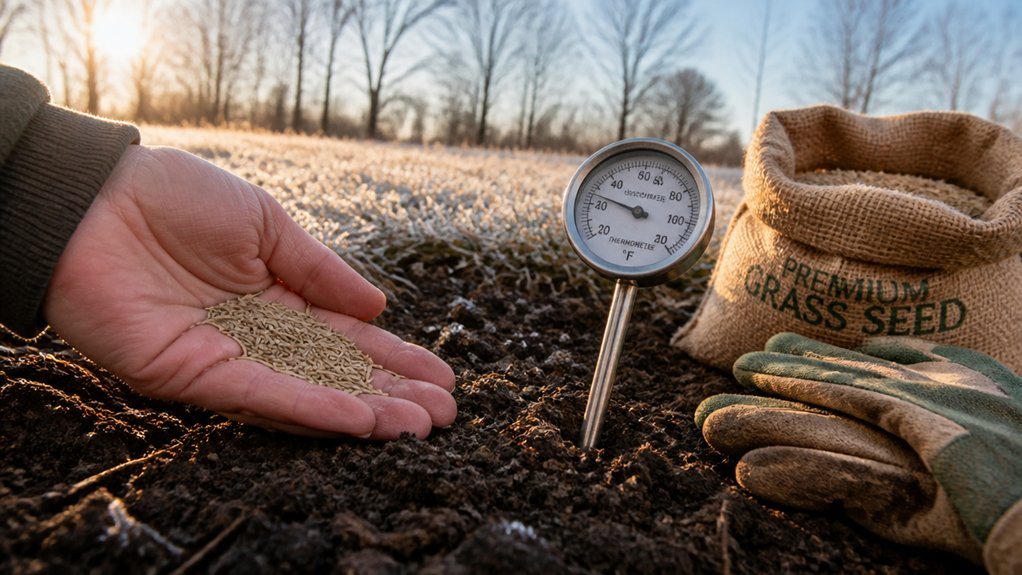
You need to plant grass seed at precisely the right moment, or you’ll waste time, money, and effort. Soil temperature—not air temperature—determines success, and windows vary dramatically by grass type and region. Cool-season lawns demand different timing than warm-season varieties, and missing your window by even a few weeks can mean failure. The consequences of poor timing extend well beyond germination.
When to Plant Grass Seed: A Quick-Start Guide
Whether you’re establishing a new lawn or renovating an existing one, timing your grass seed planting determines long-term success. You’ll plant cool-season grasses during late summer to early autumn—typically mid-August through mid-October—when soil moisture and ambient conditions optimize establishment. If you’ve missed this window, you’ll execute dormant seeding by early November in the Twin Cities, earlier in northern Minnesota.
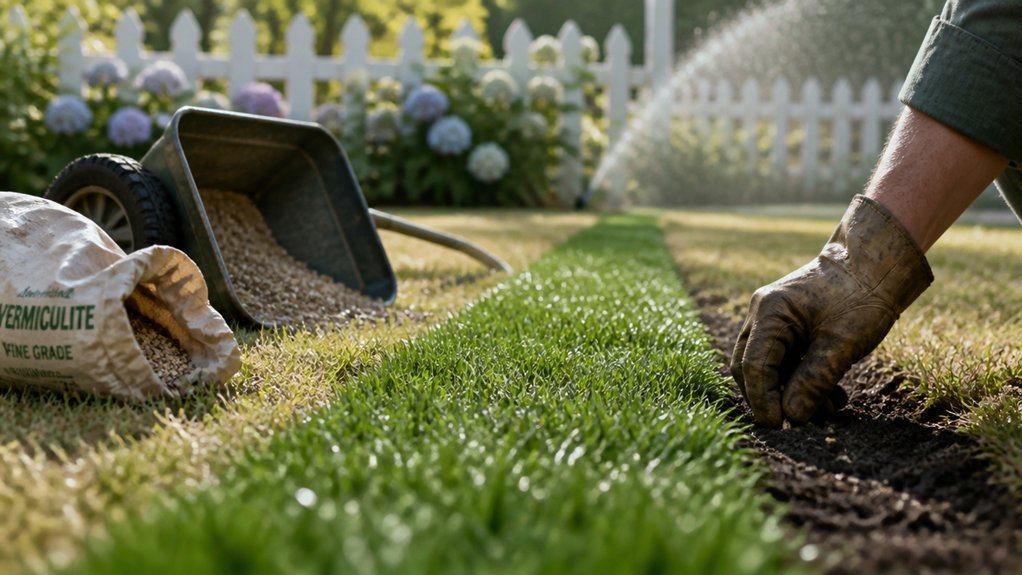
You’ll achieve proper seed-to-soil contact by loosening the top 1/2 inch of soil and eliminating debris before sowing. You’re targeting bare soil signs wherever turf has thinned or failed.
You’ll apply seed mixes containing Kentucky bluegrass, fine fescue, and perennial ryegrass at 3–4 pounds per 1,000 square feet. You’ll maintain consistently damp, never saturated, soil post-sowing. You’ll observe germination time of 7–21 days under favorable conditions.
Recommended Products

Monitor soil temperature for healthy seeding, planting and gardening
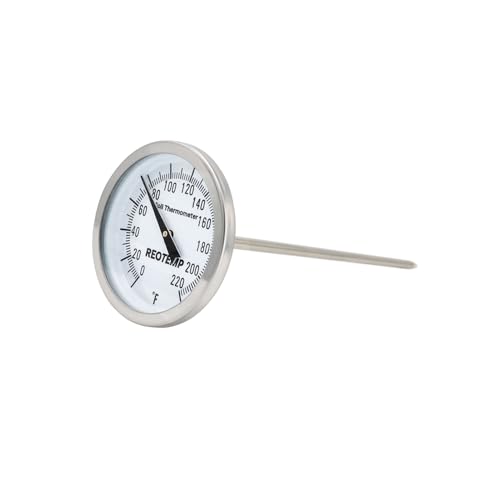
Corrosion Resistant 304 Stainless Steel Case, Bezel and 5" Stem

Easy-to-read green, yellow, and red tick marks for easy monitoring
Soil Temperatures Ready for Planting Grass Seed
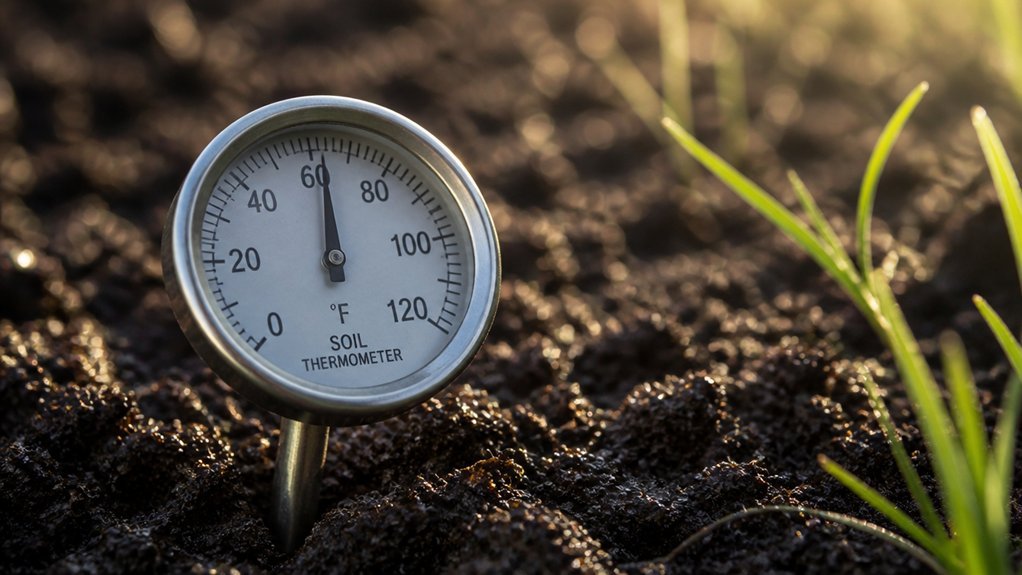
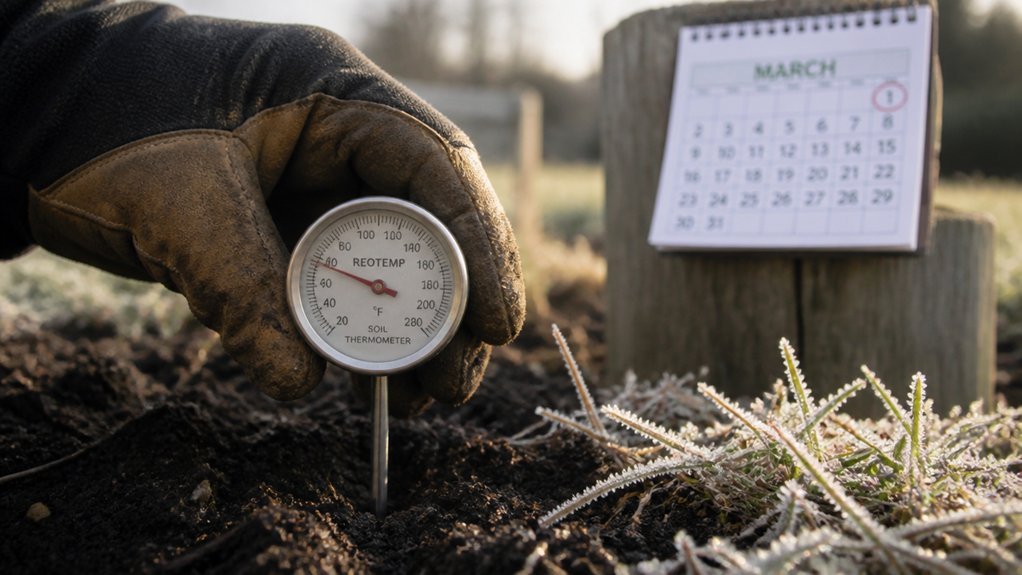
You’ll determine planting readiness by monitoring soil temperature, not calendar dates. Cool-season grasses germinate best when soil temperatures reach 60–70°F, while warm-season varieties require 65–75°F. In many cool-season regions, April often marks suitable soil warmth for planting. You’ll validate soil temperatures using a soil thermometer at 2–4 inch depth across multiple garden locations.
You’re optimizing seed germination by aligning seed type with regional soil warmth. Planting time depends on sustained conditions—aim for consistent warm days for at least one week. Soil warming serves as the critical indicator for optimal germination and establishment. You’ll avoid premature planting when soil temperatures fluctuate below thresholds, as this compromises establishment success. Monitor daily; microclimates create localized variations requiring site-specific assessment.
Recommended Products
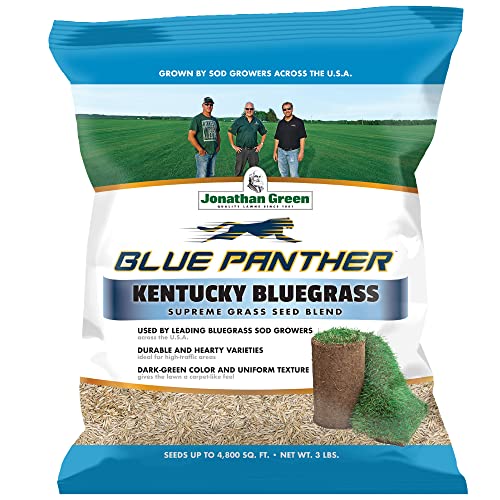
100% KENTUCKY BLUEGRASS GRASS SEED - Use our Blue Panther Kentucky Bluegrass Grass Seed when you want to keep a 100% KBG lawn or introduce KBG into an existing lawn. These bluegrasses are grown by leading sod growers across the USA.
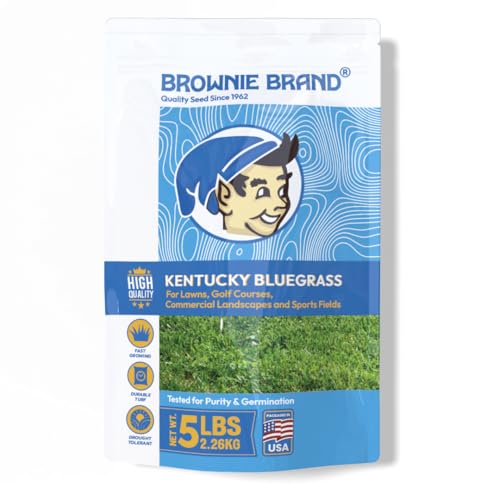
Brownie Brand Blue Devil Kentucky Bluegrass Seed produces a dense, lush, and vibrant green lawn with a fine leaf texture. This premium cool-season lawn seed delivers long-lasting beauty and performance, making it the perfect choice for new lawns, overseeding, or repairing bare spots

STRONGER LAWN FROM THE ROOTS UP: Kentucky Bluegrass seed with our Root-Building Nutrition, a combination of expertly crafted ingredients, helps establish deep roots to grow a thick, green lawn
Cool-Season Grass: When to Plant by Region

Where exactly should you plant cool-season grass? You’ll follow regional guidelines that vary by climate zone.
In the Northeast, Midwest, and Northwest, you’ll typically sow by mid-April when daily temperatures stabilize at 60°F+. The Mid-Atlantic allows earlier installation—you’ll plant by mid-March as soil temperature rises, though southern extents favor warm-season alternatives. In California’s transition zones, you’ll begin by mid-March in temperate coastal areas.
You’ll achieve optimal germination temperature when soil readings reach 60–70°F. Spring planting presents greater challenges than autumn sowing; you’ll encounter inconsistent moisture and competing weeds. Late summer through early autumn remains your superior window for establishment. Monitor soil temperature precisely—don’t rely on air readings alone. You’ll maximize success by aligning sowing dates with sustained thermal conditions, not calendar assumptions.
Recommended Products
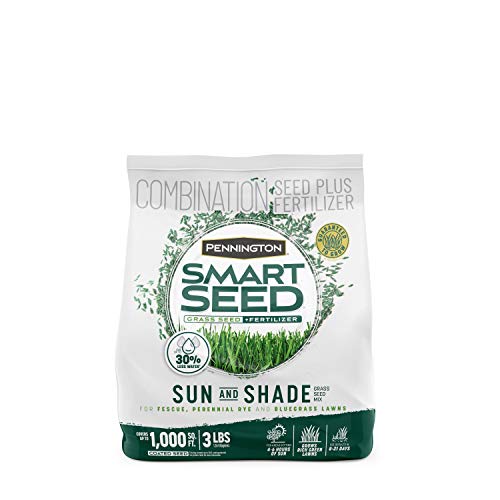
This grass seed and fertilizer all in one pack is for areas getting 4 to 6 hours of sunlight
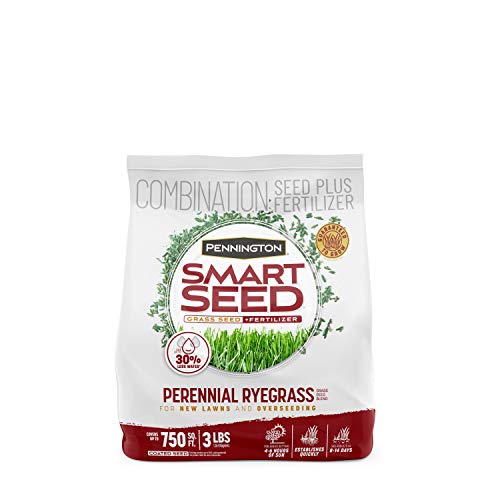
This lawn seed is great for areas getting 4 to 6 hours of sun
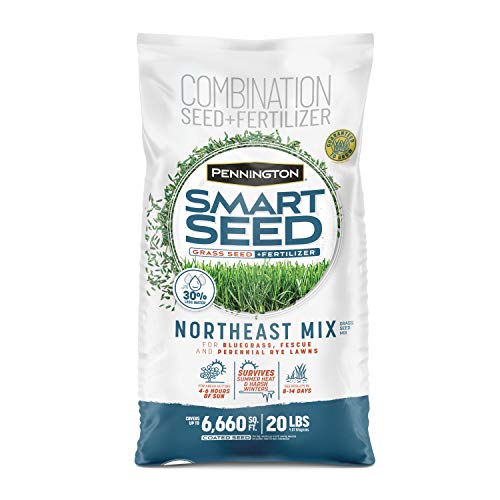
A premium mix of Perennial Ryegrass, Kentucky Bluegrass and Tall Fescue grass seeds for planting
Warm-Season Grass: When to Plant in Southern Climates
When should you plant warm-season grass in southern climates? You’ll achieve optimal results by targeting late spring to early summer, specifically mid-May through June. During this planting window, soil temperature should register consistently between 65–75°F, with daytime temperatures reaching 80°F or higher for multiple consecutive days. These thermal conditions directly drive germination and ensure robust establishment of warm-season grasses.
You’ll compromise outcomes if you plant outside this window, as germination slows and heat stress damages vulnerable seedlings. Where seed germination proves unreliable, you’ll often deploy warm-season plugs or sprigs, though you’ll accept slower establishment versus sod. You’ll align your specific timing with local weather patterns, avoiding extended drought or excessive rainfall that causes seed washout and elevates disease risk.
Recommended Products

OPERATION: Adjustable arm support on this seed, salt and fertilizer spreader helps provide maximum comfort

Grows new grass 70% thicker, 35% quicker versus unfed grass

WHEN TO APPLY: Apply pre-emergent weed killer plus lawn fertilizer to a dry lawn when temperatures are consistently between 60°F and 90°F for best results
Spring vs. Fall: Best Season to Plant Grass Seed
Why does season matter so much for grass seed planting? You achieve successful germination and establishment only when you align seeding with optimal soil temperature and environmental conditions.
For cool-season grass, you’ll find fall generally delivers superior results. From mid-August to mid-October, you take advantage of soil temperatures between 60–70°F that promote rapid germination, while young plants establish robust root systems before winter dormancy.
You can plant in spring when soil temperature reaches 60–75°F, typically mid-April onward depending on your region. However, you’ll face greater challenges: late freezes threaten young seedlings, weed pressure intensifies, and you’ll struggle to maintain consistent seed-to-soil contact during unpredictable wet periods. Spring options prove less reliable—you contend with competition and environmental variability that compromise establishment compared to fall’s more stable conditions.
Recommended Products

QUICKLY GROWS TURF - This rapidly establishing grass seed mixture grows quick-turf for problem areas. It's designed to fill in troubled areas in lawns or grow an entirely new lawn quickly. It germinates in 7 -10 days

APPLICATION: Apply this sun and shade grass seed in the spring or fall to grow a new lawn or overseed an existing lawn to thicken grass and help crowd out weeds

Grows thick and green fast — perfect for spring overseeding
Weather to Check Before Planting Grass Seed
How precisely must you time your planting around weather patterns? You’ll monitor soil temperature first, as it’s your primary germination cue; cool-season grasses require 60–70°F soil temps for optimal establishment.
You’ll also track weather conditions for consistent warmth—aim for seven consecutive days of 60–75°F daytime temperatures before spring planting.
You’ll avoid heavy precipitation periods that compromise seed-to-soil contact and wash seeds away. You’ll seek light rain and balance sunny intervals with adequate soil moisture.
You’ll maintain moist—but never saturated—topsoil through light watering during the first week. Prolonged wet or dry spells reduce establishment success, so you’ll adjust your schedule dynamically.
Recommended Products

DURABLE CONSTRUCTION: Solid 20 inch (508 mm) 0.2 inch (5mm) diameter stem; reinforced welded bolt between dial and stem for long-lasting operation and conditions; high quality 304 stainless steel

【The Ideal 5-Inch Depth for Home Gardens & Compost Bins】Designed for All Passionate Gardeners! This probe is long enough to reach the active core of backyard compost piles and deep into soil for accurate readings, yet perfectly sized for raised beds and containers without the hassle of overly long professional stems.
MONITOR COMPOST ACTIVITY & SOIL READINESS: This 5-inch stainless steel thermometer is the essential tool for compost piles and garden beds. Measure the core temperature of your compost to gauge decomposition, and test soil warmth for perfect seeding, transplanting, and lawn care timing.
Conclusion
You’ve identified your grass type, confirmed soil temperatures, and narrowed your planting window. Sow cool-season varieties between mid-August and mid-October, or warm-season cultivars in mid-May through June where applicable. Prepare soil to a ½-inch depth, apply seed at 3–4 lb per 1,000 sq ft, and maintain consistent moisture. Monitor forecasts, avoid pre-emergent herbicides, and adjust dormancy seeding deadlines by early November. Execute these parameters precisely, and you’ll optimize germination rates and establishment success.
Recommended Products
Unmatched Dark Green Hue: Our Kentucky Bluegrass Dark Blend features specially selected cultivars that help create the darkest, most luxurious lawn, setting your outdoor space apart with its mesmerizing richness and depth.

Kentucky bluegrass seed blend plus fertilizer provides dense, lush and durable grass

HIGH-QUALITY FORAGE GRASS: Orchardgrass is a cool-season perennial grass; Produces palatable, nutritious feed and is ideal for pasture and hay