
You’re battling crabgrass in July heat, and every method you’ve tried seems half a step behind. The plant germinates when soil hits 55°F, sets seed within six weeks, and leaves thousands of dormant offspring. You need timing, technique, and turf management working together. What you do in the next two weeks determines whether next summer looks different.
Why Crabgrass Thrives in Summer Heat
Why does crabgrass dominate your lawn precisely when cool-season grasses struggle? Crabgrass exploits thermal niches your desirable turf can’t tolerate. You’ll observe crabgrass seeds germinate when soil temperatures reach approximately 55°F, typically ahead of your lawn’s active growth phase. This phenological advantage allows establishment before competition intensifies.
Summer growth accelerates dramatically as temperatures climb. You must recognize that this annual weed thrives in hot, dry conditions precisely when cool-season species enter dormancy. Each plant produces thousands of seeds, creating a persistent soil seed bank with multi-year viability. Your management challenges compound because summer conditions accelerate both vegetative spread and reproduction. Thin turf areas provide entry points; dense swards suppress germination through light interception. Understanding this thermal ecology explains why cultural practices fail without timing adjustments.
Recommended Products

One application prevents crabgrass all season long

Water-Based Formulation: Experience the power of our unique water-based formulation that ensures superior control and faster plant uptake, delivering results you can see quickly

Nutrition: High nitrogen fertilizer for grass enriched with potassium strengthens grass from within, improving stress tolerance and turf resilience while providing essential NPK fertilizer nutrients for optimal lawn health
Identify Crabgrass Before It Seeds
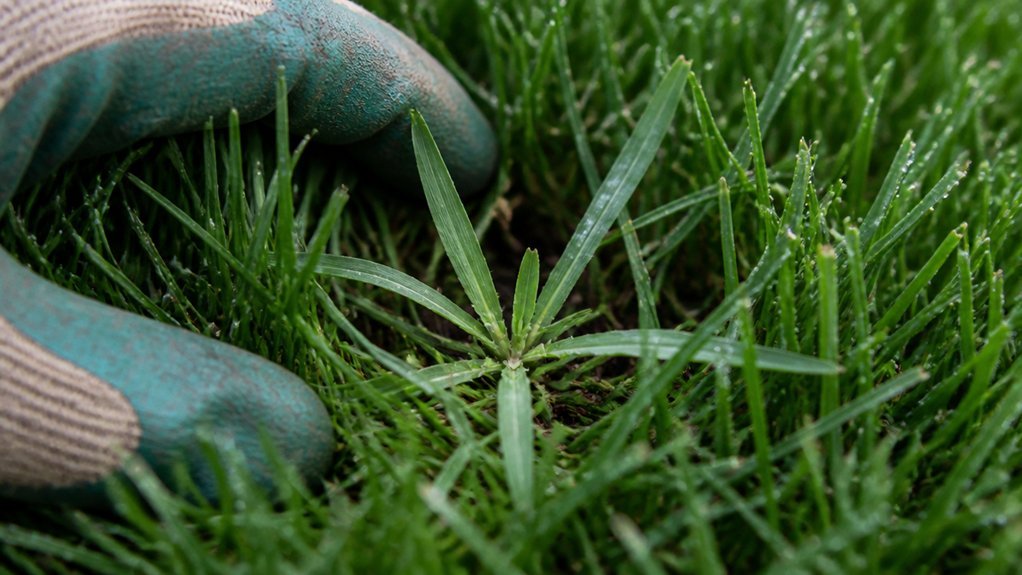
How precisely can you distinguish crabgrass from your lawn’s desirable grasses before seed production escalates your weed pressure?
You’ll identify crabgrass by its distinctive morphology: bright green, thick, silky leaves radiating from a central point, unlike your turfgrass’s blade structure. Monitor soil temperatures closely—germination initiates at approximately 55°F, so scout diligently through spring transition.
Your vigilance pays off during pre-seed stages. You’ll observe prostrate growth with spreading, finger-like stems before greenish-purple seed heads emerge. Each mature plant generates thousands of seeds capable of extended dormancy, building a persistent seed bank.
Act before panicle formation. Once crabgrass releases seeds, you’ve guaranteed multi-year germination cycles. Your early identification disrupts this annual weed’s reproductive timeline, preventing exponential population expansion.
Remember: you’re targeting one year’s growth. Miss the window, and you’ve seeded decades of future infestations.
Recommended Products

WEED PREVENTION: Scotts Halts Crabgrass & Grassy Weed Preventer prevents the germination of listed lawn weeds so you can enjoy your lawn

WEED PREVENTION: Scotts WeedEx Prevent with Halts is a weed control product that prevents the germination of listed lawn weeds so you can enjoy your lawn

Designed to prevent weeds; will not aid in eliminating existing weeds. Prevents grassy and broadleaf weeds, including crabgrass, poa annua, goosegrass, henbit, and more.
Pull Young Crabgrass by Hand
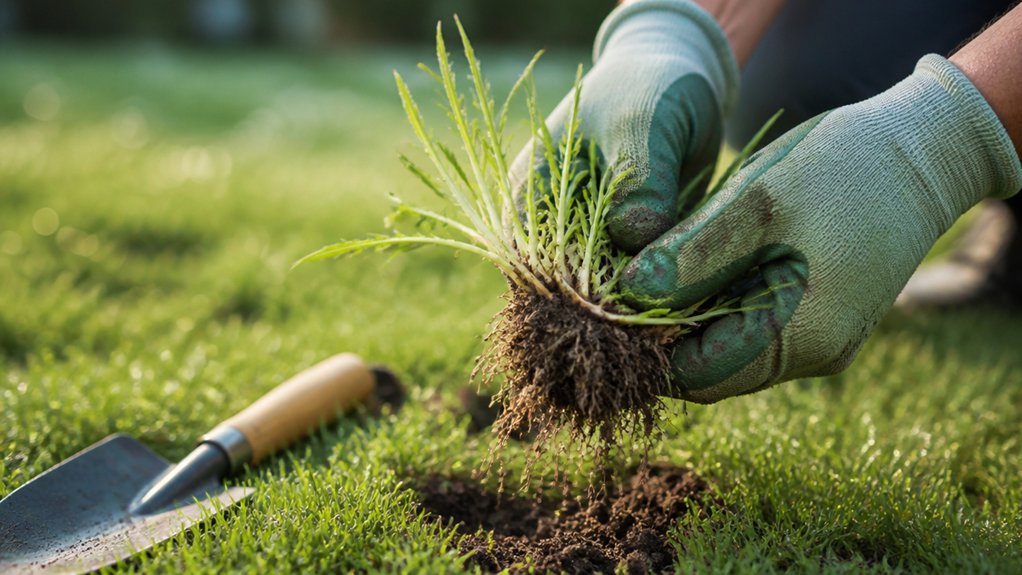
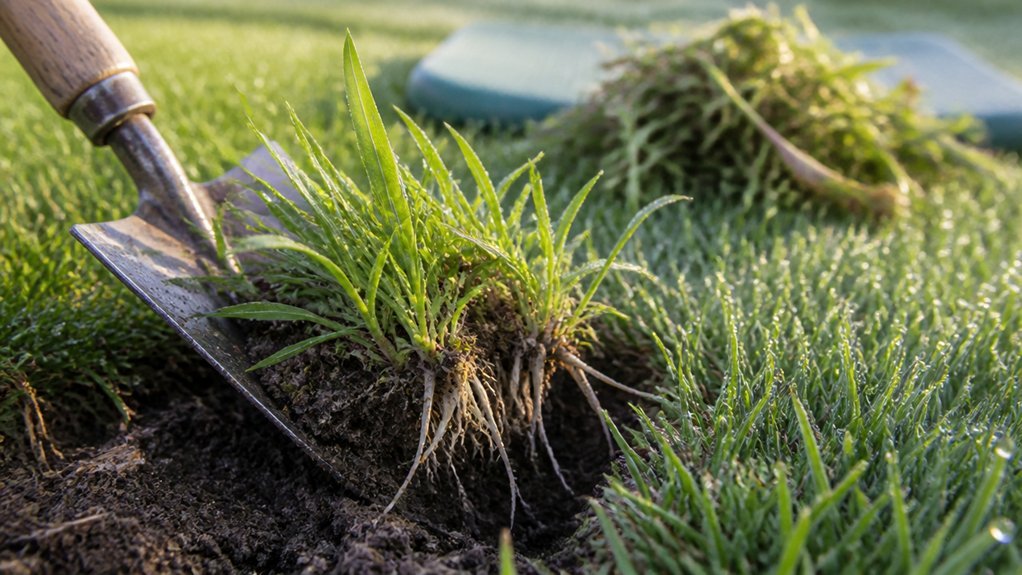
When exactly should you intervene against crabgrass? Target early-stage plants within one to two weeks after emergence. At this point, crabgrass hasn’t established deep roots or begun tillering, making it vulnerable.
Hand-pulling demands precise timing and technique. You’ll identify young crabgrass by its bright green, thick, silky leaves radiating from a central point. This growth pattern creates a distinct silhouette you can grip firmly. Moist soil maximizes your efficacy, allowing complete root extraction without stem breakage; dry soil leaves fragments that regenerate.
Inspect your lawn regularly after germination periods. Spotting and removing seedlings promptly weakens the seed bank, directly limiting future infestations. You’ve got to act before plants mat into dense clusters—once that happens, mechanical removal becomes impractical.
After extraction, dispose of all plant material immediately. Never compost it; viable seeds survive standard decomposition and reseed your lawn.
Recommended Products
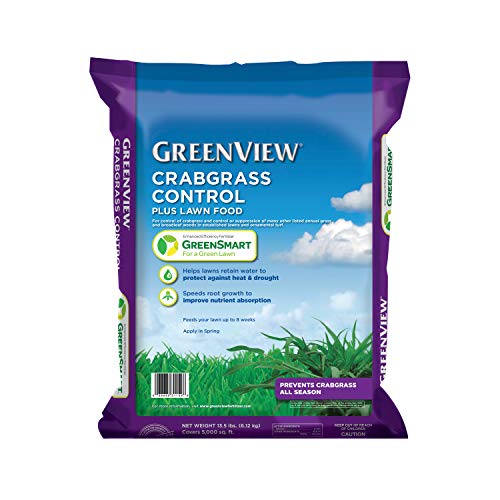
Coverage: This 13.5 lb. bag of weed and feed lawn fertilizer provides comprehensive treatment for up to 5,000 sq ft, delivering both crabgrass prevention and essential nutrients to promote healthy green grass growth

Coverage: This 40.5 lb. bag of weed and feed lawn fertilizer provides comprehensive treatment for up to 15,000 sq ft, delivering both crabgrass prevention and essential nutrients to promote healthy green grass growth

【IP65 Waterproof and LCD Display】: Thermometer probe sensor with LCD display so that you can view temperature data in real-time on the WN34BS. Soil tester digital for soil is IP65 waterproof. Soil temperature tester with 30cm(11.81inch) stainless steel probe sensor for potted plants, greenhouse, lawn,farm, garden. Help you konw the soil temperature more clearly and accurately, so that your plants can grow better.
Kill Mature Crabgrass Without Chemicals
Once crabgrass matures, hand-pulling fails—deep roots and fibrous tillers resist mechanical extraction, and disturbance releases dormant seeds into viable growing positions. You’ll need alternative control methods for established plants.
Apply boiling water directly onto mature crabgrass foliage and crown tissue. The thermal shock ruptures plant cells and destroys contacted seeds on contact. Re-treat survivors at 7-day intervals until senescence completes.
Implement solarization during peak heat months: mow infested areas to 1 inch, irrigate thoroughly, then seal soil beneath clear polyethylene for 4–6 weeks. Solar radiation elevates soil temperatures to lethal thresholds for crabgrass crowns and reduces viable seed banks through thermogenesis.
For isolated specimens near desirable vegetation, you’ll limit collateral damage by applying non-selective herbicides as precision spot treatments. Spray leaf surfaces during calm, cool conditions—morning applications reduce drift potential. Shield adjacent plants with cardboard barriers during application.
Recommended Products

ALL-IN-ONE FORMULA: BioAdvanced's All-in-One formula kills listed lawn weeds and crabgrass without harming the lawn

KILLS WEEDS, NOT THE LAWN: Controls listed weeds – including crabgrass – not the lawn (when used as directed).

SUN AND SHADE GRASS SEED: This combination lawn seed, grass fertilizer, and soil improver thrives in a variety of conditions
Mow Higher to Stop Crabgrass From Seeding
Why perpetuate a losing battle against established crabgrass when you can directly sabotage its reproductive cycle? Adjust your mowing height to three inches or higher. This increased canopy casts deeper shade on the soil surface, directly suppressing crabgrass germination by limiting light penetration.
Higher mowing builds turf density through enhanced photosynthesis and lateral growth. You’ll crowd out crabgrass seedlings before they establish root systems. The dense canopy minimizes bare soil exposure—eliminating the open gaps crabgrass exploits for germination.
Longer leaf blades also reduce the energy available to mature crabgrass plants for seed production. You’re weakening their reproductive output while strengthening your lawn’s competitive advantage.
This low-effort adjustment complements your broader management strategy. You’re not just controlling weeds; you’re engineering an environment where crabgrass can’t complete its life cycle.
Recommended Products

GARDENING ESSENTIAL: Garden weeder ideal for a variety of gardening tasks like removing invasive weeds, maintaining your herb garden, uprooting dandelions and thistles, and more to encourage overall plant health and appearance

High-Efficiency Weed Puller Tool: Effortlessly maintain a pristine lawn with the Breeze Touch weed puller tool. Specifically designed for heavy-duty use, the 3-claw steel head grips weeds from the core, making it the ultimate root remover tool for thistles, crabgrass, and stubborn yard invaders.

ULTRA-DURABLE Manganese Steel: Crafted from premium 2.5mm thick manganese steel with enhanced welding, this hand weeder resists bending and breaking, ensuring long-term, high-intensity use for all your gardening tasks.
Apply Pre-Emergent in Spring
While higher mowing builds a defensive canopy, you’ll need chemical intervention to intercept crabgrass before it breaks soil. Pre-emergent herbicides create a chemical barrier that kills germinating seeds, making spring timing critical. You’ll apply these products before soil temperatures reach 55°F—typically mid-April to early May in cooler regions, earlier in southern zones. Your active ingredient options include benefin, bensulide, pendimethalin, dithiopyr, and siduron (the sole option safe for simultaneous grass seed sowing). Avoid treating areas where you’ve sown desirable seeds or maintain seed-grown ornamentals and edibles, as pre-emergents block germination indiscriminately. Secure ½ inch of rainfall or irrigation within 3–5 days post-application to activate the barrier. For organic approaches, corn gluten meal serves as a supplemental pre-emergent, though you’ll need 2–3 years of repeated applications to achieve efficacy comparable to synthetic alternatives.
Recommended Products

WEED PREVENTION: Scotts Turf Builder Halts Crabgrass Preventer with Lawn Food is a combination weed preventer and grass fertilizer for lawns that stops crabgrass before it invades and feeds grass for a fast green-up after winter

3-IN-1 FORMULA: Scotts Turf Builder Triple Action1 is a three-in-one lawn fertilizer and weed control formula that kills listed lawn weeds, prevents crabgrass, and feeds grass to build thick, green lawns

WEED PREVENTION: Scotts Halts Crabgrass & Grassy Weed Preventer prevents the germination of listed lawn weeds so you can enjoy your lawn
Time Pre-Emergent by Soil Temp and Plant Cues
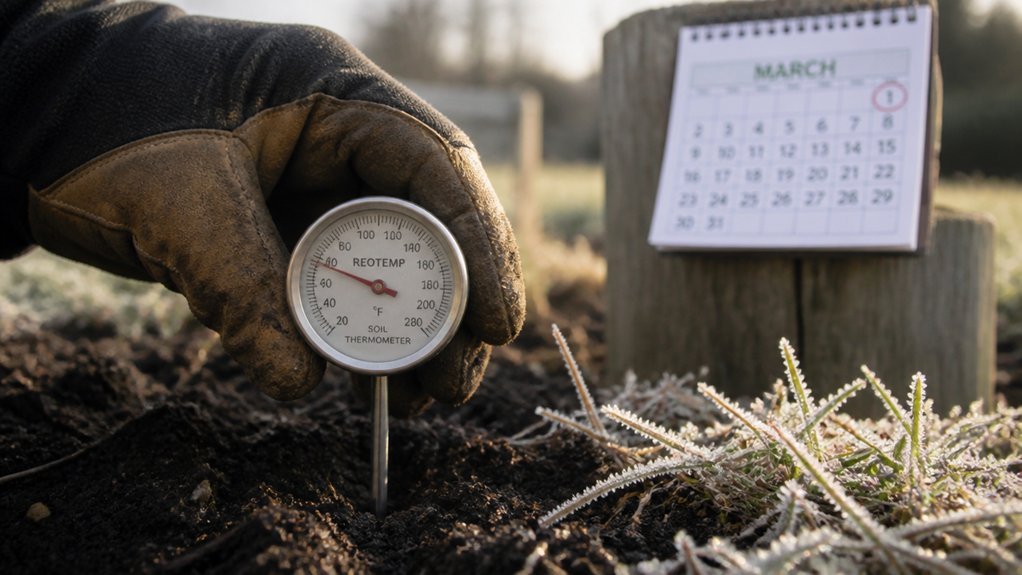
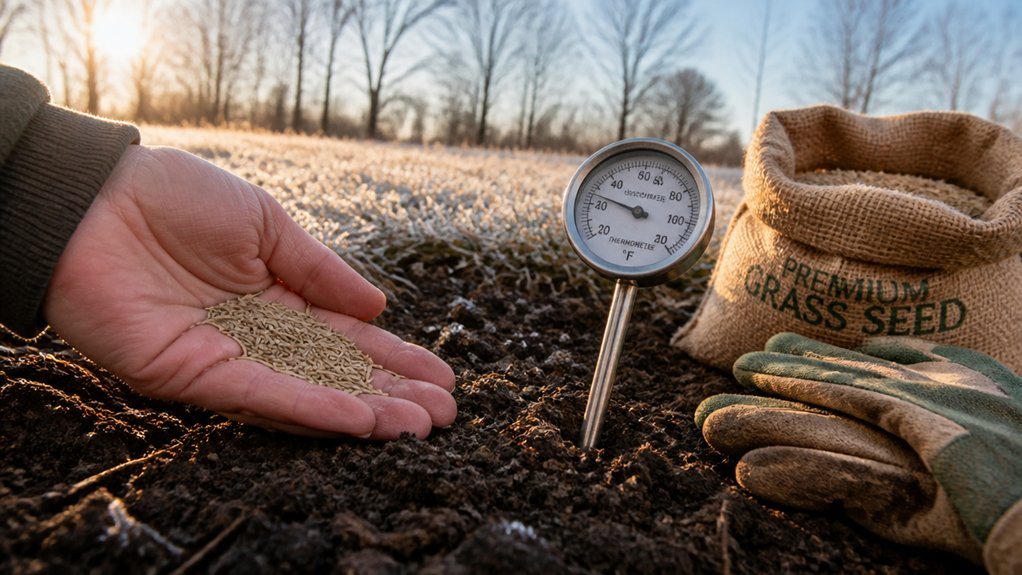
Because crabgrass seeds germinate when soil temperatures hit approximately 55°F, you’ll need to calibrate your application window to thermal conditions rather than calendar dates. Monitor soil temperature at two-inch depth using a thermometer or local extension data. In Iowa, this threshold typically occurs mid-April to early May, coinciding with specific spring cues: apply when forsythia drops its golden blooms or redbud trees flower. These phenological indicators synchronize precisely with thermal germination triggers. You’ll want to apply 3–5 days before expected rainfall or irrigation to activate the chemical barrier effectively. Adjust preemergent timing annually—advance applications during warmer springs, delay during cooler ones. Avoid treating areas with recently sown desirable seed, as most preemergents inhibit germination uniformly.
Recommended Products

Effective Pre Emergent Solution: Our 0-0-7 Prodiamine granular pre-emergent is a reliable barricade pre-emergent herbicide designed to prevent a variety of weeds, including crabgrass. This crabgrass killer for lawns ensures a pristine, weed-free lawn environment.
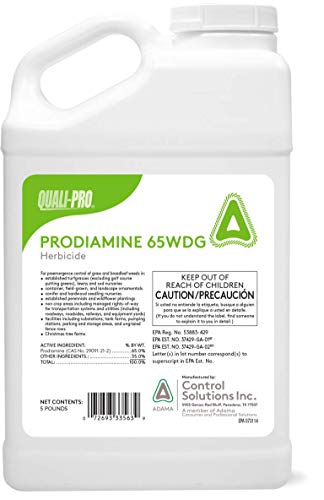
PRE-EMERGENT HERBICIDE: Quali-Pro's Prodiamine 65 WDG provides pre-emergent grass and broadleaf weed control. Flexible application allows for both spring and fall use providing season long crabgrass control. Available in a 5 pound bottle.

Designed to prevent weeds; will not aid in eliminating existing weeds. Prevents grassy and broadleaf weeds, including crabgrass, poa annua, goosegrass, henbit, and more.
Grow Thick Turf That Shades Out Crabgrass
A dense turf canopy remains your most sustainable defense against crabgrass invasion, functioning as a living mulch that intercepts light at the soil surface and eliminates the open niches where annual grasses establish.
You’ll build this protective barrier through strategic cultural practices that maximize shade and minimize soil exposure.
Overseed your lawn in late summer or early fall to fill thin areas before crabgrass seeds overwinter.
Aerate compacted soil to improve root penetration and turf density.
You’ll maintain mowing heights at 2.5–3 inches or higher—this elevated canopy casts deeper shade that suppresses crabgrass germination and establishment.
Your dense turf outcompetes invaders by limiting the light and bare soil crabgrass requires.
It also reduces moisture loss, strengthening overall lawn vigor.
This integrated approach creates an environment where crabgrass can’t gain foothold, delivering long-term suppression without chemical dependency.
Deep Water and Tall Mow to Block Crabgrass
Why rely on chemicals when you can outmaneuver crabgrass through its own biological weaknesses? Start with deep watering. Apply ½–1 inch of water per irrigation, penetrating 4–6 inches into the soil. This strengthens turfgrass roots and dries surface layers, depriving shallow-rooted crabgrass seedlings of moisture. You’re simultaneously building resilience and eliminating favorable germination conditions.
Pair this with tall mowing. Set your mower to its top two height settings for your grass type. The elevated canopy shades the soil surface, blocking light that crabgrass seeds require for germination. This cut height also promotes denser, upright turf growth.
Together, deep watering and tall mowing create a competitive lawn. You establish thicker turf that intercepts resources crabgrass demands. Your lawn outcompetes invaders through superior resource capture and canopy architecture, not chemical intervention.
Recommended Products

Increase Vertical & Lateral Growth: Advanced Humic Acid Formula, Also Great for New Sod/Seeding

Establishes quickly

Grows new grass 70% thicker, 35% quicker versus unfed grass
Reseed Thin Spots in Fall
Deep watering and tall mowing fortify your existing turf, but they can’t fill gaps where crabgrass has already gained ground. You’ll address this lawn thinning through strategic fall reseeding, which thickens your canopy and suppresses crabgrass germination the following spring.
Target bare soil and thin areas with region-appropriate cool-season grass seed. You’ll establish dense coverage before winter dormancy, eliminating the sunlight penetration that invites crabgrass establishment next season. Water thoroughly after application, maintaining consistent soil moisture until seedlings establish robust root systems.
Post-reseeding, maintain 3–4 inch mowing height and avoid heavy fertilization that would stimulate competing weed growth. Your fall intervention creates the physical barrier—dense, shade-producing turf—that chemically-free crabgrass prevention requires. You’ll enter spring with established grass, not empty spaces awaiting opportunistic weeds.
Recommended Products

GARDEN TOOLS FOR WEEDING - This 2-in-1 gardening hand tool combines a four-tooth weeder and a two-tooth root remover in one tool for surface weeds, deep roots, and stubborn weeds.

Old-School, Easy-To-Use Design That's Been Around Since 1913. Please Review Instructions on How To Use The Tool Properly & Watch Product Videos. It's Almost So Simple, People Over Think It!
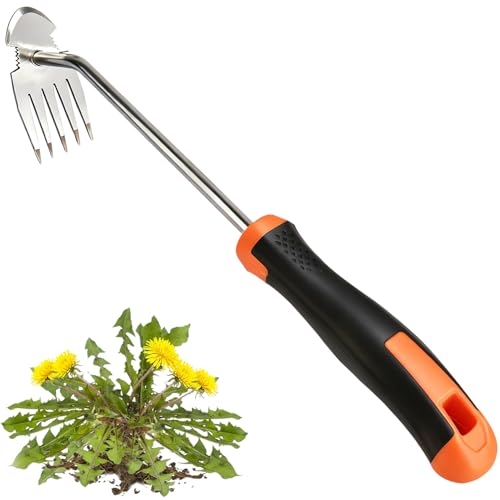
【New Upgrade Weed Puller Tool】This 2026 newly upgraded 5 teeth weed remover tool,Sharp teeth can easily penetrate into the roots of weeds and then pull them out along with their roots, Suitable for weeding in different occasions such as gardens, backyards, farms, vegetable orchards, etc
Conclusion
You’ll control crabgrass by combining early mechanical removal, targeted heat treatments, and precise cultural practices. Maintain three-inch mowing height, irrigate deeply to four-to-six inches, and establish dense turf through fall reseeding. Time pre-emergent applications using soil temperature thresholds and plant phenology cues. These integrated strategies exploit crabgrass’s physiological vulnerabilities while promoting competitive exclusion through healthy lawn ecosystems.