
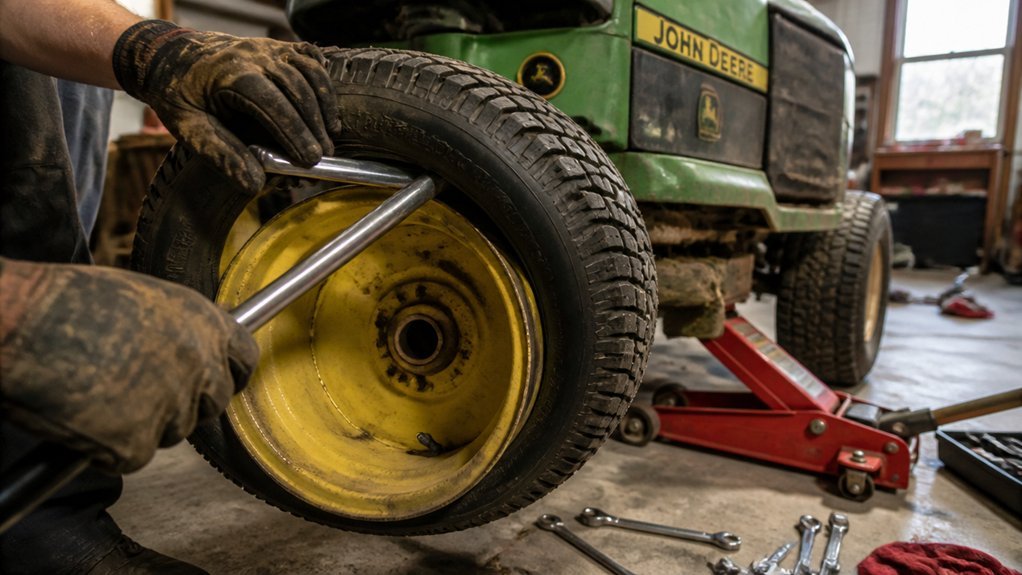
You’ll start by isolating the hydrostatic drive and securing the chassis on jack stands—neglect this, and you’re risking shearing force on the axle seal. The real complexity lies ahead: bead seating requires controlled psi application, and improper mounting geometry guarantees rotational vibration. You haven’t encountered the strap-and-inflate method’s critical failure points yet.
Position Your Riding Mower on Solid Ground
Where exactly should you position the riding mower before commencing tire service? You’ll maneuver the unit onto a flat surface, ensuring grade variance doesn’t exceed 0.5 percent lateral inclination. Engage the parking brake mechanism fully; you’re locking the transmission to prevent unintended longitudinal displacement. You’ll position wheel chocks—preferably rubber or urethane compound—at the opposing axle’s wheels, creating mechanical blocking against rollback.
You’ve initiated the foundational protocol for riding mower tire service. You’re establishing static equilibrium prior to any elevation procedures. Remove the ignition key or disconnect the spark plug lead wire—you’re eliminating ignition system energization hazards. Clear the service envelope of personnel; you’re mitigating struck-by and caught-between injury vectors. Verify surface integrity beneath anticipated jack stand placement points; you’re preempting subsurface failure during subsequent wheel removal operations. Your preparatory phase ensures adequate safety margins before load transfer occurs.
Recommended Products

【Compatible and Specifications】 15x6.00-6 Lawn mower tires and wheels compatible with Craftsman John Deere Husqvarna Riding mowers, fit most lawn mowers that tires with an outer diameter of around 14.2 inches, and a section width of 5.3 inches, 15x6.00-6 Tires with 3/4" Sintered iron bushings with have a rim diameter or around 6 inches and a hub that is about 3 inches long. Maximum load capacity of 570 pounds, maximum psi of 30.

✅ Product Specifications: Tire Size: 15x6.00-6". Tire Diameter: 14.13". Section Width: 5.9". Rim Diameter: 6.4". Hub Length: Adjustable 3", 3.25", 3.33", or 3.41" Offset Hub with included adapter kit. Bushing Sizes: 3/4", 5/8", and 1/2". Load Capacity: 400 lb.

PERFECT FIT & WIDE COMPATIBILITY: Precision-engineered 15x6.00-6 front tire and wheel assembly. Compatible with John Deere 100/D100 Series, Craftsman, Husqvarna, and Poulan riding mowers or lawn tractors using standard front tires. OEM-style replacement for common mower setups
Jack up the Mower and Secure It With Stands
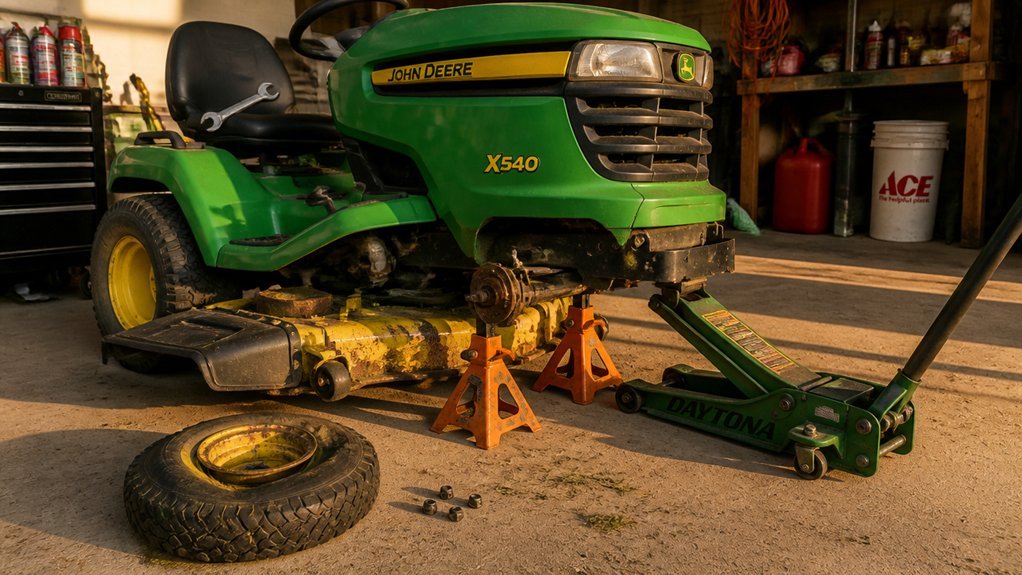
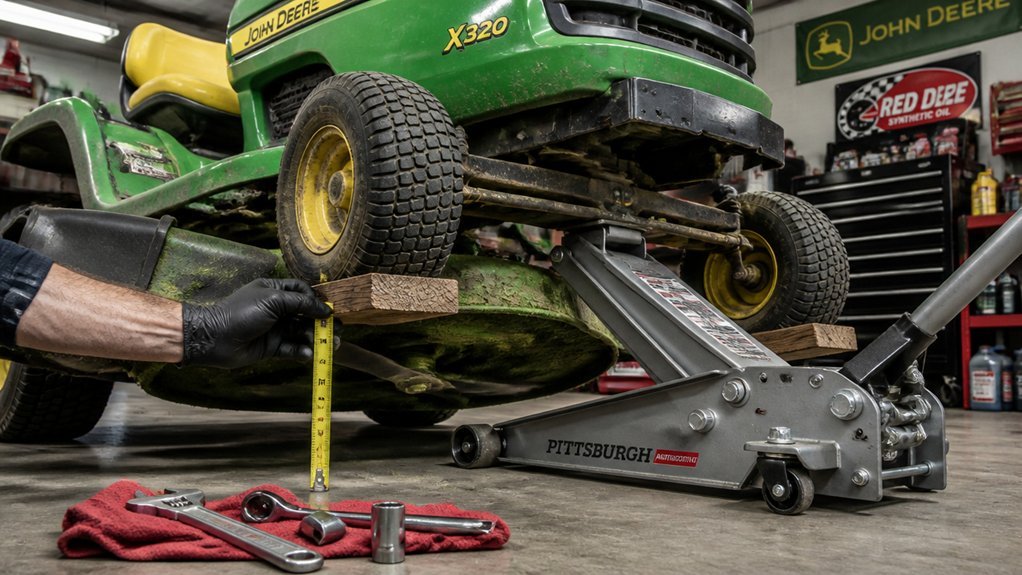
You’re now ready to transfer the mower’s mass from its suspension to your lifting equipment. Position your floor jack beneath a solid frame point—never the deck—to raise the side containing the target tire. Lift until the wheel clears the ground sufficiently for removal clearance.
Once elevated, slide jack stands under the frame, ensuring they’re squarely contacting load-bearing structural members. Lower the jack slowly, transferring the full static load onto the stands. Before proceeding, chock the opposite wheel to prevent translational movement. Verify tri-pod stability by applying lateral force to the chassis—any deflection indicates inadequate mounting.
Re-check stand positioning and ground contact integrity. Only when you’ve confirmed zero dynamic instability should you consider the tire accessible for service. Your mechanical isolation is now complete.
Recommended Products

The lawn mower front wheel bearing kit is suitable for riding lawn mower front wheels, can replace Crafstman Husqvarna AYP Poulan Jonsered murray riding lawn mower front wheels Replace,Rodamiento delantero de cortacésped F202

COMPATIBLE MOWER MODEL: The 5" Deck Gauge Wheels fit for Husqvarna, fit for Craftsman, fit for MTD, fit for AYP, fit for Cub Cadet, fit for John Deere most 42", 46'', 48'', 50", 52'' and 54" Decks. And please check the size before ordering
Remove the Old Wheel From the Axle
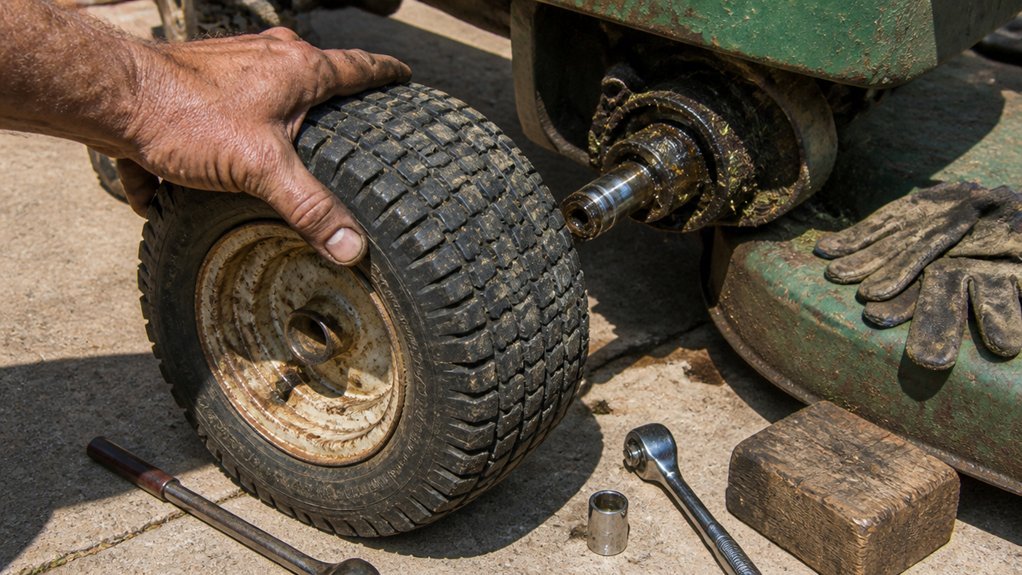
Why begin with the cap? The debris cap protects the axle’s retaining hardware from particulate accumulation. Pry it off to expose the cotter pin or E-clip securing your old wheel to the axle shaft.
Grasp needle-nose pliers and extract the retaining pin or E-clip. Don’t scatter the washers—maintain their axial sequence for proper preload during reassembly. Set them aside in order.
Now execute wheel removal. If the wheel hub binds, you’ll need to deflate tire pressure further before proceeding. Once liberated from retaining hardware and spacers, slide the assembly off the axle. Should residual friction persist, employ tire pry tools at the rim interface, ensuring complete deflation before manipulating the bead. Document washer placement meticulously.
Recommended Products

【Excellent Material】Made of high-quality 304 stainless steel, these automotive cotter pins are sturdy, corrosion-resistant, and suitable for outdoor use. They are well crafted, without burrs or sharp ends, with excellent fit and smoothness

Product Type: High quality cotter pin clip key fastner fitting assortment kit
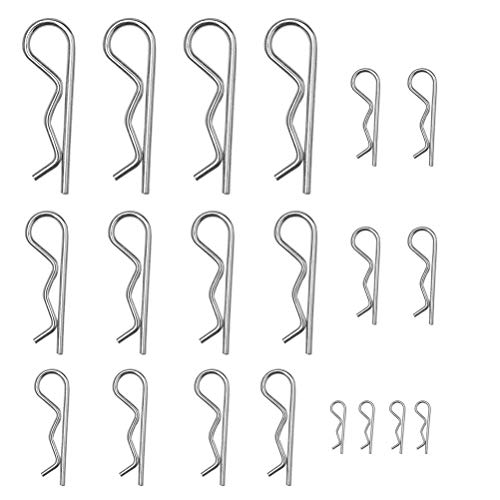
Package Included: 4 Pcs M1*16 mm length Cotter Pins, 4 Pcs M1.5*30mm length Cotter Pins, 4 Pcs M2*40 mm length Cotter Pins, 4 Pcs M2.5*50 mm length Cotter Pins, 4 Pcs M3*65 mm length Cotter Pins
Deflate and Break the Tire Bead
With the wheel assembly removed and the hub exposed, you’re ready to address the tire itself. You’ll deflate and break the tire bead systematically to prevent snap-back and rim damage. Begin with valve stem release: extract the valve core using a valve-core tool or depress the pin, ensuring complete depressurization. Fully deflated, the sidewall loses structural rigidity, reducing resistance during separation.
Apply tire mounting lubricant or soapy water solution to the bead seating interface; this reduces friction and facilitates subsequent manipulation. Generate bead-breaking leverage using pry bars or large screwdrivers inserted between the tire bead and rim flange. Work circumferentially, alternating pressure points to distribute load and avoid localized stress concentrations. Maintain gradual, even force until the bead unseats completely from both rim flanges, enabling tire removal.
Recommended Products
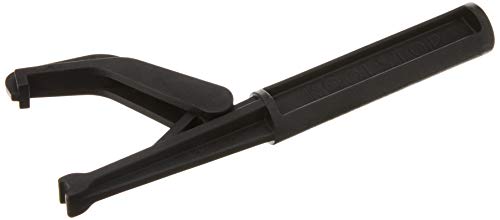
Country Of Origin : United States

STEEL-IRON TIRE SPOONS: Each tire lever is constructed of hardened steel-iron with curved tips that provides strong toughness and reliable durability.

Suitable For Many Vehicles-Heavy duty all steel construction tank with powder coating finish for durability. Seating all tires of heavy duty vehicle including regular vehicles, truck, cars, tractor, RV, ATV and more.
Mount the New Tire Onto the Rim
How should one approach mounting without compromising structural integrity? You’ll begin with the deflated tire to reduce mechanical stress during the mounting tire sequence. Verify rim compatibility before proceeding; mismatched bead seat diameters guarantee failure. Apply bead lubricant—soapy water suffices—to the tire’s inner circumference and rim edge. This reduces friction coefficient during manipulation. You’ll knead the tire onto the rim using body weight distributed across the sidewall, leveraging a tire iron or bead tool to incrementally advance the bead over the flange without gouging the rim surface. Work circumferentially, alternating sides to prevent asymmetrical loading. Once positioned, you’ll inflate gradually, monitoring bead seating uniformity around the entire rim circumference. Finalize by confirming the bead exhibits consistent circumferential engagement and no visible distortion exists.
Recommended Products

500 lbs Load Capacity: The lawn mower lift jack boasts a powerful lifting capacity of 500 lbs, providing reliable support for heavy vehicles such as lawn mowers, tillers, brush cutters, and ATVs, allowing for blade sharpening or replacement without disassembling the mower platform, saving significant maintenance costs.
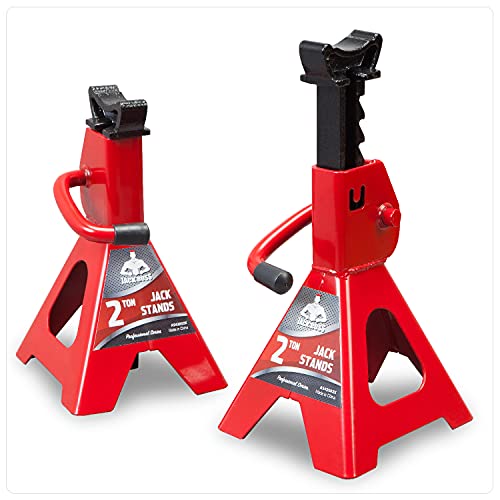
Specifications:2 ton (4,000 lb) capacity for single jack stand; Lifting range from min 9.8 " to max 15"; Net weight: 10.5 lb, which suitable for most 2 Ton Low profile autos, not recommendable for Pick-Up, Truck, too big SUVs etc. whose automobile chassis higher than 15".

Heavy-Duty 300lb Capacity: This adjustable riding lift jack is designed to safely lift and support up to 300 lbs, making it perfect for tractors, ATVs, and zero-turn lawn mowers. Whether you're performing maintenance or repairs, this sturdy lift jack ensures reliable support and durability for heavy-duty lifting tasks.
Seat the Bead With the Strap-And-Inflate Method
What happens when bead seating proves recalcitrant under standard inflation? You deploy the strap-and-inflate method. Begin tire mounting with the assembly deflated. Loop a heavy clamp strap around the tread circumference, applying lateral compressive force to press the bead against the rim flange. Inflate incrementally, pausing to inspect bead seating symmetry and edge alignment. Adjust strap tension dynamically as the casing expands. Ensure rim surfaces and bead toes are contaminant-free; apply soapy water lubricant to reduce friction coefficient during engagement. The strap maintains uniform pressure distribution, preventing asymmetric displacement. Once the bead seats audibly and the tire wall sits flush concentrically, cease inflation. Remove the strap only after achieving full bead lock, completing this phase of tire mounting.
Recommended Products

Special Note: Please check the model of your existing tire sidewall, wheel hub and bearing or bushing size before purchase and installation to ensure correct replacement. In addition, the axle is assembled with two bushings instead of bearings, and grease must be pumped in to ensure lubrication.

【Compatible and Specifications】 15x6.00-6 Lawn mower tires and wheel compatible with Craftsman John Deere Husqvarna Riding mowers, fit most lawn mowers that tires with an outer diameter of around 14.2 inches, and a section width of 5.3 inches, 15x6.00-6 Tires with 3/4" Sintered iron bushings with have a rim diameter or around 6 inches and a hub that is about 3 inches long. Maximum load capacity of 570 pounds, maximum psi of 30.

Special Note: Please check the model of your existing tire sidewall, wheel hub and bearing or bushing size before purchase and installation to ensure correct replacement. In addition, the axle is assembled with two bushings instead of bearings, and grease must be pumped in to ensure lubrication.
Inflate to Manufacturer PSI Specs
Where should you direct your attention once bead seating’s achieved? You’ll locate the manufacturer-molded PSI specification on the tire’s sidewall, then execute inflation to that precise metric using an air compressor equipped with an integrated pressure gauge. You’ll monitor tire pressure incrementally during this phase, safeguarding against over-inflation that risks catastrophic bead damage. Post-inflation, you’ll recheck PSI cold—thermal expansion from ambient heat or operational friction skews readings.
You’ll identify under-inflation through sidewall bulging or incomplete bead seating; you’ll correct deviations via controlled deflation or gradual PSI augmentation. You’ll institutionalize tire pressure logging as protocol within your mower maintenance regimen, verifying specifications prior to each operational cycle to preserve traction integrity and mechanical efficiency. Precision inflation directly correlates with prolonged service life and optimized cutting performance.
Recommended Products

PACKAGE INCLUDING: 4 pcs mower deck gauge wheels, 4 pcs bolts, 4 pcs lock nuts. Wheel Diameter: 5", Width: 2-3/8", Centre Hole: 1/2". Nut Thread Size: 3-5/8". Suitable for most standard 42" 46" 48" 50" 52" 54" deck

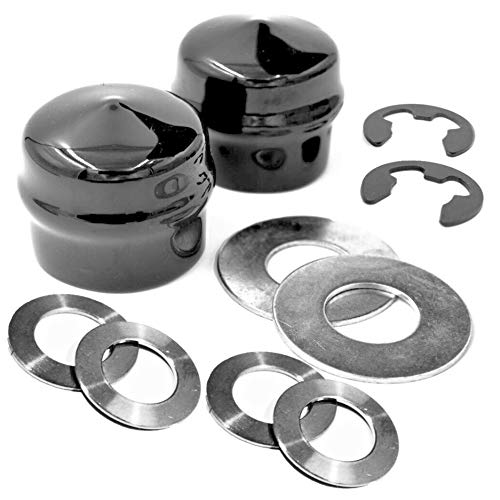
PACKAGE INCLUDES: Includes 2 Steel Washers, 4 Thrust Washers, 2 E-Clips, 2 Hub Caps

Comprehensive Tool Set: This wheel hub remover kit by Orion Motor Tech includes a remover plate, forcing screw, screw assembly, and two washers, making hub removal faster and safer
Reinstall the Wheel on Your Riding Mower
With the tire bead fully seated and PSI calibrated to manufacturer specifications, you’re now positioned to remount the wheel assembly onto the mower chassis.
Initiate wheel installation by engaging axle alignment procedures. Manipulate the riding mower tire until the wheel splines interface precisely with the wheel shaft, verifying key stock insertion to preclude rotational slippage. You’ll secure mechanical integrity by reapplying washers in their original stacking sequence and orientation, torquing the retaining hardware to OEM specifications. Complete the assembly by reseating the debris cap onto the wheel shaft terminus, establishing a protective barrier against particulate infiltration and moisture ingress. This component shields critical hub internals from environmental degradation. Confirm all fasteners achieve proper clamp load before proceeding.
Recommended Products
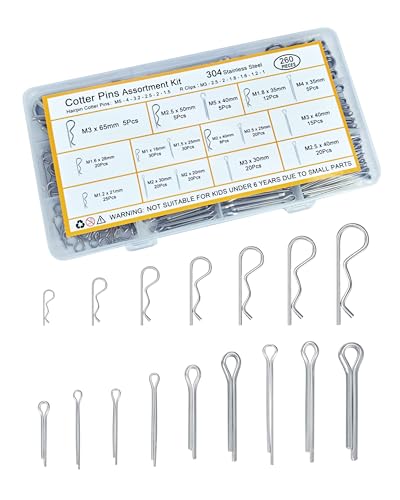
【304 STAINLESS STEEL】: Made from 304 stainless steel for good corrosion resistance and dependable performance in garages, workshops, and outdoor equipment applications. The smooth finished surfaces are suitable for everyday fastening, replacement, and maintenance work.

[APPLICATION]: The wire formed pins are used as a pin locking device to hold pins or castle nuts in place in automotive, axles, trailer hitch and tractors, and are highly versatile fasteners.

【Multiple Sizes】Size: 3*60 8Pcs(3mm wire diameter, 60mm length), 3*50 6Pcs, 2.5*45 6Pcs, 2*40 8Pcs.4 sizes 28pcs clip perfect for machinery, household appliances, toys hitch pins.
Lower the Mower and Test Drive
How precisely does one shift from elevated maintenance configuration to operational status without compromising structural integrity?
You’ll remove the jack stands and actuate the hydraulic release mechanism, executing controlled descent until the tire change interface contacts firm substrate. Reconnect all disengaged driveline components, verifying washer-stack sequencing matches OE specifications. You’ll reinstall the debris cap, ensuring the wheel shaft cap achieves proper interference fit to maintain ingress protection ratings.
Now, initiate a test drive protocol on a planar, obstruction-free surface. You’ll evaluate steering responsiveness, chassis balance, and deceleration metrics while monitoring for anomalous oscillations. If the riding mower exhibits wobble or acoustic irregularities, you’ll immediately suspend operation and recheck bead seating integrity, tire inflation PSI, and wheel mounting concentricity before resuming operational duty cycles.
Recommended Products

High density rubberized PVC coating and design prevents tire bead from creeping when mounting the top bead.

Tire Spoons for motorcycle tires,dirtbike tires and lawn mower tires. Removing and reinstalling tires with minimal fuss. Rim Protectors is used to protect your wheel rims from being scratched.Free Valve core set and tire valve caps.

Tire Changing Tool Essential Haves: whether you're a new rider or professional motocross rider, this combo includes a tire bead holder and rim protector, providing everything needed for hassle-free tire changes; The bead holder securely holds the tire bead in place, freeing your hands and preventing frustrating slips, while the rim protector shields your wheels from scratches, making tire installation faster, safer, and more efficient
Conclusion
You’ve executed the complete tire replacement protocol—bead seating verified, fasteners torqued to OEM spec, and inflation pressure validated. Reinspect concentricity and fastener torque after initial operation. Maintain periodic pressure monitoring and tread inspection to optimize service life. Your riding mower’s driveline integrity depends on proper wheel assembly maintenance. Resume cutting operations with confidence in your mechanical remediation.
Recommended Products

[Simplify your repair process]: Take your maintenance and repairs to new heights with the Ride on Lawn Mower Jack Lift. Explicitly designed for lawnmowers and garden tractors, this telescopic maintenance jack is your ultimate tool for effortless equipment servicing.

Our tractor lifter is made of sturdy steel, which can not only prevent rust to extend the service life, but also ensure safety during use.

Pair of 3 Ton (2.7 metric Ton) jack stands with 6,000-pound capacity