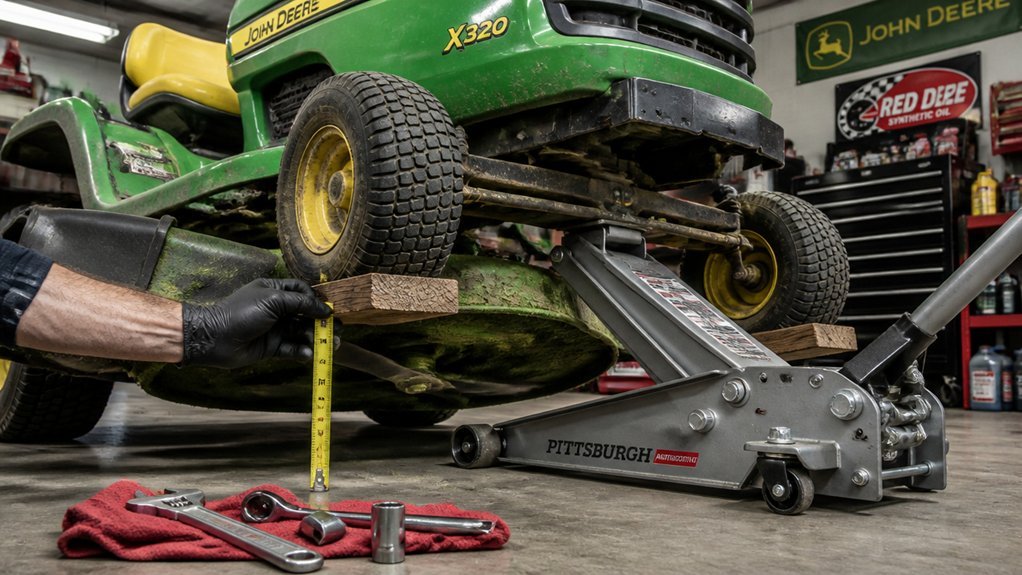


Your Husqvarna riding mower sits silent, and you’re tracing power from battery to starter through a maze of interlocks and relays. You’ve checked the obvious—fuel, spark, charge—but the diagnostic path forks sharply depending on what you find at each test point. One misread voltage drop or overlooked safety switch sends you down the wrong branch entirely. The fix might be a five-minute bypass or a shop visit you can’t avoid. You’ll need to know which tests matter first.
Battery, Brake, Deck: Why Your Husqvarna Riding Mower Won’t Start
Why won’t your Husqvarna riding mower fire up? You’ll find the culprit often hides in three mechanical systems: battery, brake, and deck.
First, test your battery. Dead or weak cells after storage won’t deliver sufficient cranking amperage. Charge per your operator’s manual specifications; replace if it won’t hold voltage. Battery ride-on models enter sleep mode after inactivity—wake yours by holding START for ten seconds or charge continuously for forty-eight hours.
Second, verify your brake engagement. The parking brake must be fully set or the ignition interlock prevents starting.
Third, check your deck position. A lowered cutting deck triggers a safety lockout—raise it before ignition.
Eliminate these variables first. Once cleared, you’ll move to fuel, spark plug, and ignition diagnostics systematically.
Recommended Products
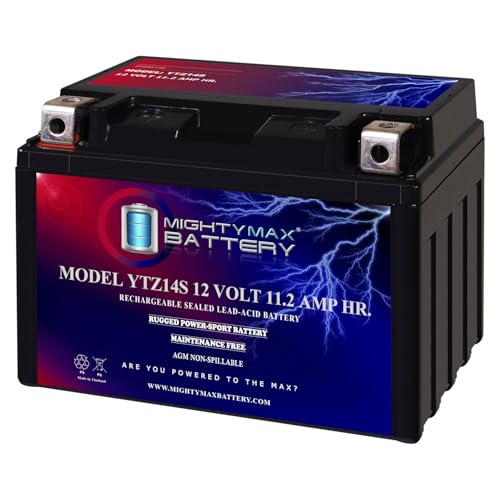
YTZ14S is a 12V 11.2AH 230 Cold Cranking Amps (CCA) Sealed Lead Acid (SLA) Battery

ML-U1R-CCAHR is a 12V 320 Cold Cranking Amps (CCA) Sealed Lead Acid (SLA) Battery
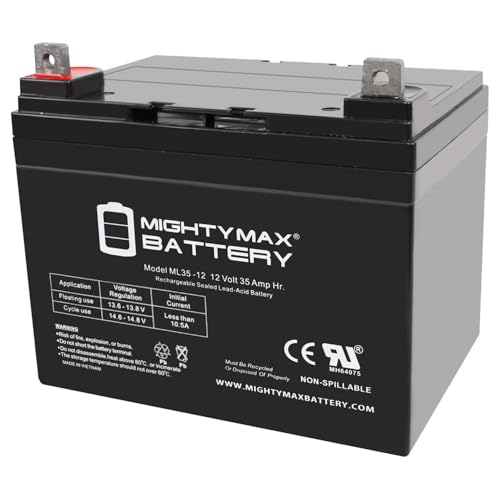
ML35-12 SLA is a 12V 35AH Sealed Lead Acid (SLA) rechargeable maintenance free battery - UL Certified
Checked the Basics? Test Your Battery and Starter Connections
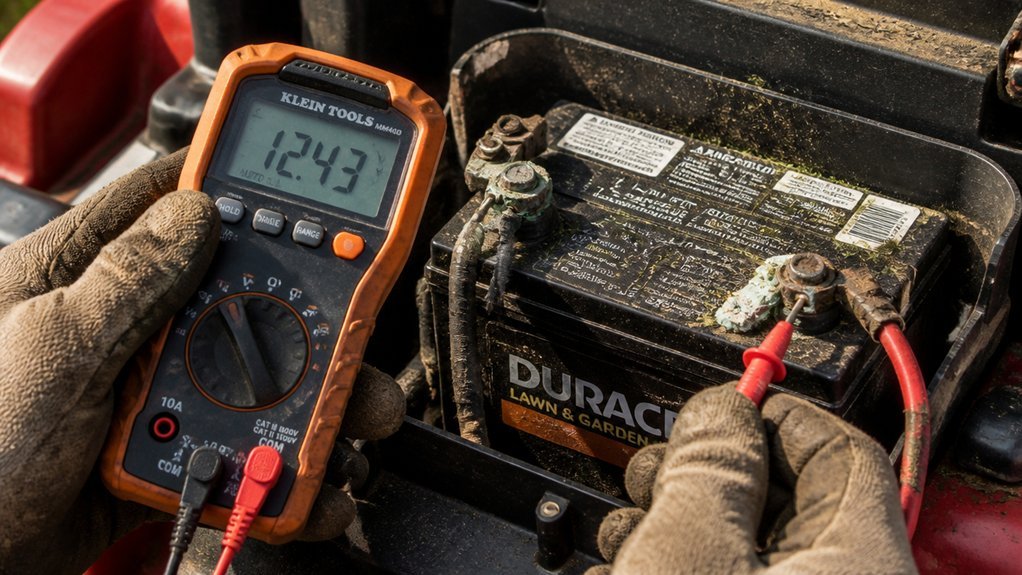
You’ve ruled out the brake, deck, and battery sleep mode—now it’s time to verify your battery’s actual health and the integrity of your starter circuit.
If your mower won’t start, begin charging the battery fully. Weak batteries commonly cause starting failures after storage. Perform a voltage test with a multimeter—consult your operator’s manual for specification. Replace the battery if it won’t hold charge after charging and testing.
Next, inspect starter connections. Clean corroded terminals and tighten loose cables to eliminate voltage drops. Turn the key and listen for the starter motor click. No click indicates faulty starter connections or a compromised starter circuit. Secure all ground and positive leads, then retest. Restore reliable starting by confirming solid electrical continuity throughout.
Recommended Products

【Starter Solenoid】12V Starter relay solenoid for John Deere, Cub Cadet, MTD, Troy-Bilt Trombetta riding lawn mower tractor. Replace part number: 725-04439 725-04439B GY22476 AUC15346 AM138068 862-1211-211-16.
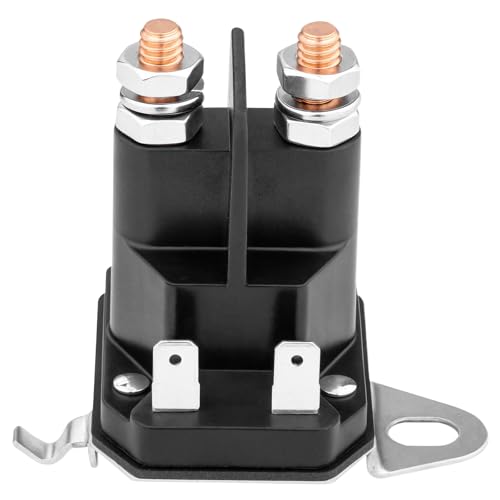
Compatible Models: 12V Starter solenoid relay compatible with Husqvarna Craftsman Poulan AYP 192507 532192507 582042802 582042801 Trombetta 862-1241-211-12 Ariens 21546294 435-325 Snapper 705055 riding lawn mower tractor. It is suitable for riding mowers powered by Kohler, Briggs and Stratton, and Tecu-mseh engines. Compatible with Husqvarna yth1842 yth22v46. Compatible with Craftsman LT, YT, & YS series, such as LT2000 YS4500 YT3000 lawn mower parts.
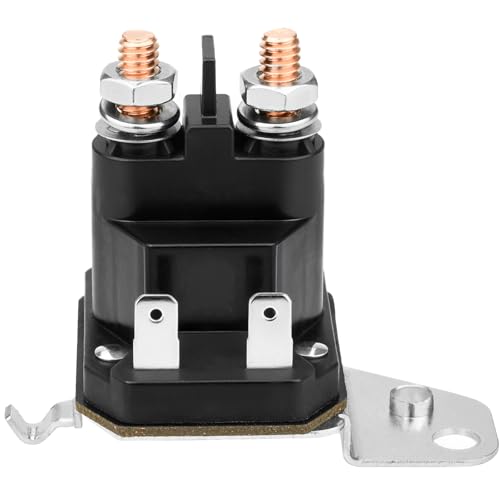
Compatible Models: 12V starter relay solenoid compatible with Cub Cadet XT1 XT2 Enduro RZT LT1 ZT1 ZT2 MTD Troy Bilt Yard Man Husky Yard Machines Craftsman Zero Turn riding lawn mower tractor. Compatible with Cub Cadet MTD Troy Bilt 725-06153A 725-06153 762-1261-211-50 762-1261-211-51.
Stale Fuel and Fouled Plugs: Fixes for Hard-Starting Engines

Still cranking without catching? You’ve likely got stale fuel degrading in your tank. Perform a complete fuel drain, flush the lines, and refill with fresh gasoline.
Next, conduct a spark plug inspection—remove the plug and examine the electrode. A fouled spark plug coated in carbon or oil deposits causes hard starting; replace it if you spot damage or wear beyond the gap specification in your manual.
Don’t overlook your air filter—pull it out and hold it to the light. If it’s clogged with debris, you’ve found another airflow restriction choking combustion. Clean or replace the filter.
Once you’ve addressed stale fuel, fouled spark plug, and air filter issues, verify your battery charge and deck engagement, then attempt ignition.
Recommended Products


Electric Husqvarna Won’t Wake Up? Sleep Mode and Charger Locks
When’s the last time your battery-powered mower saw action? Your Husqvarna riding mower likely entered sleep mode after its battery dropped roughly 40% during inactivity. You’ll need to wake it up: press and hold the START button for 10 seconds. If that fails, connect your electric mower to its charger and charge continuously—up to 48 hours may be required for full reactivation.
Check for charger lock conditions. Disconnect the charger before attempting startup; you can’t start the mower while it’s plugged in. Verify you’ve disengaged the electric parking brake lock by moving the lever left when a warning symbol appears.
For persistent start-up issues, lift the cutting deck to disengage any safety interlock, then attempt starting with the deck raised.
Recommended Products

Great Product
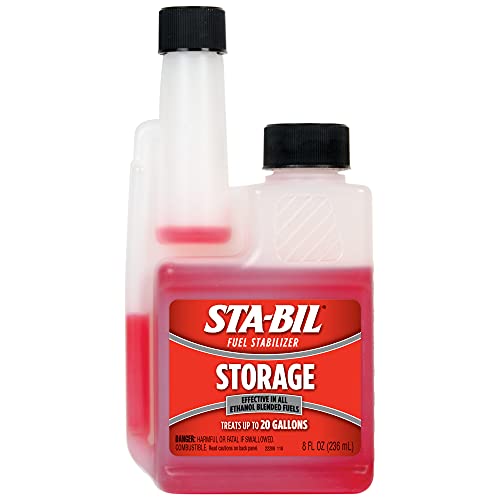
PRESERVES FUEL: This fuel stabilizer ensures keeps gasoline fresh for up to 24 months for storing vehicles that are not in use, boats, outdoor power equipment during winter months, or stocking up on fuel.

PRESERVES FUEL: This fuel stabilizer ensures keeps gasoline fresh for up to 24 months for storing vehicles that are not in use, boats, outdoor power equipment during winter months, or stocking up on fuel.
Blade Engagement and Safety Switches That Block Ignition
Even after resolving sleep mode or charger issues, your Husqvarna riding mower may refuse to start if the blade engagement system isn’t cooperating. Your mower’s safety switches monitor blade engagement and disable ignition when the cutting blade is engaged, preventing injury and blown start scenarios.
Check that you’ve disengaged the blade lever completely. A stuck or faulty blade engagement switch may falsely signal engagement, blocking ignition despite the lever position. Some models require both the blade switch and parking brake in safe, disengaged states before permitting startup.
Inspect the switch for debris or corrosion. Switch cleaning often restores proper contact. If the switch remains unresponsive after cleaning, or if wiring shows damage, you’ll need replacement. Test continuity with a multimeter to confirm the switch opens and closes correctly.
Recommended Products

Replace for B&S 004213, 613022, 695643, 697152, 697775, 698143, 797007, 794421 filter element.

Compatible with B-S: Model # 491588S 491588 4915885 399959 push lawn mower air filter, part # 4101 5043 5043A 5043D 5043H 5043K. Fit 3.5-6.5 hp quantum engines, 625e 675ex 725ex 625-675 series element

Replace Model #: 698083 697153 697634 795115 push lawn mower air filter, suitable 14 through 17.5 HP I/C, Intek, OHV and AVS engines.
DIY Fixes That Work: and When the Repair Shop Saves Money
Which fixes actually get your Husqvarna running without draining your wallet? You diagnose battery issues first: hold the START button for 10 seconds or connect your charger. If the battery remains unresponsive, charge continuously up to 48 hours to reactivate sleeping cells—you avoid starter replacement this way. Verify your deck interlock; raise the cutting deck fully or the ignition blocks. Engage your parking brake; the safety circuit prevents startup otherwise. For hard-start conditions, drain stale fuel and replenish with fresh gasoline. Remove and inspect your spark plug—clean or replace if fouled. These procedural steps cost little. When you face internal starter failure, seized components, or electrical faults beyond basic resets, you call the shop—complex repairs consume more money if you misdiagnose.
Recommended Products

ML-U1-CCAHR is a 12V 320 Cold Cranking Amps (CCA) Sealed Lead Acid (SLA) Battery.

LONGEVITY OVER 5 YEARS --- BCI Group U1 Battery Replacement, 12V 25Ah, 330A CCA Sealed Lead Acid AGM Battery. Dimensions: 7.68L x 4.92W x 6.93H inches, Maintenance Free. No spills, no leaks, and no water to check. Terminal: Left : Positive (+)-Red, Right: Negative (-)-Black.

√ Dimensions: Length 7.68 inches, Width 5.12 inches, Height 6.22 inches, Total Height 7.09 inches; Weight: 21.5 lbs, Terminal Type: Square Hole Nut and Bolt, NB, Nut and Bolt, J; The positive terminal is on the left side of the battery; Cold Cranking Amps: 200CCA; Terminal: Left : Positive (+)-Red, Right: Negative (-)-Black.
Conclusion
You’ve traced voltage drops, bypassed interlocks, and swapped fouled components—yet your Husqvarna still resists ignition. When systematic diagnostics exhaust your meter’s readings and the starter solenoid clicks dead, you’ve reached the threshold of shop-grade repair. Electrical faults beyond the harness, seized stators, or controller board failures demand specialized tools. Calculate part costs against diagnostic labor; sometimes surrendering to a technician preserves both your wallet and your weekend. Stop before you compound the failure.
Recommended Products

【117-1197 Starter Solenoid】12V 4-Terminal starter solenoid Compatible with Toro TimeCutter Exmark Zero Turn lawn mower. Replace Part # 117-1197 784-1221-210 104-3189 E513075 1-513075 212655 28-4210 47-1910.

532192507 Starter Solenoid replaces part #: Husqvrana Solenoid Part Number: 582042802, 192507, 5321925-07, 532192507, 582042801. Check Shape: 4-terminal design (2 top studs + 2 bottom spades). Different bracket/terminal = wrong purchase.
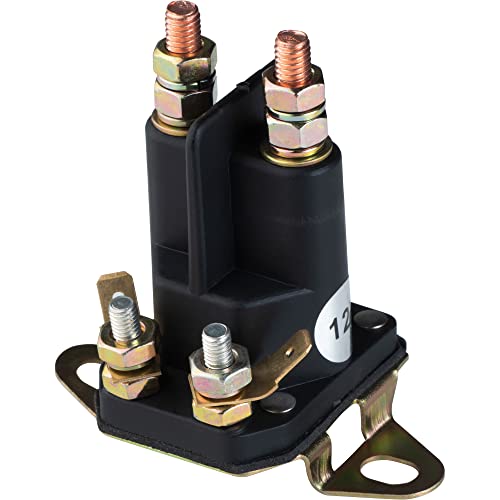
WIDE COMPATIBILITY: Husqvarna 532 10 90-81, 532 10 99-46, 532 14 61-54, 532 14 56-73; Craftsman 145673, 146154, 175141, 178861, 168327; Poulan 532145673, 145673, 146154; Gravely 044766, 045071; Simplicity 1685290, 1685291, 1686981, 1700751; Toro 110167, 28-4210, 47-1910; Troy Bilt 1752137, 1752137P, 1753539; Woods 03551000; Castle Garden 1873610010; Countax 4481480100