
You’ve spent seasons battling patchy grass, and you’re ready for something denser. Start with a soil test—it’ll tell you exactly what’s missing, not what you’ve guessed. From there, you’ll aerate, overseed, and time your nitrogen precisely. But there’s one mistake most homeowners make after all that effort that sends them back to square one by midsummer.
Test Your Soil First for a Thicker Lawn
Why start with soil when you want thicker grass? Because you can’t fix what you don’t measure. You’ll grab a soil test kit or contact your extension office to establish your baseline. Soil testing reveals exactly where your lawn care stands.
Your soil pH directly controls nutrient uptake. When pH drifts too low or high, nutrients lock up, and your fertilizer literally goes to waste. You’ll adjust with lime when results show acidity, or you’ll target other amendments for specific deficiencies. Test results steer every decision so you’re not guessing.
Repeat soil testing every two to three years. Track how amendments shift your numbers. You’ll watch lawn thickness improve as you correct imbalances. Dense, resilient turf starts underground, and you’ve got to know your dirt before you’ll grow it right.
Recommended Products

Quick, at home results for Soil pH, Nitrogen, Phosphorous and Potash Innovative and inexpensive soil test kit features an easy-to-use capsule system and patented color comparators

Quick, at home results for Soil pH

Kindly NOTE: This soil tester can not be applied to test pH value of any other liquid. If the soil is too dry the indicator will not move, and water it before testing.
Aerate Compacted Soil So Seeds Take Root
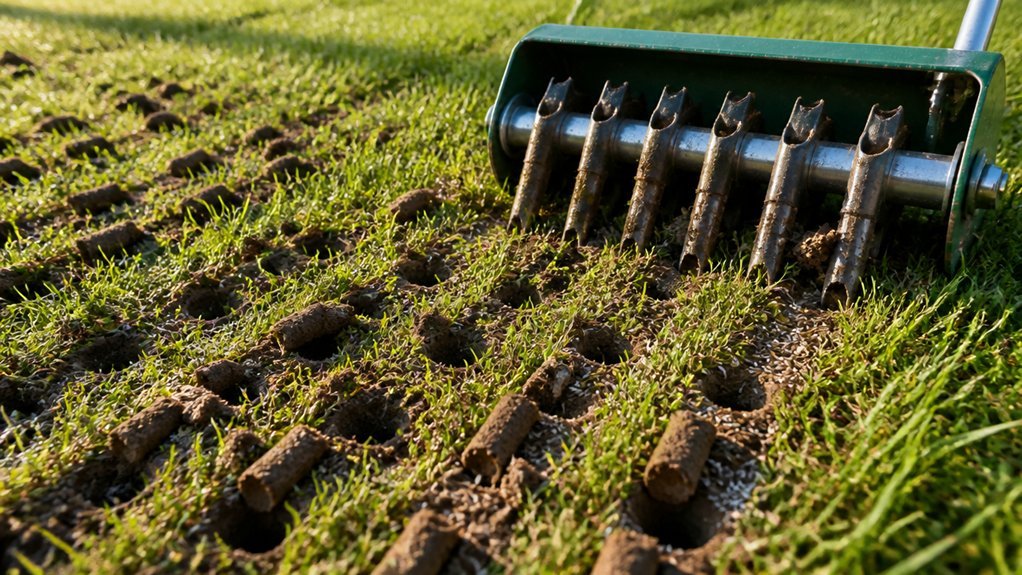
How else will seeds take root if roots can’t breathe? You can’t skip aeration when you’re tackling compacted soil. Core aeration pulls plugs from the ground, creating channels where air, water, and nutrients reach deep. This soil loosening gives you the foundation for serious lawn thickening.
You’ll want to handle thatch management first—dethatch if that layer’s too thick—so you maximize seed-to-soil contact later. Time your core aeration with proper growth seasons: hit early spring or fall for cool-season grasses, late spring or early summer for warm-season types. Annual aeration keeps your turf dense year after year. The holes left behind let you drop seed directly into loosened soil, boosting germination and root establishment. You’ll see measurable results when overseeding follows proper aeration—no fluff, just function.
Recommended Products
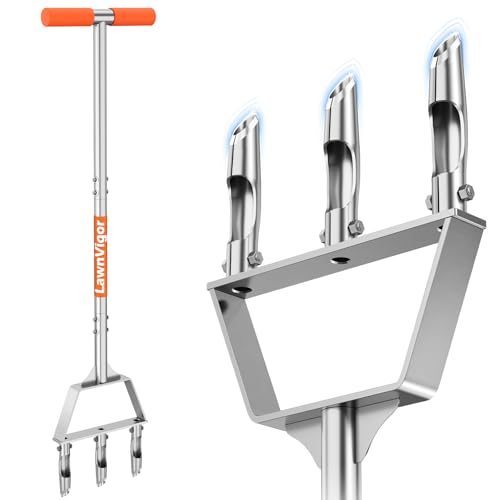
LAWN AERATOR FOR HEALTHIER LAWN GROWTH: Our manual lawn aerators promotes lush, green lawns by delivering essential air, water and nutrients deep into the soils. The lawn air aerator tool ensures healthier grass growth. (Note: Please water dry soil before use and do not rock, twist, or pry the tool side-to-side when it's in the ground.)

【4-Hole High Efficiency Core Aeration】 Punch 4 holes at once! This manual lawn aerator's unique 4 sharp hollow tines extract soil cores in a single step, dramatically speeding up aeration for small to medium yards. Covers more area faster than single-spike aerators or shoes, improving soil airflow, water drainage, and nutrient uptake.
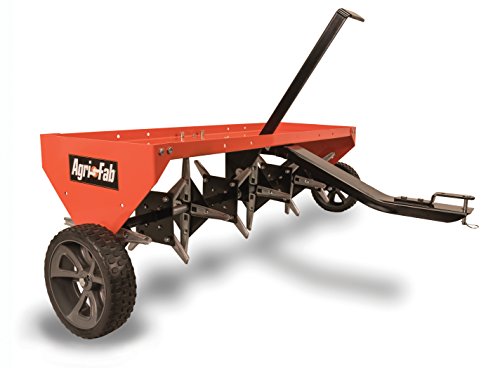
DEEP SOIL AERATION PERFORMANCE: Pulls plugs up to 3 in deep to improve airflow, water absorption, and nutrient penetration for stronger healthier lawn growth
Overseed at the Right Time to Thicken Your Lawn
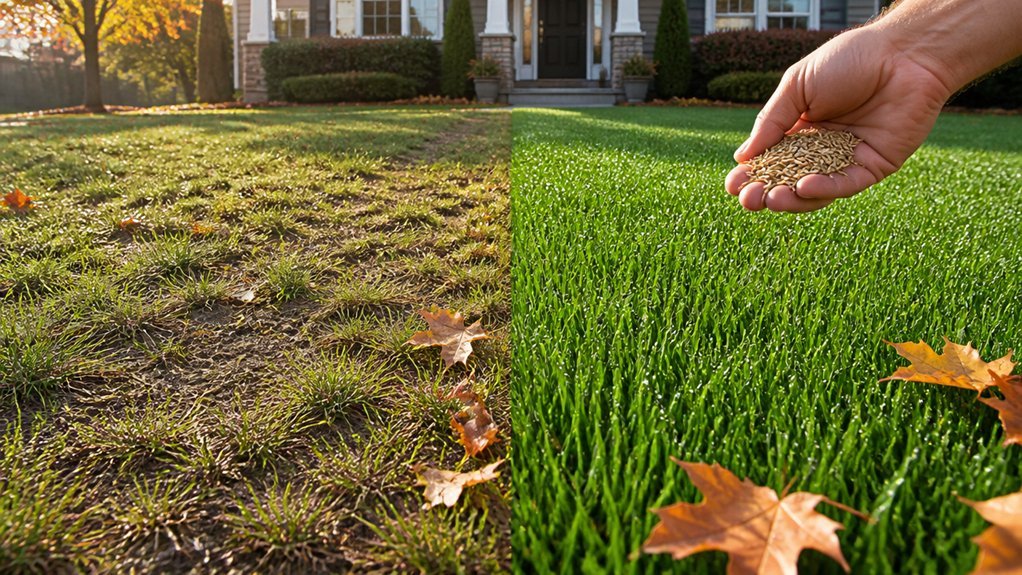
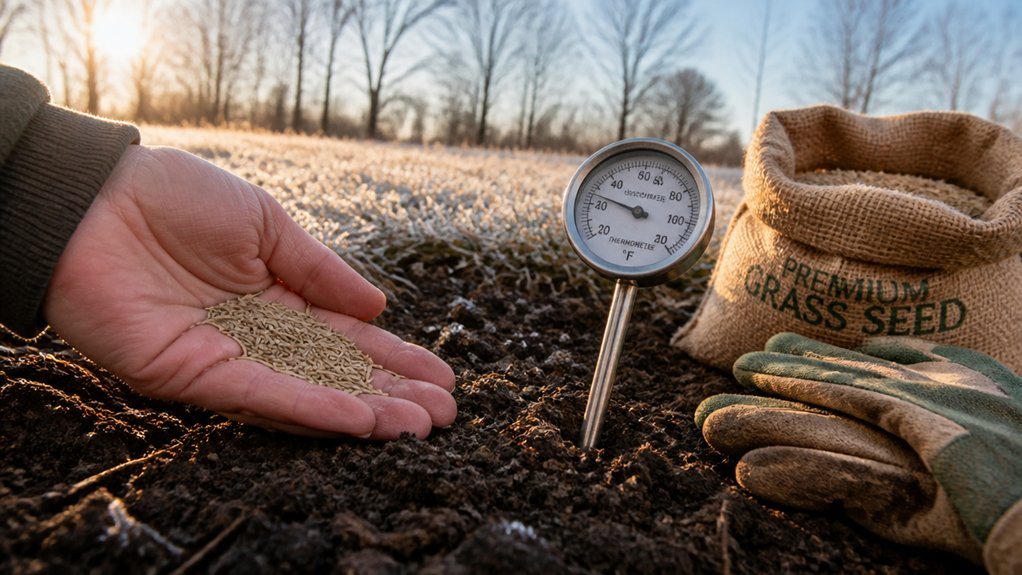
When exactly should you throw down seed if you want real results? Timing determines whether you’ll get a thick lawn or waste your money. For cool-season grasses, you’re targeting fall and spring when soil holds moisture and temperatures drop. Warm-season grasses demand late spring when the sun drives steady soil warmth.
Overseeding demands precise lawn preparation. Mow below your usual mowing height, bag clippings, and rake vigorously. You need direct seed-to-soil contact—loosen the surface so seeds aren’t stranded on thatch.
Select your seed variety deliberately. Shade-tolerant cultivars belong under trees; drought-hardy types handle open sun. Match your region’s stressors.
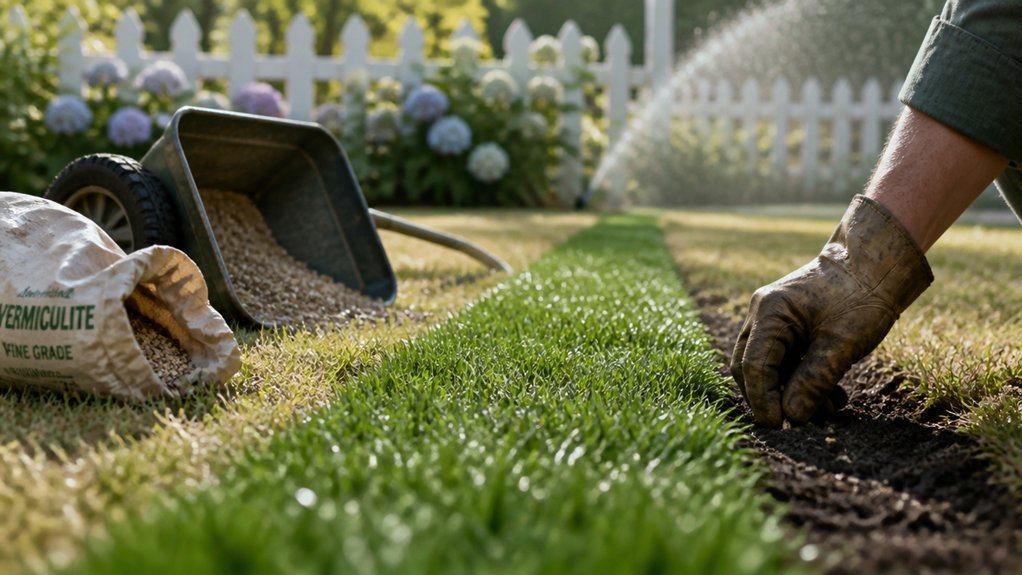
Post-seeding, you’re managing germination air/water management daily. Water once or twice depending on weather until new blades hit mowing height. Miss this window, and you’ll thin out instead of thicken up.
Recommended Products

Deep-Clean Dethatching with 19 Sharp Tines- Clear More, Clog Less, Grow Faster! This 15" extra-wide thatch rake head with 19 closely spaced steel tines (0.7" apart) digs deep to tear out thatch, moss, dead grass, and even weed roots without clogging or slowing you down. Whether you're clearing winter buildup in spring or prepping soil for fall seeding, it pulls more in fewer passes to help your lawn breathe, grow stronger, and look better- fast.

[Ergonomic Design] The lawn thatch rake effectively deals with layers of thatch, fallen leaves, and branches on your lawn. This allows grass to absorb more air and sunlight, promoting growth while keeping your yard tidy. Ample leverage is provided by the metal handle, making your lawn work effortless and minimizing back strain during use

Effortless, Ergonomic Lawn Thatch Removal: Professional thatch rake features a heavy-duty head and an extended, adjustable stainless steel handle. This design drastically reduces back-breaking bending and strain, allowing air, water, and nutrients to penetrate deep to the roots for a lush, healthy lawn all year round
Time Your Fertilizer for Steady, Thick Growth
Where does steady thickness actually come from? It comes from precise fertilizer timing that matches your lawn growth cycles. You’ll align your fertilization schedule with grass type: feed cool-season grasses in early spring or fall, and warm-season grasses in late spring or early summer.
Apply a balanced, slow-release fertilizer to sustain nitrogen release for up to four months. This steady growth approach prevents surge-and-crash cycles. When overseeding, use blends like Pennington Full Season Lawn Fertilizer 32-0-5 to fuel new seedlings without burning tender roots.
Base your strategy on soil tests to determine exact application rates and avoid over-fertilization that triggers thatch buildup and runoff. Premium slow-release formulas maintain soil vitality while delivering consistent nutrition. You’ve got to time it right—your thick lawn depends on it.
Recommended Products

These fast growing grass seeds are suitable for areas that receive 4 to 6 hours of daily sunlight

SUN AND SHADE GRASS SEED: This combination lawn seed, grass fertilizer, and soil improver thrives in a variety of conditions
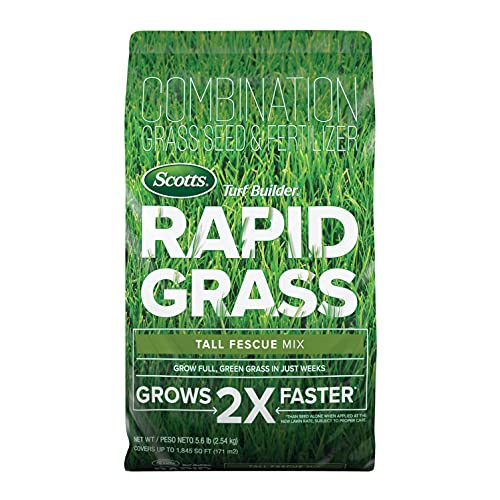
FAST GROWING GRASS SEED MIX: Scotts Turf Builder Rapid Grass Tall Fescue grass seeds for lawns grows grass 2X faster than seed alone (when applied at the new lawn rate, subject to proper care)
Water Deeply and Set Your Mower High
Why settle for shallow roots when you can train your grass to dig deep? You’ll encourage deep root growth through deep watering. Apply about one inch weekly, delivering it in a single soak watering session of 45–60 minutes rather than brief sprinkles. This saturates the soil profile thoroughly. Adjust your watering schedule to execute early morning watering, minimizing evaporation and disease pressure.
Simultaneously, you’ll optimize mower height to support your thickening lawn. Maintain mowing height at 2–3 inches for most warm-season grasses, preserving long blade height to shade roots and reduce stress. You’ll cut no more than one-third of the grass blade per pass and keep sharp mower blades on your equipment. Clean cuts heal faster, preventing moisture loss and disease entry.
Recommended Products

Liquid Lawn Fertilizer Booster: Iron and Nitrogen Blend. Lawn Energizer booster provides essential nutrients needed to darken the green of your lawn

Complete NPK Lawn Food: 16-4-8 is the perfect blend of key macronutrients. This lawn liquid food turf fertilizer also contains Seaweed & Fish.

WHERE TO USE: Lawn fertilizer for grass can be used on any grass type
Stop Weeds and Bugs Before They Spread
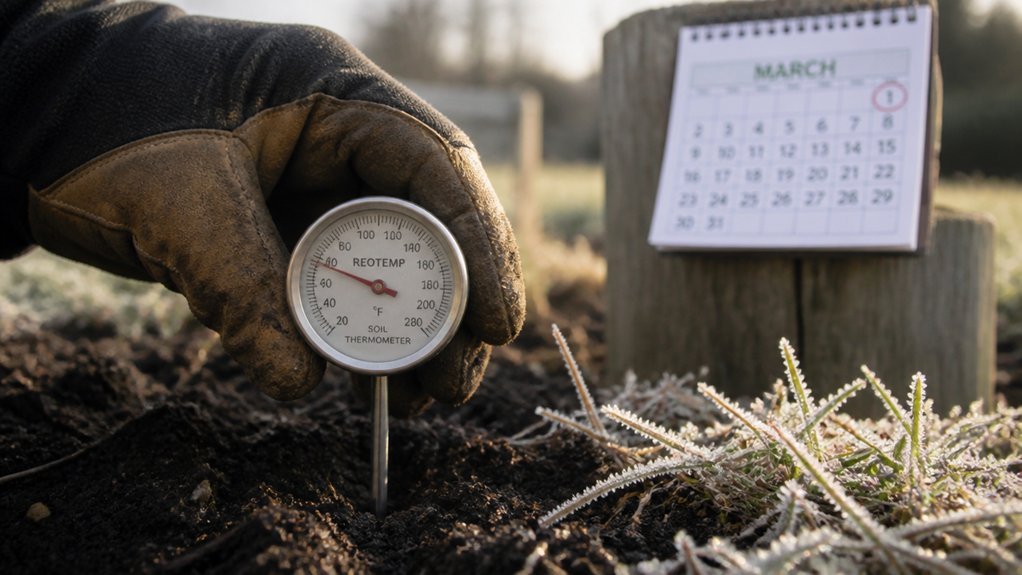
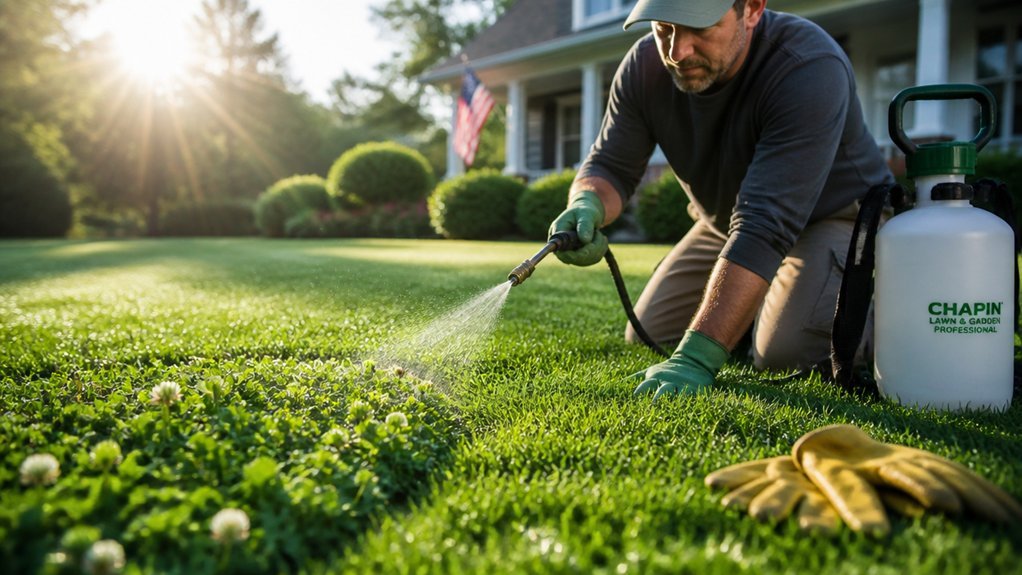
How soon will weeds claim territory your grass hasn’t defended? Start weed control early. Apply pre-emergent herbicide in spring before soil temperatures hit 55°F—this stops crabgrass and foxtail before they germinate. Spot-treat with post-emergent herbicide only when broadleaf weeds appear, but don’t rely on chemicals alone.
Strong lawn care outcompetes invaders. Maintain proper mowing height—taller blades shade soil and block weed seeds. Balance fertilization and irrigation to build dense turf that crowds out pests. Schedule dethatching when thatch exceeds half an inch; follow with aeration to improve chemical penetration and root depth.
Don’t skip pest and disease monitoring. Watch for dollar spot or large patch—stressed turf invites weeds. Address problems fast. You’re building a defensive system, not just fighting symptoms.
Recommended Products

Quick, at home results for Soil pH, Nitrogen, Phosphrous and Potash

KNOW BEFORE YOU GROW | Grow the healthiest, sustainable lawn and garden with the most accurate and easy to use professional soil test kit on the market

PROFESSIONAL-GRADE ACCURACY: Engineered specifically for soil pH testing, delivering results quickly (in about 60 seconds). With a 3rd Generation, 3-pad ph tester strips design, our soil ph test kit ensures consistent, repeatable results for all your lawn, landscape and garden needs.
Conclusion
You’ll thicken your lawn by testing your soil first, then adjusting pH and nutrients accordingly. Aerate compacted areas so roots and seeds penetrate deeply, and overseed at peak times for your grass type. Fertilize with slow-release formulas timed to active growth, water deeply but infrequently, and mow high—never cutting more than one-third of the blade. Stay ahead of weeds and pests with pre-emergent controls and regular monitoring for lasting density.
Recommended Products

【TRUE CORE AERATION FOR HEALTHIER LAWNS】This manual lawn aerator removes soil plugs to relieve compaction at the root level. By creating open channels beneath the surface, it improves airflow, water penetration, and nutrient absorption—supporting thicker and stronger grass growth over time

【NO MORE MESSY PLUGS】 Tired of scattered soil plugs on your lawn? Jardineer updated core aerator lawn tool is designed with a built-in collection tray that automatically catches soil plugs as they are ejected. This keeps your yard tidy and saves you the back-breaking work of secondary cleanup, allowing you to focus on enjoying your beautiful, pristine garden

【4 Detachable & Replaceable Tines】: Engineered with unique removable hollow coring tines that make cleaning soil plugs effortless and completely prevent clogging. Unlike fixed-tine aerators that become useless if a single tine bends, this manual core aerator features a detachable design that allows you to easily replace individual damaged parts, extending the lifespan of your core aerator lawn tool significantly.