
Moss in your lawn signals conditions your grass can’t tolerate—compact soil, poor drainage, weak light, or low fertility. You’ve likely tried raking it out only to watch it return within weeks. The fix isn’t a single product; it’s correcting the environment that favors moss over turf. You’ll need to assess your site’s specific failures before any treatment works. What you discover about your soil and shade will determine whether your moss problem disappears or persists.
Understand Why Moss Took Over Your Lawn
Why does moss dominate your lawn while grass falters? You’re witnessing a competition that moss wins when conditions favor its biology. Moss thrives in environments where turfgrass collapses—specifically where drainage problems persist, waterlogging root zones and starving grass of oxygen. You’re likely dealing with compacted soil that’s destroyed pore space, eliminated drainage, and created impenetrable barriers to grass roots. Your soil pH compounds this: when you’ve got acidic conditions, nutrients lock up and grass weakens, but moss exploits this gap effortlessly. You’ve got bare patches, patchy turf, and thin stands because you’ve mowed too short and skipped aeration. These structural failures aren’t surface-level—you’re seeing symptoms of degraded soil ecology. Fix these underlying conditions first. You can’t spray your way out of systemic lawn failure.
Recommended Products


Scotts MossEx in an easy-to-use shaker jug kills moss without harming your lawn

Kills lawn moss quickly
Cut Shade and Thin Trees to Stop Moss Growth
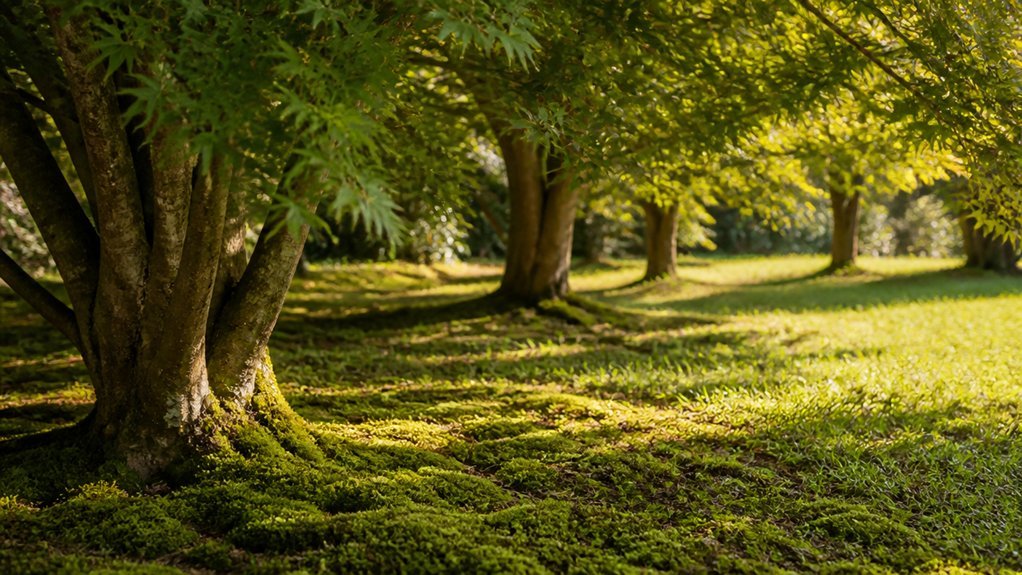
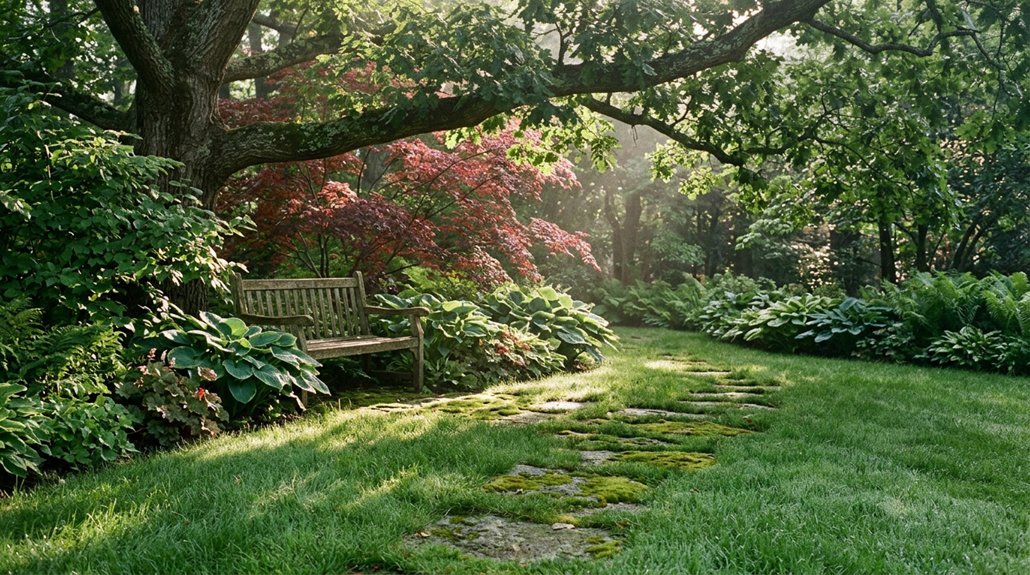
Where does your lawn lose the battle against moss first? You’ll find moss growth thriving in the shadowed zones beneath dense canopies. Execute shade reduction through thinning trees to boost sunlight exposure and strengthen turfgrass competitiveness. Remove the least essential branches in stages—this preserves tree health while improving light penetration. Target selective cuts that open the canopy without destabilizing structure. Space branches to allow direct sun hours to reach the lawn surface consistently. You’ll notice improved grass density as sunlight exposure increases, naturally suppressing moss colonization over successive growing cycles. Post-thinning, monitor moss regrowth patterns closely. Adjust mowing height, fertilization timing, and drainage maintenance to protect the emplaced light conditions you’ve established for sustained turf dominance.
Recommended Products

Deep-Clean Dethatching for a Healthier Lawn - Built to remove thick thatch, moss, dead grass, and hidden lawn debris, this dethatching rake helps your grass breathe better and absorb more sunlight, water, and nutrients. The 19 closely spaced, 5-inch long steel tines reach below the lawn surface for deeper cleaning in fewer passes, making it ideal for spring cleanup, fall seeding prep, and restoring tired lawns.

【Dual-Sided 19-Tine Head for Dethatching & Cultivating】:This dethatcher rake features a 15-inch wide dual-sided head with 19 curved steel tines. One side functions as a thatcher rake for lifting and removing dead grass and surface buildup, while the other side helps loosen topsoil and cultivate the lawn surface. The wide head covers more ground with each pass, making lawn care more efficient.
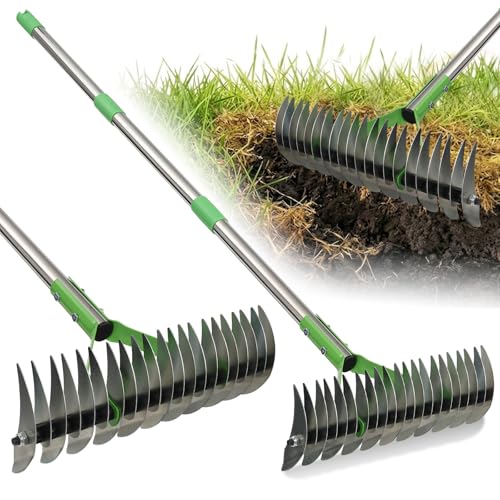
Deep Dethatching to Help Revive Thinning, Matted Lawns - This thatch rake features a 13" wide head with 21 sharp carbon steel tines and 0.6" spacing to pull up thick thatch, dead grass, moss, and compacted debris more effectively. It helps open the lawn surface so air, water, and nutrients can reach the soil more easily-especially useful for spring lawn cleanup, patch repair, and overseeding prep.
Rake Out Moss and Dethatch Your Lawn First
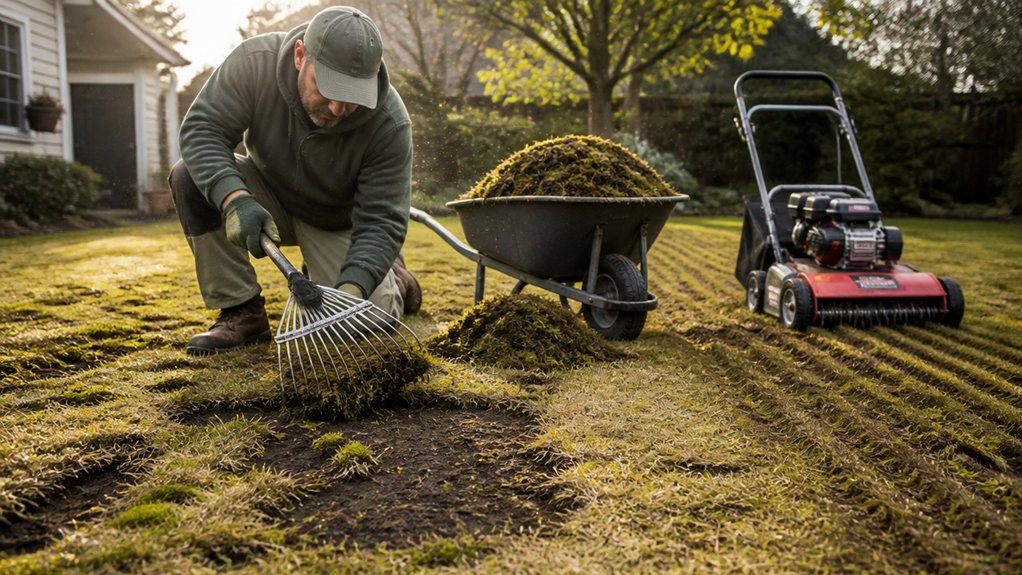
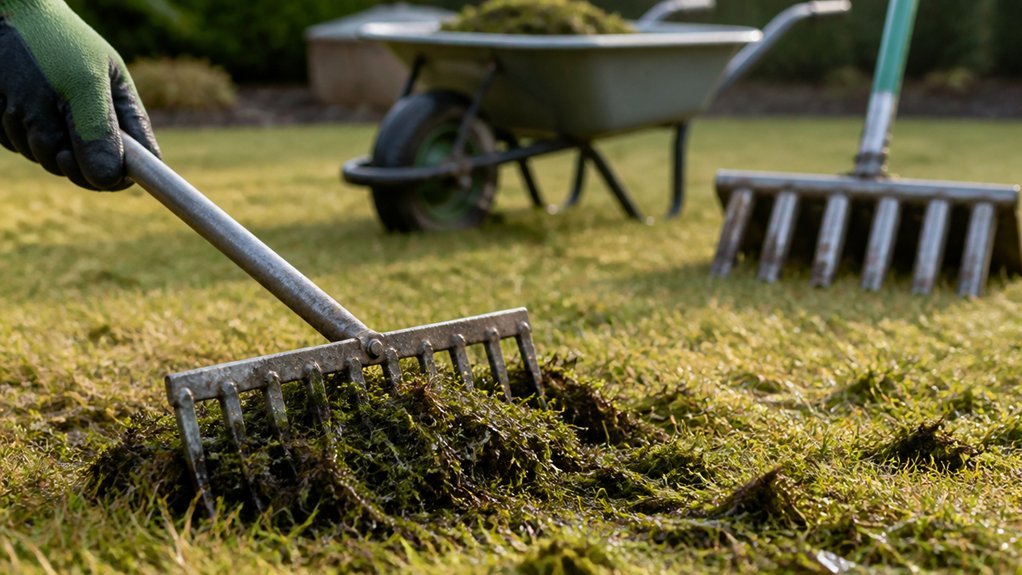
Once you’ve opened the canopy and sunlight begins reaching the turf, you’ll need to remove existing moss before it reestablishes. Start rake-out immediately, as moss is shallow-rooted and pulls up easily with a garden rake. You’ll break its connection to the soil and clear patches efficiently, especially after prior scarifying or soil loosening.
For extensive infestations, use dethatching to strip moss down to bare soil. This restores air and water access to the turf below, correcting the anaerobic conditions that favored moss growth. Hand raking remains feasible for small areas and prepares the soil for subsequent steps.
Rake-out temporarily reduces moss cover while creating optimal conditions for re-seeding or composting. This mechanical removal is essential lawn care—you’ll eliminate established colonies and prime the area for deeper interventions, ensuring your efforts aren’t undermined by remaining fragments.
Recommended Products
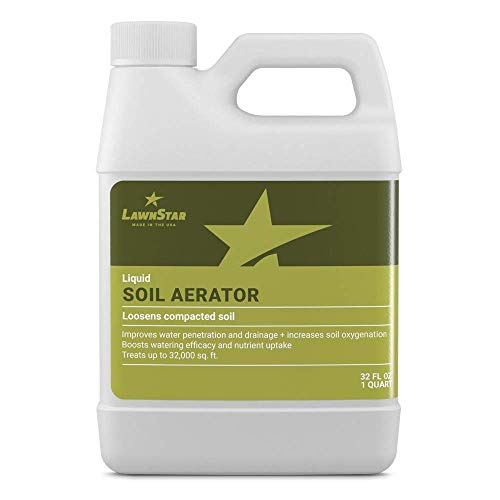
EASY-TO-USE ALTERNATIVE: Tired of mechanical aeration? So were we. Our liquid soil loosener takes all of the stress for you and provides a cost efficient alternative to core and mechanical aeration.

Soft Soil Liquid Aerator & Lawn Treatment is a top-level treatment for compacted soils. Compacted soils cause standing water because the water is not able to permeate the soil down to the roots. Soft Soil breaks apart compacted soil, so air & water can penetrate, thus improving the health of the lawn & achieving a greener, healthier & more beautiful lawn & grass.

【Preparation Before Aeration】:Before using the Saker lawn aerator, trim the lawn and check soil moisture. Soft soil allows easier penetration and helps the tool deliver optimal aeration results for healthier grass.
Choose and Apply the Right Moss Killer
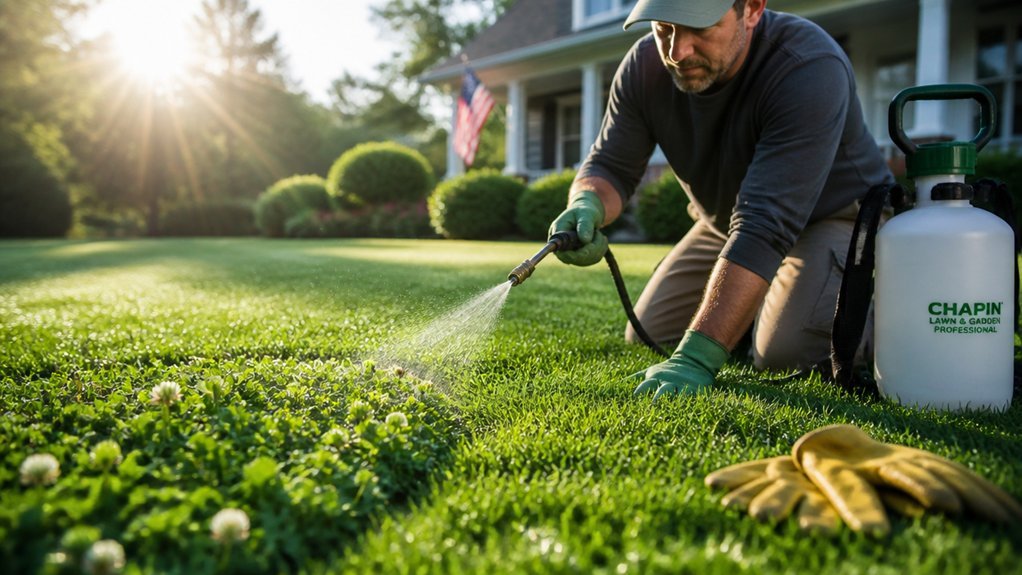
How effectively you eliminate moss depends largely on selecting the appropriate chemical control. Most moss killer formulations contain ferrous sulphate, available as standalone products or combined with weed control and fertilizer. You’ll apply granular products using a lawn spreader for uniform coverage across damp soil when heavy rain isn’t forecast.
Alternatively, use diluted liquid moss killer applied via watering can or garden sprayer, adhering strictly to safety protocols on packaging labels. For optimal penetration in heavily infested areas, scarify first to thin moss layers. After application, you’ll observe moss turning black within two to three weeks.
Rake out dead material promptly to prepare the surface for reseeding or mowing operations.
Recommended Products

Kills moss and thickens grass to fill in bare spots

Kills moss and thickens grass to fill in bare spots

2 PACK FOR LARGE LAWN COVERAGE - Includes two 20 lb bags, each covering up to 5,000 sq ft—ideal for larger lawns or repeat applications.
Time Your Moss Treatment for Maximum Effect
The effectiveness of your moss killer hinges on timing it with the right conditions. You’ll optimize moss killer timing by targeting periods of active moss growth, typically during wet or shaded seasons when moss metabolizes aggressively and absorbs applied products efficiently.
Verify that damp soil conditions exist before application, as moisture facilitates chemical penetration into moss tissues. Monitor weather conditions closely, selecting fair days without imminent heavy rainfall that would dilute or wash away the treatment. You’ll scarify or loosen moss beforehand to expose surfaces and improve uptake.
Apply evenly using a lawn spreader or diluted liquid tools. Wait two to three weeks as the moss turns black, then rake thoroughly. This precise scheduling ensures maximum chemical efficacy and prepares the lawn for subsequent recovery steps.
Recommended Products

WHERE TO USE: Lawn fertilizer for grass can be used on any grass type

FERTILIZER FOR NEW LAWNS: Scotts Turf Builder Starter Food for New Grass is a specially formulated starter fertilizer for grass seed that is designed to be used when planting new grass
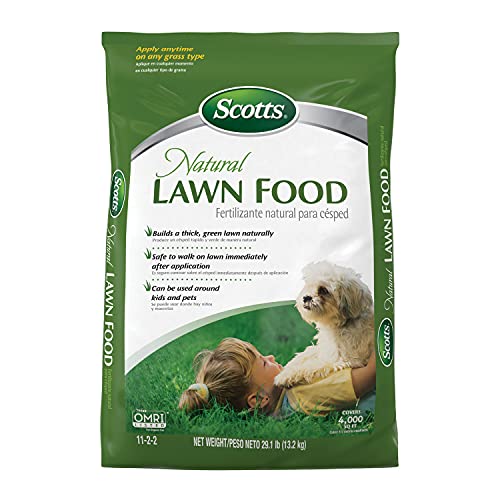
Scotts Natural Lawn Food builds a thick, green lawn - naturally
Aerate Soil and Improve Drainage
Why does moss keep returning despite your treatments? You’ve likely addressed the symptom but not the cause. Soil compaction creates an anaerobic environment where turfgrass roots suffocate while moss thrives. You need aeration to break up thatch and dense soil layers.
Pull cores from the lawn when it’s dry to mildly moist. These plugs relieve soil compaction and create channels that improve drainage, reduce surface runoff, and restore gas exchange in the root zone. You’ll help grass outcompete moss for water and nutrients.
Topdress with compost immediately after aeration. You’ll fill the holes, enhance soil structure, and support deeper root penetration.
Schedule aeration annually or biannually. You’ll maintain soil porosity, sustain proper drainage, and anchor long-term moss control by eliminating the compacted conditions that invite reinfestation.
Recommended Products

Kills moss quickly - see results in hours

20% Soluble Iron Plus 12% Sulfur: Single-ingredient ferrous sulfate heptahydrate (FeSO4-7H2O) delivers iron in the Fe2+ form plants take up directly, supporting chlorophyll production and green, vigorous foliage

Improves soil health, lawn health, plant health, and reduce the use of fertilizers
Reseed Bare Patches and Maintain Healthy Turf
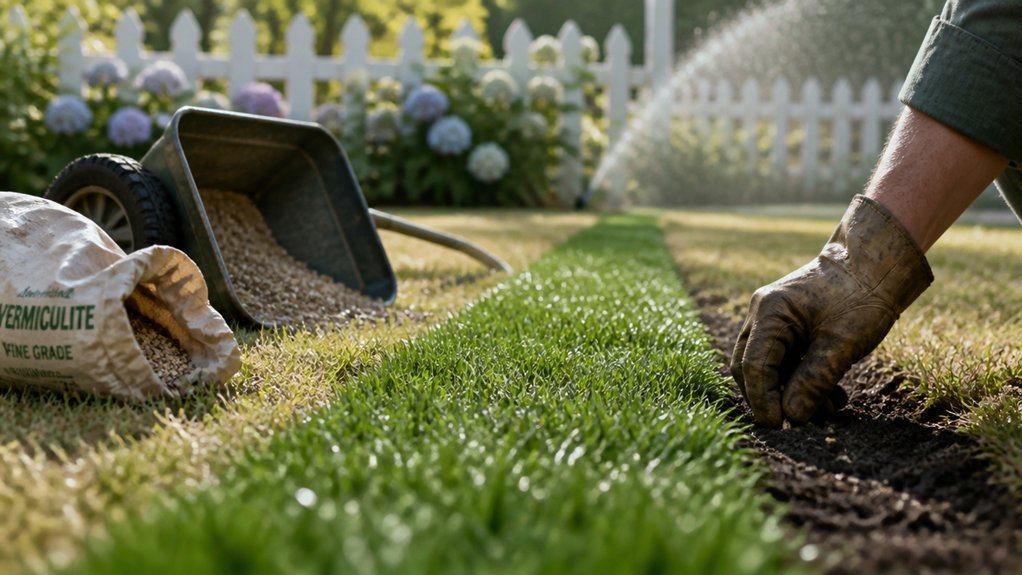
Once you’ve opened up compacted soil, you need to fill those spaces with competitive vegetation rather than leaving them open for moss recolonization. Reseed bare patches immediately with region-appropriate grass seed. In the Pacific Northwest, select shade-tolerant cultivars that establish vigorously and resist moisture stress where moss grows. Mix seed with compost to improve soil texture and deliver nutrients for rapid germination. Overseed thin areas beyond bare patches to increase turf density and reduce future invasion points. Apply light, frequent irrigation to maintain consistent seedbed moisture until establishment. Fertilize regularly with balanced formulations and monitor soil pH to sustain healthy turf. Dense, vigorous grass outcompetes moss for light, water, and nutrients, preventing recurrence without chemical intervention.
Recommended Products

Labor-Saving Wheels: The thatch rakes for lawns with wheels design reduces the load on both arms. With just a push and pull handle, the wheels and teeth can be responsible for clearing dry grass and debris from the lawn.The wheels help you clear thatch more efficiently while protecting your body from unnecessary strain. Reducing the need to bend over and making lawn care less strenuous.

Deep-Clean Dethatching with 19 Sharp Tines- Clear More, Clog Less, Grow Faster! This 15" extra-wide thatch rake head with 19 closely spaced steel tines (0.7" apart) digs deep to tear out thatch, moss, dead grass, and even weed roots without clogging or slowing you down. Whether you're clearing winter buildup in spring or prepping soil for fall seeding, it pulls more in fewer passes to help your lawn breathe, grow stronger, and look better- fast.

Effortless, Ergonomic Lawn Thatch Removal: Professional thatch rake features a heavy-duty head and an extended, adjustable stainless steel handle. This design drastically reduces back-breaking bending and strain, allowing air, water, and nutrients to penetrate deep to the roots for a lush, healthy lawn all year round
Conclusion
You’ve diagnosed your lawn’s underlying issues, reduced shade, and mechanically removed moss. You’ve applied targeted moss control, optimized timing, and improved soil structure through aeration. Now you’ll reseed bare areas and maintain proper moisture and pH. Consistent monitoring prevents reestablishment. Your technical approach—addressing drainage, compaction, and light—creates conditions where turfgrass outcompetes moss. Execute these steps precisely, and you’ll establish resilient, moss-resistant lawn ecology.
Recommended Products

1.Reinforced Square-Tube Step Creates a Stable Power Point: The thickened square-tube foot bar offers a firm contact surface for applying concentrated downward force. Its rigid profile helps keep the aerator steady underfoot, giving you controlled leverage when penetrating compacted soil and dense lawn areas.

SOFT SOIL LIQUID AERATOR: Soft Soil Liquid Aerator & Lawn Treatment for compacted soils where water is not able to permeate the soil down to the roots. Soft Soil breaks apart compacted soil so air & water can penetrate, thus improving the health of the lawn & achieving a greener, healthier & more beautiful lawn & grass.

Breaks Up Hard, Compacted Soil – Allows roots to grow deeper and stronger for a lush, vibrant lawn.