
You face a common dilemma: your gutters need clearing, but you’d rather not climb a ladder. Ground-level cleaning offers a viable alternative when you select proper tools and follow systematic procedures. You’ll need to assess your gutter height, debris type, and equipment reach before committing to this method. The approach demands precision—work from the downspout outward, control your tools carefully, and recognize when professional intervention becomes necessary. Your safety depends on understanding these limits from the start.
How to Clean Gutters From the Ground: Methods Overview
Why risk a ladder fall when you can clear your gutters from solid ground? Gutter cleaning from below eliminates height hazards while maintaining system efficiency through proven debris removal techniques.
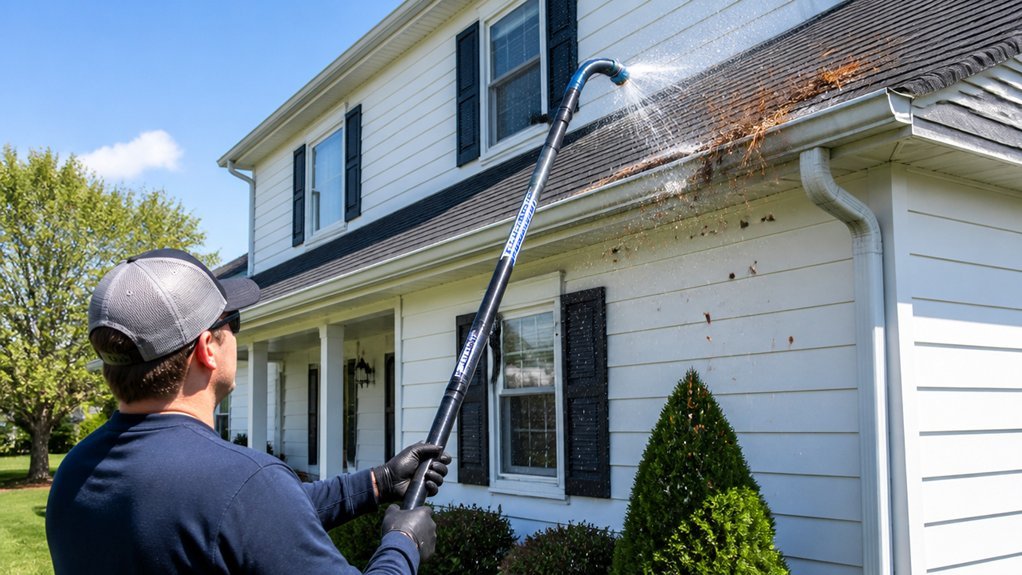
You’ll execute ground-level gutter cleaning using four established methods. First, you’ll direct a high-pressure nozzle upward into gutters while positioned near downspouts, flushing material toward opposite ends. Second, you’ll deploy leaf blowers to push dry debris along gutter channels toward downspouts—optimal for lighter accumulations. Third, you’ll operate wet/dry vacuums fitted with extendable hoses, suctioning debris systematically as you traverse gutter lengths. Fourth, you’ll manipulate ground-level tools including gutter tongs, wands, and 4–5 foot extendable poles with specialized attachments, extracting debris through controlled manual operation.
Each method demands precise positioning at downspout proximity, systematic progression along gutter runs, and appropriate tool selection based on debris composition and moisture content.
Recommended Products

Fits: 2-1/2 in. shop vac gutter cleaning attachment for industrial-grade wet/dry vacuum. Attention: For 2-1/2 in. Vacuum Hoses only. NOT for use with hoses UNDER 2-1/2 inch. Confirm Your shop vac hose diameter first

TELESCOPING POLE: This wand easily extends from 40 in. to 70 in. making those hard-to-reach rain gutters easy to clean.

Gutter Cleaning Tools from the Ground: Say goodbye to dangerous ladder work and embrace the convenience with our innovative shop vac attachments. Vacuuming or blowing debris and dry leaves from gutters easily
Essential Tools for Ground-Level Gutter Cleaning
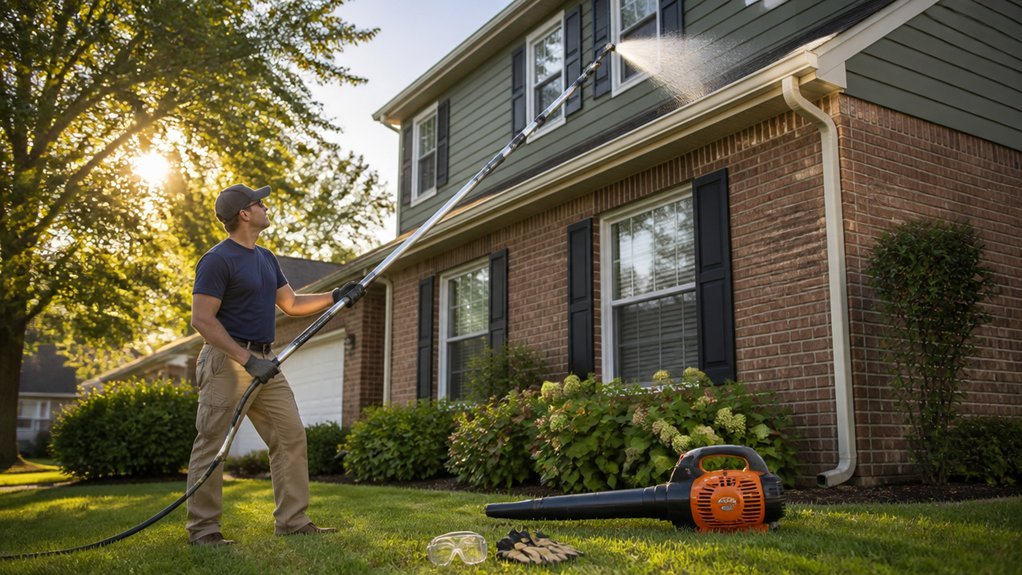
Ground-level gutter cleaning demands specialized equipment that extends your operational capability while you remain firmly planted. You’ll deploy a gutter vacuum equipped with wide side inlets, flexible hoses, tipping capability, and bottom drainage—features that let you extract debris from two-story systems without climbing. Secure carbon fiber poles for solo operations; choose aluminum when working with a partner. Mount an inspection camera to your pole for real-time gutter visualization and capture before/after documentation for quality control. You’ll attach angled nozzles and connectors to accelerate debris extraction and optimize suction efficiency. Integrate camera systems into your ground-level cleaning workflow to verify results and maintain service records. As a professional gutter cleaner, you’ll select each component methodically, ensuring your setup delivers reliable, efficient performance across varied residential configurations while eliminating fall exposure entirely.
Recommended Products

Package: Include 7 pack 15" high quality pressure washer wands, 30°, 90° and U shape curved wands, 6 different sizes nozzle tips and 10 replacement rings.

SAFE AND EFFECTIVE: No more unsafe ladders or unnecessary crawling when cleaning; Spray away debris in hard to reach areas that are higher or lower than standing height; Save the extra effort and get the job done quicker

PRESSURE WASHER GUTTER ATTACHMENT: Max working pressure is 4000 Psi. Made of quality stainless steel and brass, the gutter cleaner attachment is very balanced to use with extension wands.
How to Clean Gutters From the Ground With a Garden Hose

If you’re working with a garden hose, you’ll direct a high-pressure nozzle upward into the gutter channel while maintaining firm footing at ground level. This approach lets you clean gutters from the ground without ladder deployment, reducing fall risk significantly.
Position yourself near the downspout to optimize hydraulic flow. You’ll guide loosened debris systematically toward the opposite end. Move the hose in controlled side-to-side sweeps along the entire gutter length to flush out leaves, sediment, and small obstructions effectively.
This method excels at dislodging loose, water-soluble debris in accessible single-story or low-profile gutter systems. Unlike a pressure washer, a garden hose generates sufficient force without damaging seams or fasteners. You’ll achieve thorough, ladder-free results through disciplined, sequential section cleaning, ensuring complete channel clearance without structural compromise.
Recommended Products

Precise Compatibility: Specifically engineered to compatible with EGO leaf blower tools only. This gutter cleaning tool is fully compatible with blower models: LB5300/LB5302, LB5750, LB5800, LB6150/LB6151, LB6500/LB6504, LB6700/LB6703, LB7650/LB7654, and LB8800/LB8803-2. Attention: Only fits the specified models above; not compatible with LB4800 model
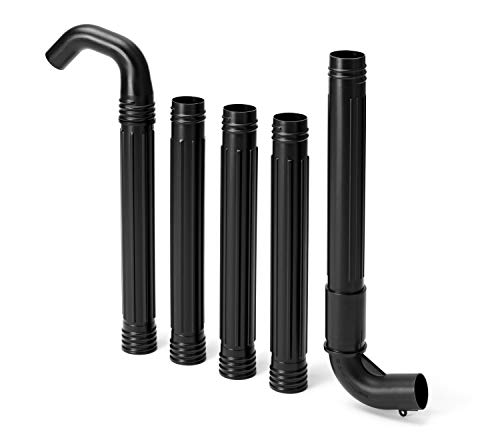
Includes one Husqvarna Leaf Blower Gutter Attachment Kit for Husqvarna 125B and 125BVX handheld leaf blowers
How to Clean Gutters From the Ground With a Leaf Blower
How effectively can you clear dry debris without water or ladders? You’ll achieve optimal results using a leaf blower as your ground-safe technique for gutter maintenance.
Position yourself near the downspout and direct the leaf blower along the gutter length, pushing dry debris toward the outlet. Maintain high air velocity to dislodge leaves, pine needles, and small twigs without saturating or clogging the ground below. Work systematically from the downstream end to the upstream to prevent kicked-back debris from reblocking the downspout.
Secure both feet on solid ground and avoid overreaching; you’ll minimize balance loss risks. Wear eye protection and a dust mask, and detach any nearby loose items that projectiles from the blowing air could propel. This method ensures efficient, debris-free gutters while you remain safely grounded.
Recommended Products

【Carbon Fiber Material】Compared with aluminum, carbon fiber has higher strength and rigidity. Our extension poles are made of carbon fiber material which can providing super high strength and durability, preventing bending and breaking under heavy pressure or harsh environments.

【Carbon Fiber Material】Compared with aluminum, carbon fiber has higher strength and rigidity. Our extension poles are made of carbon fiber material which can providing super high strength and durability, preventing bending and breaking under heavy pressure or harsh environments.

Gutter cleaning tools
How to Clean Gutters From the Ground Using a Wet/Dry Vacuum
Using a wet/dry vacuum equipped with a gutter cleaning kit or extended hose lets you extract wet leaves, compacted sludge, and stubborn blockages while keeping both feet firmly on the ground. You’ll attach a specialized gutter cleaning accessory or long hose to your wet/dry vacuum, then position the unit near the downspout and insert the hose into the gutters. Move the hose systematically along the gutter length to suction debris and blockages, targeting wet or stubborn material with precision. Select a model with a wide side inlet and strong suction to extract debris efficiently from two-story reach with minimal ladder use. Combine vacuuming with other ground-level cleaning methods as needed to loosen compacted debris and clogs. Manage drainage and debris disposal safely after vacuum-assisted cleaning to prevent ground contamination.
Recommended Products

Inspect Gutters, Roofs & Ceilings Safely From Ground Level: The telescoping pole extends from 16" to 69" — no ladders needed. The 8" flexible gooseneck tip angles around corners while the 4.5" IPS display shows real-time HD video. Record photos and voice memos to the built-in 32GB storage.

5" HD SCREEN & DUAL-LENS FLEXIBILITY – This endoscope camera with light features a 5-inch HD screen with a 170° wide-angle view, delivering vivid real-time visuals. The dual-lens borescope camera with light allows instant switching between front and side views, making it a versatile inspection camera for automotive, plumbing, and HVAC diagnostics. Note: The endoscope cannot take pictures and videos!
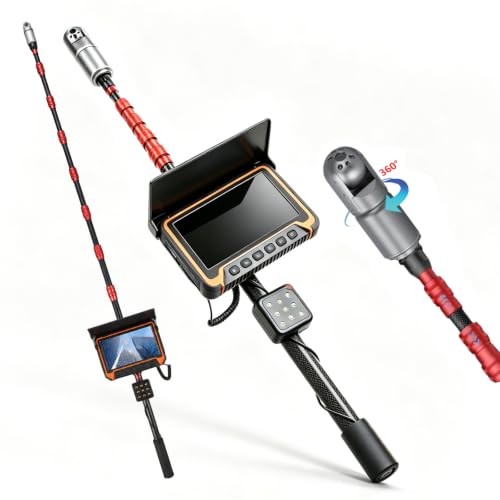
3M Lightweight Carbon Fiber Pole: The 3M/9.8Ft extendable carbon fiber pole easily reaches rooftops, deep drains and cramped hard-to-access areas. It eliminates the need for ladders and dangerous confined space entry, greatly reducing fall and suffocation risks. Lightweight and sturdy, it supports single-hand operation for long-time comfortable inspection.
How to Choose Extension Poles and Attachments That Work
Several key factors determine whether your extension pole system performs reliably or fails mid-task, so you’ll want to evaluate material composition, joint integrity, and attachment compatibility before purchasing.
Select extension poles in 4–5 foot sections; choose carbon fiber for solo ground-level cleaning when minimizing fatigue matters, or aluminum when durability and cost efficiency outweigh weight concerns for team operations.
Inspect interlocking joints and locking mechanisms thoroughly—you’ll prevent dangerous slippage by verifying positive engagement before each use.
Specify attachments with angled nozzles or curved end fittings engineered for gutter geometry; these enable precise corner and downspout access without ladder deployment.
Prioritize modular systems accepting vacuum or spray attachments, converting one pole into multiple ground-level cleaning tools.
You’ll maximize operational efficiency and minimize equipment expenditure through standardized, multi-functional configurations.
Recommended Products

EXTENDED REACH FOR HARD-TO-GET SPOTS: This vacuum hose extension reaches gutters, staircases, attics, and ceilings without dragging the vacuum unit around, turning tight, awkward cleanups into a one-position job. A long vacuum hose built for garage vacuum, car detailing vacuum, and gutter cleaning tools use around the home, garage, or shop.
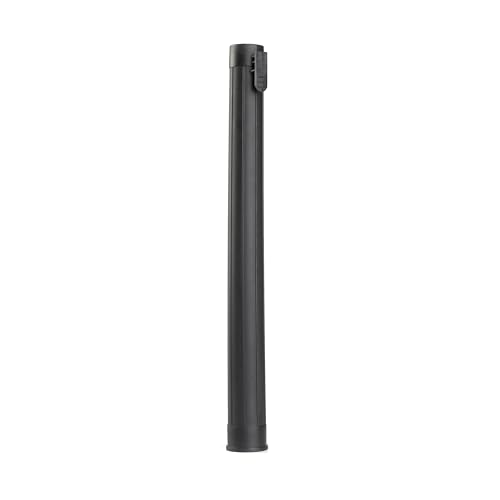
Wet dry vacuum extension wand fits most shop vacuums equipped with a 1-7/8-inch diameter hose and works with 1-7/8-inch vacuum accessories
How to Build a DIY Gutter Cleaner on a Budget
While commercially engineered extension poles offer proven reliability, you can fabricate a purpose-built gutter cleaner from standard PVC components at a fraction of the cost. Source PVC fittings, a curved sink trap, and a telescoping pole to build your DIY gutter cleaner for under $50–$100. Construct the assembly by attaching the curved sink trap to the pipe end, creating an angled head that aligns precisely with gutters from ground level. Secure all joints with adhesive or clamps to prevent structural failure during operation. Incorporate adjustable length sections to customize reach for your specific gutter height and downspout proximity. Pair this apparatus with a wet/dry vacuum to enable suction-assisted debris extraction, particularly effective for saturated clogs. Consult verified online tutorials for assembly sequences and field-tested configurations before commencing construction.
Recommended Products

Pressure washer gutter cleaner attachment includes 1-piece power washer gutter cleaner, 2-pieces red nozzle tips (0 degree), 2-pieces white nozzle tips (40 degree)

LATEST 30°, 90° ,120° CURVED ROD DESIGN: Available in 3 different ways to spread water, the curved rod is more convenient to be used the out-of-reach areas. This gutter cleaner kits is 4.3 pounds, is weighter than others.

★【Premium Quality】The product is made of high-quality brass and wear-resistant stainless steel, which is sturdy and difficult to use, does not leak easily, and has a long service life.
How to Stay Safe Cleaning Gutters From the Ground
Why compromise your safety when ground-level methods eliminate ladder-related falls entirely? Gutter cleaning from ground requires strict adherence to safety precautions that protect you from debris hazards and equipment malfunctions.
You’ll don protective equipment before starting: puncture-resistant gloves shield your hands from sharp debris, impact-rated eye protection guards against dislodged particles, and slip-resistant footwear maintains stable footing on varied terrain. Ground-level tools demand your full attention—wet/dry vacuums, telescoping gutter cleaning poles, and leaf blower attachments extend your reach without elevating your risk.
You must inspect all equipment prior to operation. Check electrical cords for fraying, verify pole locking mechanisms engage securely, and confirm nozzle attachments fit tightly. Maintain situational awareness of your surroundings to prevent trips over hoses or uneven ground. Systematic equipment maintenance ensures reliable performance throughout your cleaning operation.
Recommended Products

【Compatible with DeWalt 20V MAX Battery】The Gutter Blower Compatible with dewalt 20V lithium-ion batteries , Giving professionals who already own a DEWALT 20V Max battery the flexibility to use their preferred battery. (Pay Attention! Tool only)

WIDE RANGE OF APPLICATIONS: AGC1000 Gutter Cleaning Attachment Kit for EGO 530CFM / 580CFM / 575CFM / 650CFM/ 615CFM/LBX6000 Leaf Blowers, Compatible with LB5300, LB5750, LB5800, LB6150, LB6500, LB6700, and LB7650 blower models.

Replacement part number: AGC1000
When Ground-Level Cleaning Won’t Work: Recognizing Your Limits
Where exactly does your reach end when ground-level tools can’t finish the job? You must recognize the limits of ground-level cleaning when debris becomes wet or compacted, preventing suction tools and blowers from extracting buildup completely. Persistent clogs after multiple passes signal you’ve encountered a hard physical boundary. Multi-story homes or gutters blocked by overhanging branches create reach limitations that vertical access alone can solve. You can’t assess concealed roof edge damage or clear blind downspout obstructions from below. Visible debris remaining after thorough attempts indicates ground-level cleaning has failed. At this point, you face a decision: accept incomplete results or assume ladder/height risks. Uneven terrain or crowded surroundings compound these dangers, making professional intervention the safest, most reliable path when your systematic ground efforts prove insufficient.
Recommended Products
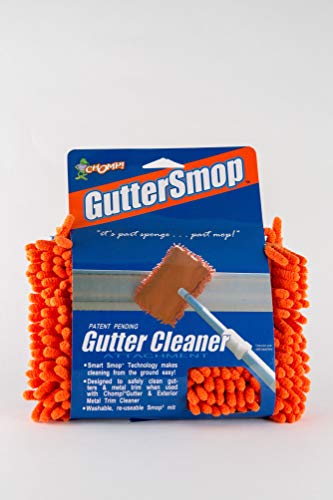
BUILT FOR THE JOB: Quickly removes dirt, debris and unsightly stains caused by algae and oxidation

【Carbon Fiber Material】Compared with aluminum, carbon fiber has higher strength and rigidity. Our extension poles are made of carbon fiber material which can providing super high strength and durability, preventing bending and breaking under heavy pressure or harsh environments.

1. Lightweight Carbon Fiber Reach Built with carbon fiber tubing for a stiff, easy-to-handle extension pole that feels lighter than traditional metal poles during overhead cleaning, dusting, and painting.
Ground-Level Gutter Cleaning Equipment: Budget vs. Professional Options
How do you select equipment that matches your operational scope without overspending on capabilities you’ll never deploy? You evaluate your property’s height, debris volume, and frequency of maintenance. For residential applications, budget options suffice: aluminum poles paired with standard wet/dry vacuums deliver adequate suction for single-story systems. You’ll extend reach through 4–5 foot modular sections, though you’ll battle flex and fatigue during prolonged operations.
When you manage multi-story structures or commercial portfolios, you invest in carbon fiber poles for rigidity and reduced operator strain. You mount inspection cameras to poles for damage assessment without elevation exposure. Professional-grade gutter cleaning equipment incorporates specialized vacuum systems, angled nozzles, and rapid-connect attachments that accelerate debris extraction. You deploy ground-level systems strategically, matching capability to demand while maintaining fall protection protocols.
Recommended Products

4.3" Color Screen & 1080P HD Image: This borescope camera with light features a 4.3-inch IPS display with 1080P resolution, a 70° wide-angle lens, 180° rotation, and 2x zoom. No Wi-Fi, app, or smartphone pairing required — it’s ready to use right out of the box. Note: This inspection camera does not support photo or video recording.

4.3" Color Screen & 1080P HD Image: This borescope camera with light features a 4.3-inch IPS display with 1080P resolution, a 70° wide-angle lens, 180° rotation, and 2x zoom. No Wi-Fi, app, or smartphone pairing required — it’s ready to use right out of the box. Note: This inspection camera does not support photo or video recording.

4.3" HD SCREEN & DUAL-LENS FLEXIBILITY – This endoscope camera with light features a 4.3-inch HD screen with a 170° wide-angle view, delivering vivid real-time visuals. The dual-lens borescope camera with light allows instant switching between front and side views, making it a versatile inspection camera for automotive, plumbing, and HVAC diagnostics. Note: The endoscope cannot take pictures and videos!
Conclusion
You’ve now mastered ground-level gutter cleaning through multiple validated methods. Deploy your garden hose for wet debris removal, your leaf blower for dry material extraction, or your wet/dry vacuum for controlled suction operations. Construct DIY attachments when budget constraints exist, but never compromise your respiratory protection, eye defense, or base stability. Recognize structural limitations immediately—when reach proves insufficient or damage requires direct inspection, you’ll engage qualified professionals without hesitation. Proper tool selection and systematic execution ensure debris elimination while maintaining zero fall exposure.