
You need to nail your pre-emergent timing, and most people don’t. Soil temperature—not your calendar—dictates when crabgrass germinates or poa annua sneaks in. Miss the window by a week, and you’re fighting weeds all season. The good news is you’ve got clear signals to watch for.
What Pre-Emergent Does (and Can’t Do)
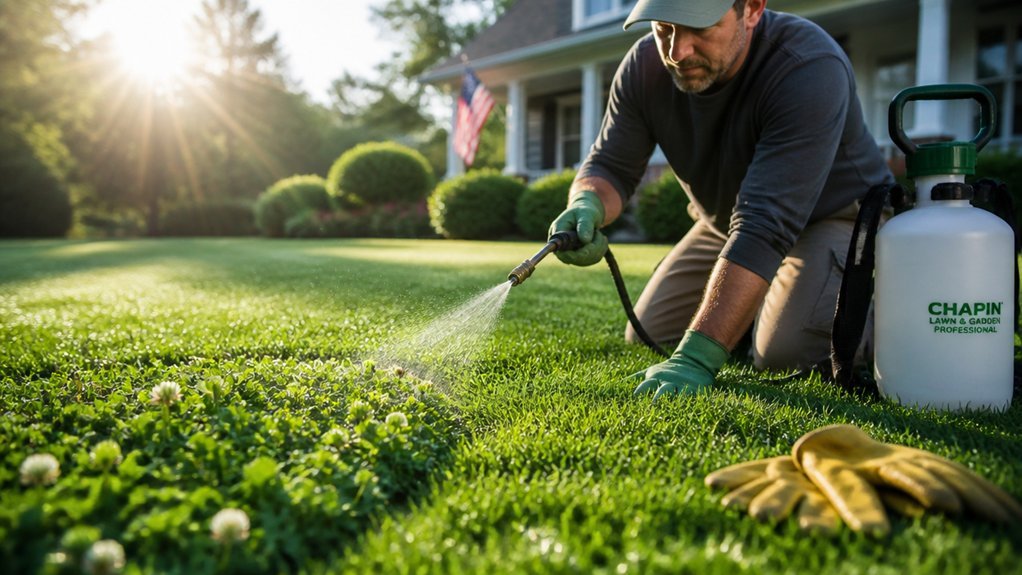
Pre-emergent herbicides work by intercepting weed seeds before they germinate, forming a chemical barrier in the soil that disrupts root formation and stops emerging seedlings from establishing. You can’t use them against existing weeds; you’ll need post-emergent products for those.
In your lawn care program, you’re integrating these tools, not choosing one over the other.
Your application timing hinges on matching pre-emergent deployment to when weed seeds begin germination, which varies by weed lifecycle and region. You won’t rely on soil temperature alone—you’re also targeting early spring for summer annuals and late summer for winter species. You’ll overlap pre-emergent protection with mowing, fertilization, and post-emergent strategies. You’re building redundancy into your approach because no single tactic delivers complete control.
Recommended Products
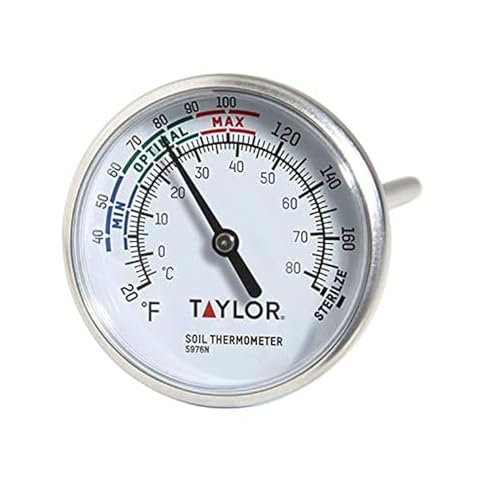
PRECISE SOIL TEMPERATURE READINGS: Measures soil temperatures from 20 degrees F to 180 degrees F (0 degrees C to 80 degrees C) with a large, easy-to-read analog dial face - no batteries or digital screens needed for reliable results every time

Easy-to-read green, yellow, and red tick marks for easy monitoring

Monitor soil temperature for healthy seeding, planting and gardening
How to Time Pre-Emergent by Soil Temperature

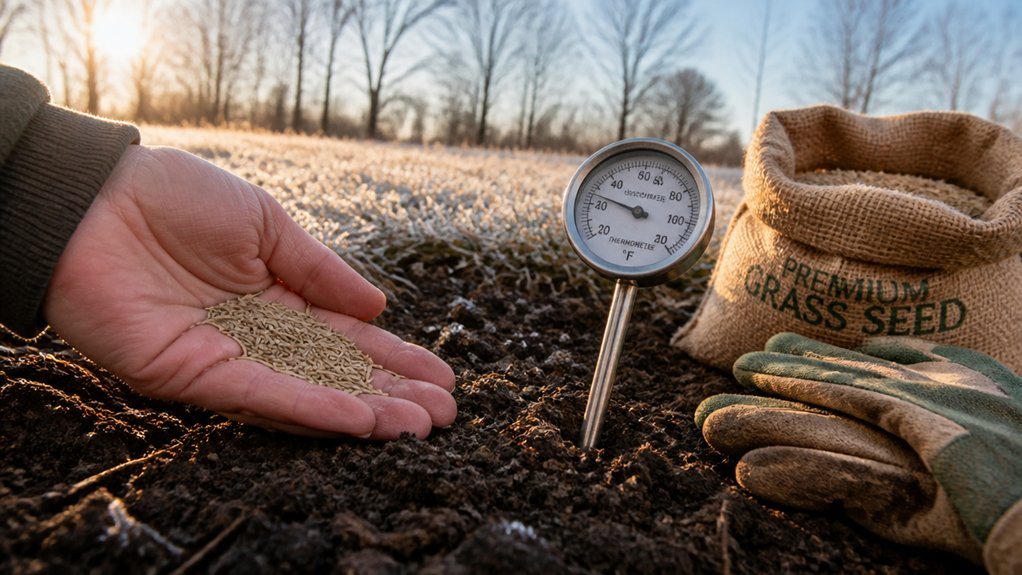
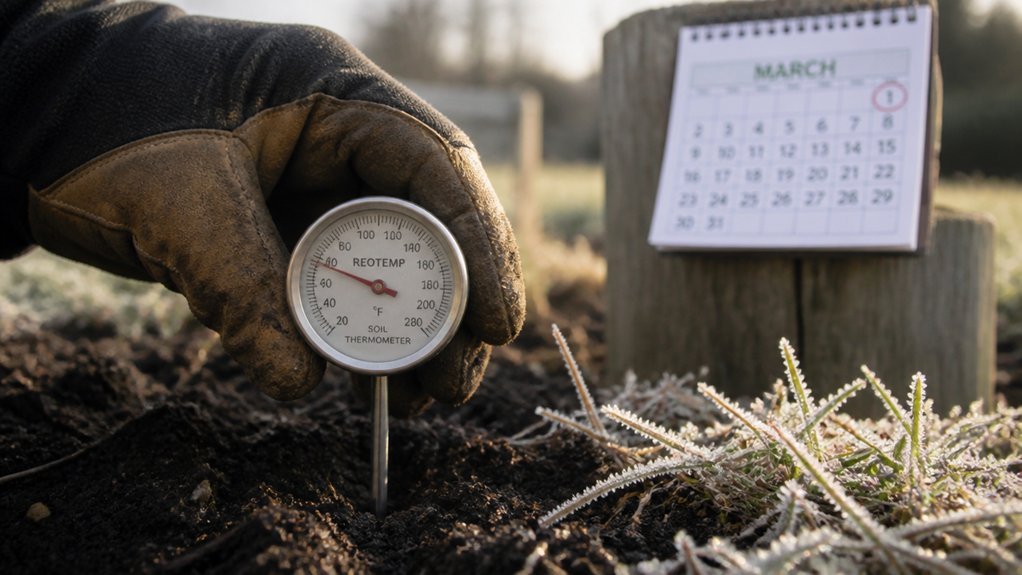
How precisely should you gauge the moment to deploy your pre-emergent barrier? You’ll measure soil temperature with a soil thermometer and initiate pre-emergent timing when readings consistently hit 53–55°F for several consecutive days in spring—this threshold precedes critical weed germination. In fall, you’ll apply when soil temperature drops below 70°F to establish barrier weed control against cool-season invaders. You’ll disregard calendar dates; regional variation demands you consult local soil temperature maps and microclimatic conditions. You’ll never apply before germination begins, as the chemical requires activation by moisture and proper soil contact. If reseeding is planned, you’ll observe the label-specified reseeding interval to prevent seedling suppression. Precise soil temperature monitoring transforms reactive maintenance into predictive management.
Recommended Products

One application prevents crabgrass all season long

Designed to prevent weeds; will not aid in eliminating existing weeds. Prevents grassy and broadleaf weeds, including crabgrass, poa annua, goosegrass, henbit, and more.

Mesotrione, a potent herbicide, immediately absorbs and starts working upon application, yet it may take 2-3 weeks for full weed death. Activation requires water; if no rainfall occurs within 10 days, apply 0.15 inches of water.
Spring or Fall? Match Pre-Emergent to Weed Life Cycles

When should you deploy pre-emergent controls to interrupt weed life cycles? You’ll match your pre-emergent application to each weed’s germination period.
For spring, you’ll target crabgrass as soil temperatures hit 53–55°F for several consecutive days; this pre-emergent application blocks seeds before they emerge.
For fall, you’ll shift focus when soil temperatures drop below 70°F, addressing poa annua and other cool-season invaders.
You’ll establish a below-soil barrier that arrests germinating seeds, so you’ll never apply over visible weeds.
You’ll monitor local soil temperatures and weather patterns to pinpoint your prudent window.
In most regions, you’ll schedule two pre-emergent treatments annually—spring and fall—to disrupt the full weed life cycle.
This dual-timing strategy dramatically reduces large infestations across seasons.
Recommended Products

Effective Pre Emergent Solution: Our 0-0-7 Prodiamine granular pre-emergent is a reliable barricade pre-emergent herbicide designed to prevent a variety of weeds, including crabgrass. This crabgrass killer for lawns ensures a pristine, weed-free lawn environment.


How Much Water Activates Pre-Emergent
Once you’ve matched your application timing to weed life cycles, you’ll need to activate the chemical barrier properly. Pre-emergent activation demands precise soil moisture: you’ll require 0.5 inches of irrigation or rainfall within 21 days after application. This post-application water isn’t optional—it’s essential for forming a complete germination barrier beneath the surface.
Watering in dissolves the herbicide and binds it to soil particles, creating the chemical shield that prevents weed seeds germination. In non-irrigated areas or drip zones, you’ll need to track activation timing carefully, applying ahead of anticipated rainfall. Don’t rely on precipitation alone; plan your irrigation requirement deliberately. Your germination barrier simply won’t function without adequate soil moisture. Monitor weather patterns and execute irrigation promptly to ensure full activation.
Recommended Products

WEED PREVENTION: Scotts Halts Crabgrass & Grassy Weed Preventer prevents the germination of listed lawn weeds so you can enjoy your lawn

WEED PREVENTION: Scotts Halts Crabgrass & Grassy Weed Preventer prevents the germination of listed lawn weeds so you can enjoy your lawn

WEED PREVENTION: Scotts WeedEx Prevent with Halts is a weed control product that prevents the germination of listed lawn weeds so you can enjoy your lawn
Why You Can’t Seed After Applying Pre-Emergent
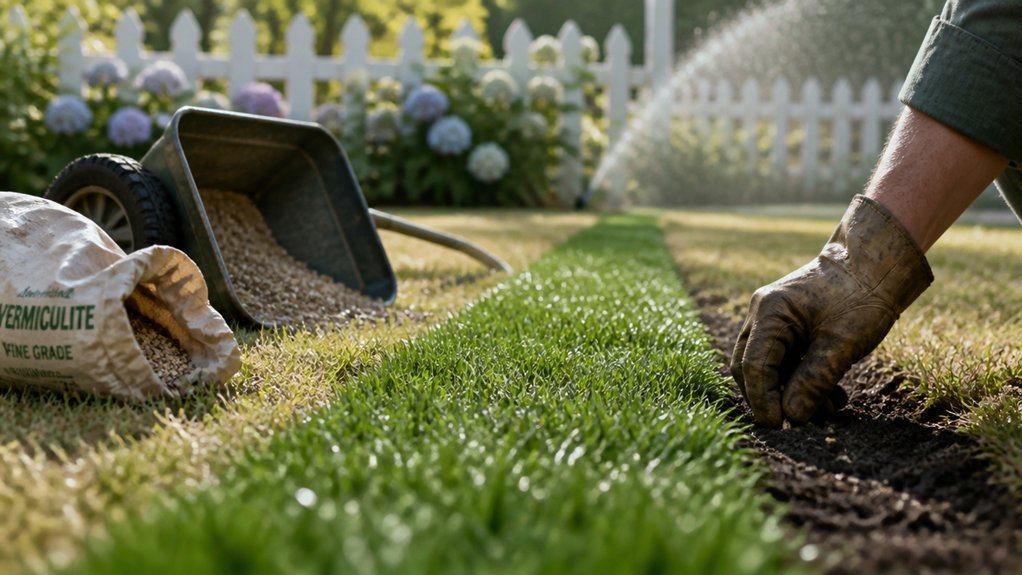
Why risk wasting your seed investment? When you apply pre-emergent, you create a chemical barrier in the soil that inhibits germination of weed seeds. This barrier doesn’t discriminate—it blocks your desired grass seed too. You’ll defeat your reseeding efforts because the same mechanism stopping crabgrass prevents turf establishment.
Most labeling mandates waiting 4–6 months before reseeding. Ignore this, and you’ll watch bare spots fill with weeds while your seed fails. Soil temperature drives this process; warm soils accelerate barrier degradation, but you can’t rush it.
If spring timing forced your hand, check your product’s labeling—some formulations permit limited reseeding windows. Fall pre-emergent applications complicate overseeding plans further. You’re balancing weed control against lawn recovery, and the pre-emergent always wins unless you respect the interval. Plan your timing, or pay twice.
Recommended Products
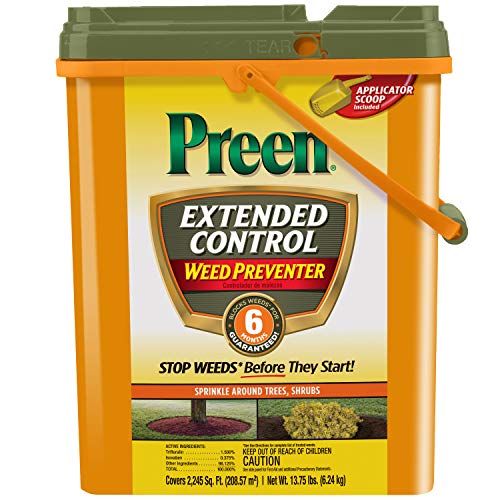
COVERAGE: Preen Extended Control 13.75 lb. drum provides comprehensive pre emergent weed control for up to 2,245 sq. ft. of garden space, providing prevention against over 125 unwanted weeds for large garden areas, landscaped spaces, and established plantings throughout your property
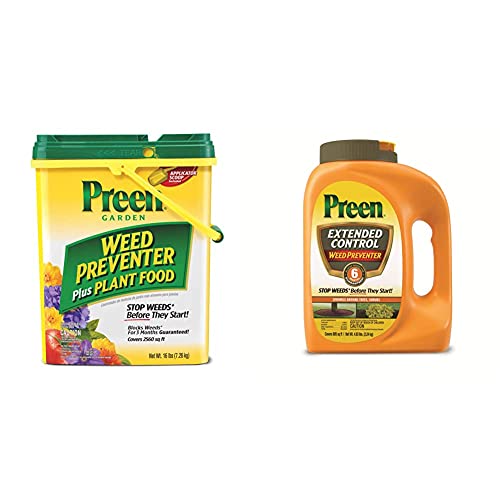
Use anytime during the spring, summer, or fall in flower and ornamental garden beds, around ground covers, trees, and shrubs to prevent weeds and feed plants (Preen Garden Weed Preventer Plus Plant Food).

Blocks weeds up to 6 months and fertilizes plants (Preen 246422)
Fix Pre-Emergent Timing Mistakes Before They Cost You
How badly did you miss the window? If you’ve blown pre-emergent timing, you’re not doomed. Grab a soil thermometer and check your soil temperature immediately. For crabgrass prevention, you’ve missed spring timing if readings hold above 55°F for several days; for fall timing, you’re late if they’ve already dropped below 70°F. You must apply before germination occurs, so determine whether weed seeds have already sprouted. If germination hasn’t started, apply immediately and complete irrigation activation—water in 0.5 inches within 24 hours. If seeds have germinated, abandon the pre-emergent; switch to post-emergent controls. Mark your calendar for next year: monitor soil temperature maps for your region and treat earlier. Never let timing drift again.
Recommended Products
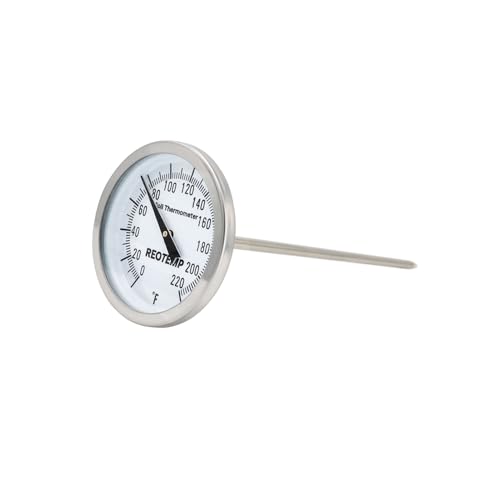
Corrosion Resistant 304 Stainless Steel Case, Bezel and 5" Stem
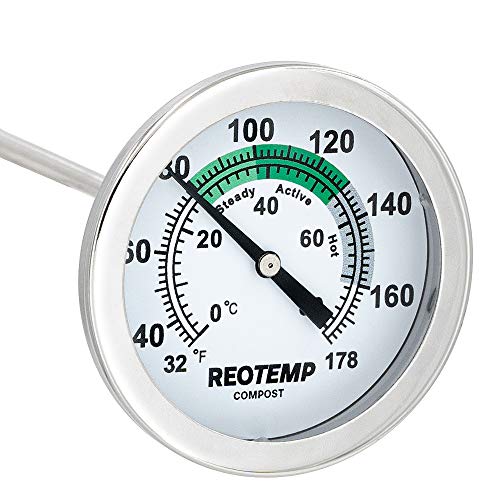
Perfect for the Beginner Composter - Free Digital Composting Guide Included - Expert instructions on how to get started composting and managing your compost pile for the most efficient compost production.

DURABLE CONSTRUCTION: Solid 20 inch (508 mm) 0.2 inch (5mm) diameter stem; reinforced welded bolt between dial and stem for long-lasting operation and conditions; high quality 304 stainless steel
Conclusion
You prevent weed infestations by timing pre-emergent to soil temperature thresholds—53–55°F in spring for crabgrass and sub-70°F in fall for poa annua. You’re matching chemistry to life cycles, not calendars. You must irrigate within 21 days and delay seeding per label restrictions. When you’ve misapplied, you’ll spot-treat visible weeds and adjust next season’s schedule using local soil data.
Recommended Products

Water-Based Formulation: Experience the power of our unique water-based formulation that ensures superior control and faster plant uptake, delivering results you can see quickly
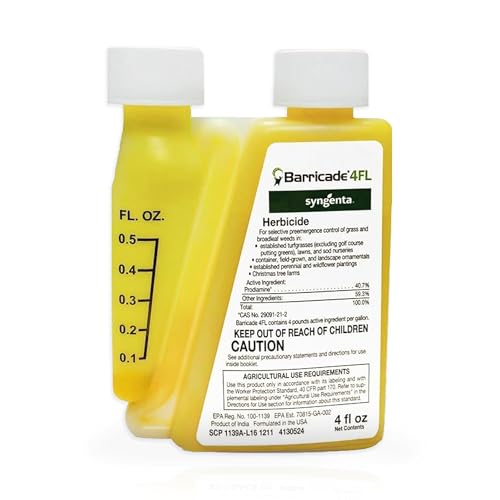
PREVENT WEED DEVELOPMENT: Barricade 4FL controls the growth and development of weeds before they germinate. Barricade 4FL will not control weeds after they have germinated. This product is labeled for use in a broad range of areas such as vegetation sites, turf species, weed control, grass, broadleaf weeds, established turfgrasses, lawns, sod nurseries, and Christmas tree farms.
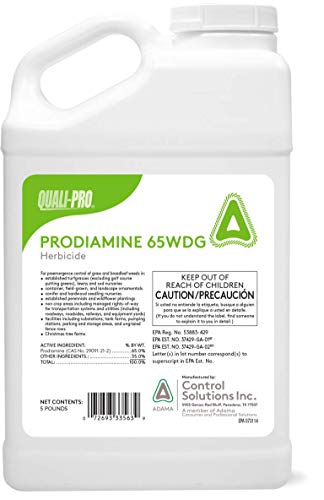
PRE-EMERGENT HERBICIDE: Quali-Pro's Prodiamine 65 WDG provides pre-emergent grass and broadleaf weed control. Flexible application allows for both spring and fall use providing season long crabgrass control. Available in a 5 pound bottle.