

You might think aerating is a simple fix for a struggling lawn, but timing it wrong can stress your grass and waste your effort. The difference between a thriving turf and a patchy recovery often comes down to matching the process to your specific grass type and soil conditions. The question isn’t whether to aerate—it’s whether you’re doing it at the right moment.
When to Aerate Your Lawn: Fall vs. Spring Timing
When should you aerate your lawn? Selecting optimal aeration timing hinges on your grass type and regional climate conditions.
For cool-season lawns, you’ll achieve superior results by scheduling core aeration in late summer to early fall. During this window, your Tall Fescue or Kentucky Bluegrass enters peak growth, enabling rapid recovery from plug removal. Fall temperatures reduce heat stress on exposed roots, while seasonal moisture improves soil workability and supports concurrent overseeding efforts.
Conversely, warm-season varieties demand different scheduling. You’ll want to aerate Bermudagrass or Zoysiagrass in late spring to early summer, aligning mechanical cultivation with their active growth phase.
Spring aeration presents risks for cool-season turf. You’re removing structural plugs just before summer stress, potentially weakening your lawn if recovery lags. In clay-heavy or high-traffic areas, you’ll benefit from annual fall aeration to relieve compaction and enhance drainage before winter dormancy.
Recommended Products

SUPERIOR HOOK-AND-LOOP FASTENERS - Our versatile lawn aerator tool feature durable, strong fasteners for a secure fit, ensuring stability during use on any surface, from lawns to epoxy floors.

Stainless Steel Strength Where It Matters: Rust-resistant stainless steel, heat-tempered hollow tines and a reinforced triangular welded base help this lawn core aerator handle repeated foot pressure on compacted yards without bending at the stress point
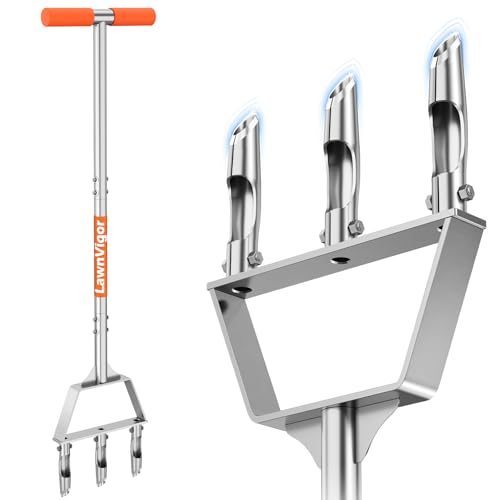
LAWN AERATOR FOR HEALTHIER LAWN GROWTH: Our manual lawn aerators promotes lush, green lawns by delivering essential air, water and nutrients deep into the soils. The lawn air aerator tool ensures healthier grass growth. (Note: Please water dry soil before use and do not rock, twist, or pry the tool side-to-side when it's in the ground.)
Signs Your Lawn Needs Aeration (Not Just Dethatching)
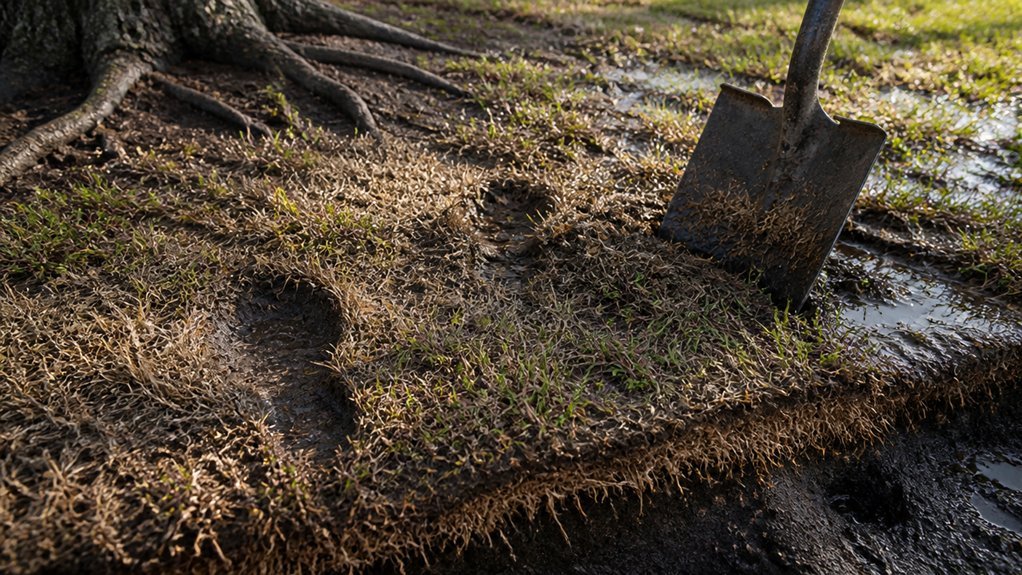
How can you tell when your lawn needs aeration rather than dethatching? You need to examine three key indicators: soil compaction, thatch, and drainage. Push a screwdriver into the soil; you’ll meet resistance where soil compaction has created dense layers that thatch removal won’t fix.
Feel your lawn’s surface—if it’s spongy with thatch exceeding one-half inch but you also note water pooling after rain, you’ve got both problems, yet only aeration addresses the underlying soil compaction restricting root expansion.
Watch for surface water that fails to penetrate; this signals compacted layers blocking infiltration. Heavy foot traffic from kids or pets worsens density, while clay soils perpetuate drainage issues.
When roots stop short or nutrients fail to reach them despite fertilization, core aeration penetrates compacted zones, improving moisture access and root development where dethatching cannot.
Recommended Products

【4-Hole High Efficiency Core Aeration】 Punch 4 holes at once! This manual lawn aerator's unique 4 sharp hollow tines extract soil cores in a single step, dramatically speeding up aeration for small to medium yards. Covers more area faster than single-spike aerators or shoes, improving soil airflow, water drainage, and nutrient uptake.

【TRUE CORE AERATION FOR HEALTHIER LAWNS】This manual lawn aerator removes soil plugs to relieve compaction at the root level. By creating open channels beneath the surface, it improves airflow, water penetration, and nutrient absorption—supporting thicker and stronger grass growth over time

【NO MORE MESSY PLUGS】 Tired of scattered soil plugs on your lawn? Jardineer updated core aerator lawn tool is designed with a built-in collection tray that automatically catches soil plugs as they are ejected. This keeps your yard tidy and saves you the back-breaking work of secondary cleanup, allowing you to focus on enjoying your beautiful, pristine garden
Cool-Season vs. Warm-Season Grass: Matching Aeration to Your Lawn

Timing your aeration correctly depends on identifying your grass type first. Cool-season grasses, including tall fescue and Kentucky bluegrass, require early spring or fall aeration when soil temperatures moderate and root growth accelerates. In Virginia specifically, you’ll achieve optimal results by aerating between late August and early November, capitalizing on active growth periods and favorable germination conditions. Warm-season grasses demand a fundamentally different approach; you must schedule aeration for late May through June when these species enter peak metabolic activity. Clay soils and high-traffic areas hosting cool-season varieties benefit from annual or frequent aeration to alleviate compaction and enhance root penetration. Your aeration timing directly influences recovery speed and turf density, so match your schedule precisely to your grass’s physiological growing season rather than convenience.
Recommended Products

【EFFECTIVE MANUAL LAWN AERATOR TOOL】: Walensee spike lawn aerator helps loosen soil and create small channels so air, water, and nutrients can reach grass roots more easily. It is a practical lawn care tool for preparing small lawn areas before seeding, watering, or fertilizing, helping your yard, garden, or patio lawn stay greener and better maintained.

Built-in dual-layer Spring Design : Our lawn aerator features an innovative built-in dual-layer spring design,addresses the hassle of manually removing soil and dry leaves after aeration.It ensures a smooth, efficient, and save labor loosening process.Help to get nutrients and water to the roots better for a fuller,promoting optimal lawn growth without compromising soil integrity,healthy lawn.

【Manual Lawn Aerator Tool】- Ideal for residential lawn care & small yards, this manual spike aerator effectively loosens clay, sand, loam, and compacted soil, promoting healthy root growth and lush green grass. Suitable for backyards, patios, gardens, and home lawn maintenance
Should You Seed Right After Aerating?
Why seed immediately after pulling cores? You’ve created ideal conditions for overseeding by exposing raw soil channels that dramatically improve seed-to-soil contact. Your aeration timing dictates whether you’ll seed at all.
For cool-season lawns, you’ll overseed in fall after core aeration. The exposed holes capture seed directly against soil, eliminating establishment failure from thatch barrier or poor contact. Fall’s residual soil warmth accelerates germination rates.
You’ll handle warm-season turf differently. When you aerate in late spring, you typically skip seeding since warm-season grasses thicken through rhizomatous spread during active growth cycles.
Address bare spots before overseeding. You’ll roughen these areas and top-dress with compost or soil to guarantee complete seed-to-soil contact. Apply a light, uniform compost layer post-seeding to protect germination and establish durable, traffic-tolerant turf.
Recommended Products

Liquid Soil Loosener: Can be used Alone or with Mechanical or Core Aeration, Aerating and Aerate Tools. Liquid Soil Loosener Conditions Compact Soil. Helps the Downward Movement of Water Allowing Vertical Drainage and Increased Water Infiltration.

Deep Soil Conditioner: Covington Naturals’ liquid aerator for lawns is a powerful soil conditioner that loosens compacted soil, improves soil structure, and enhances nutrient uptake. Perfect for clay soil, gardening, and lawn care, this liquid soil aerator promotes stronger root growth and healthier grass.
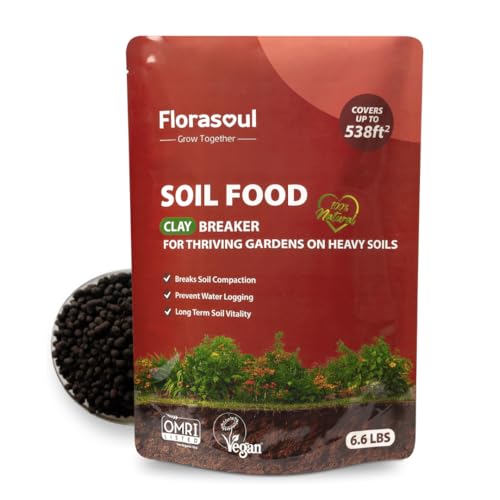
SOFTENS HEAVY CLAY SOIL: Stop struggling with hard, compacted ground. Our Clay Breaker naturally improves soil structure, making it easier to work and allowing roots to penetrate deeper for stronger, more resilient plants.
How Moisture and Temperature Affect Aeration Results
What determines whether your aeration succeeds or wastes effort? Moisture and temperature directly control your aeration results.
You’ll achieve optimal plug extraction when soil moisture reaches moderate levels—moist but never waterlogged. Dry soil resists penetration and prevents proper core extraction, while saturated conditions smear plugs and induce compaction. Moist soil enables consistent 2–3 inch core depth and uniform spread across your lawn.
Temperature influences recovery dynamics. Cooler fall temperatures slow evaporation, preserving plug integrity for decomposition. For warm-season grasses, you’ll target late spring through early summer when moderate moisture coincides with active growth, accelerating healing after core removal.
Avoid aerating drought-stressed soils; pre-irrigate to achieve workable moisture. Conversely, delay aeration following heavy rain or overwatering to prevent muddy plugs and reduced effectiveness. Monitor these variables—you’ll maximize aeration results through precise moisture and temperature management.
Recommended Products

Metal Base, Built to Last: Reinforced with a 3MM thickened metal sole that helps reduce breaking and bending issues often found in plastic alternatives. Our aerator shoes for grass maximize body weight transfer for deeper soil penetration while providing excellent stability and durability for lawn care and yard maintenance. Built as dependable yard aerator shoes, they help make regular lawn maintenance easier

Adjustable Size: The 11.5* 5 inch Aerator Shoes fit for women's shoe size 6-10, men's shoe size 6-9, with 3 adjustable Velcro straps wrapped around your heel and attach with hook-and-loop fasteners, no slipping and loosing.

Adjustable Size: The 11.5* 5 inch Aerator Shoes fit for women's shoe size 6-10, men's shoe size 6-9, with 3 adjustable Velcro straps wrapped around your heel and attach with hook-and-loop fasteners, no slipping and loosing.
Conclusion
Tailor aeration timing to your grass type and local conditions. For cool-season lawns, you’ll prioritize late summer through early fall when soil temperatures favor root recovery and overseeding success. Warm-season grasses demand late spring to early summer aeration during active growth. Monitor soil moisture—you’ll need slightly damp but not saturated conditions. Match your equipment to compaction severity, and schedule follow-up fertilization to maximize nutrient uptake through newly created channels.
Recommended Products

【4 Detachable & Replaceable Tines】: Engineered with unique removable hollow coring tines that make cleaning soil plugs effortless and completely prevent clogging. Unlike fixed-tine aerators that become useless if a single tine bends, this manual core aerator features a detachable design that allows you to easily replace individual damaged parts, extending the lifespan of your core aerator lawn tool significantly.
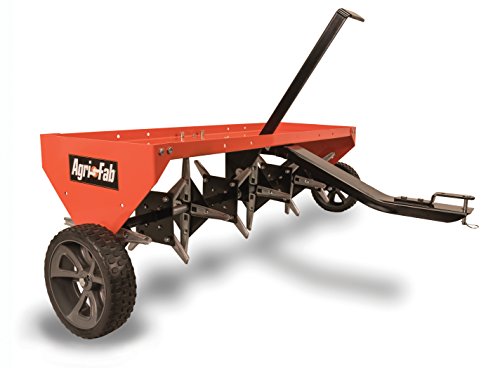
DEEP SOIL AERATION PERFORMANCE: Pulls plugs up to 3 in deep to improve airflow, water absorption, and nutrient penetration for stronger healthier lawn growth

Boosts Lawn Condition: Punches holes and extracts soil plugs to improve air, water, and nutrient absorption