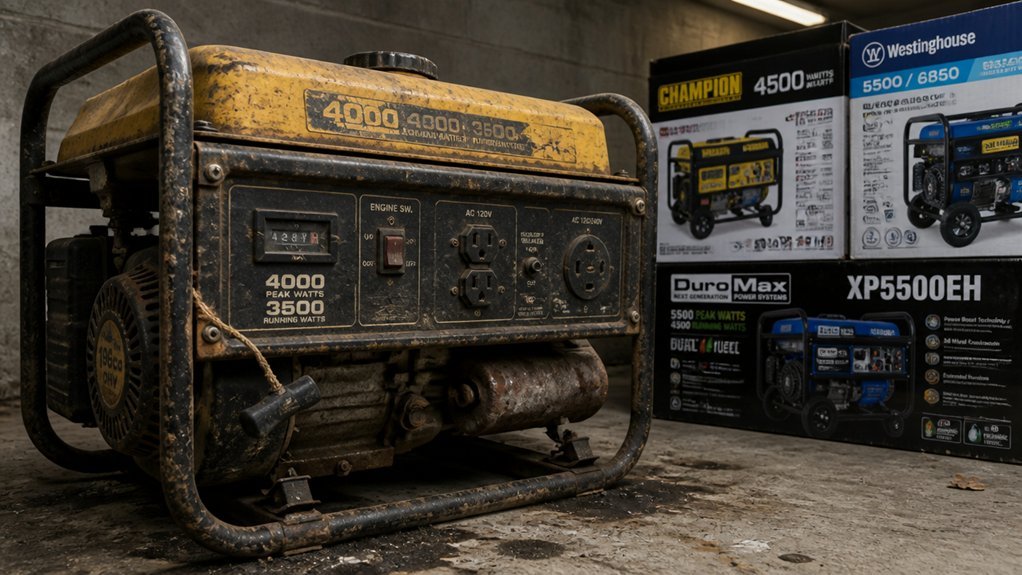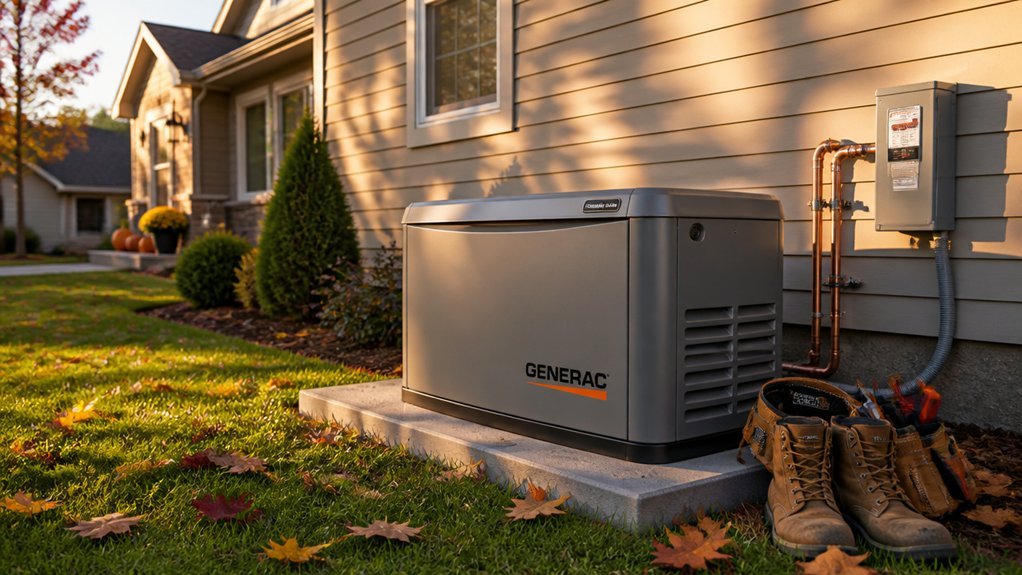


You operate your generator across varying conditions, and your oil change intervals must adapt accordingly. The 50–100 hour standard shifts dramatically based on load, environment, and fuel type. Miss one interval, and you’re risking seized components or catastrophic failure—but the exact threshold depends on factors you haven’t weighed yet.
How Often to Change Generator Oil: 50–200 Hour Rule Explained
How frequently you’ll need to change your generator’s oil depends entirely on how you operate the unit. You’ll follow maintenance intervals spanning 50 to 200 operational hours, with usage intensity dictating where your schedule falls.
You’ll perform oil changes every 50–100 hours when running your generator daily or through extended operations. You’ll extend intervals toward the 200-hour mark for rarely used units, though you’ll maintain vigilance with regular oil level checks regardless.
You’ll confirm your specific range by consulting your owner’s manual, as make and model establish precise parameters. You’ll adjust maintenance intervals downward when operating in dusty, humid, or harsh environments—these conditions degrade lubricant integrity faster. You’ll recognize that deviation from recommended schedules risks accelerated engine wear and compromised reliability.
Recommended Products

This oil change kit includes 4 items: 2 quarts Generac 5W-20 full synthetic oil, 070185E oil filter, oil funnel, and oil absorbent pad
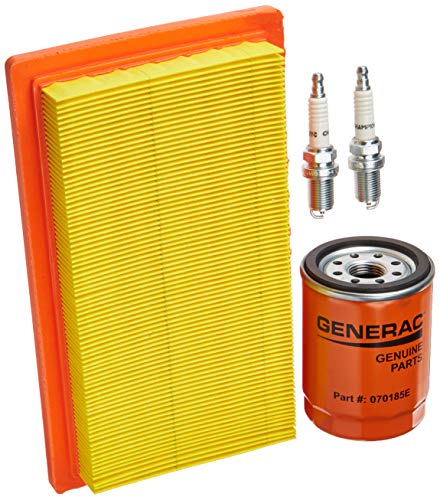
FITS 20KW, 22KW, 24KW, AND 26KW GENERAC STANDBY GENERATORS: Designed for air-cooled Generac, Honeywell by Generac, and Centurion by Generac standby generators with a 999cc V-Twin engine manufactured in 2013 or later

First Oil Change at 25 Hours: New Generator Break-In
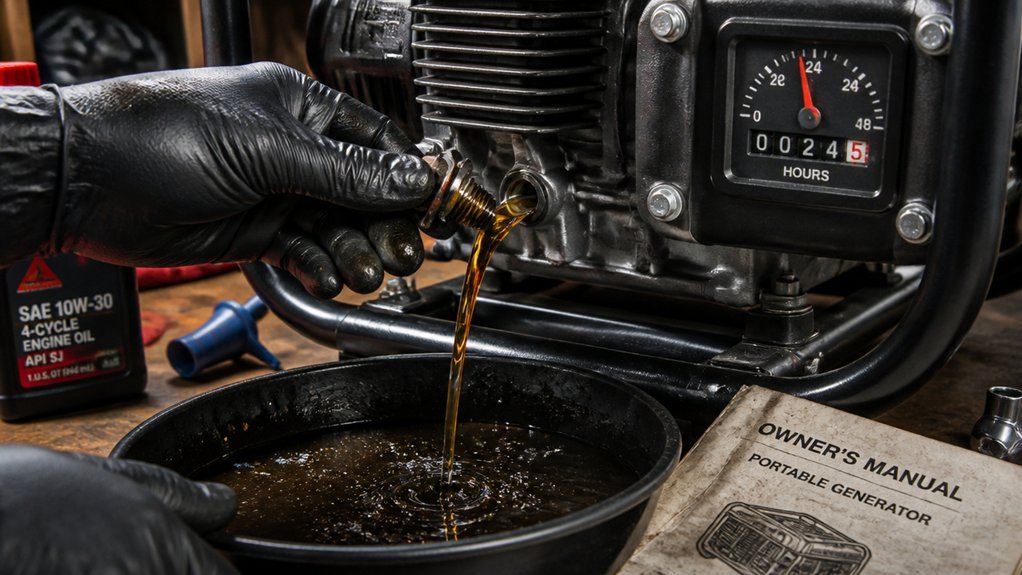
When will you perform your generator’s first oil change? You’ll complete this critical oil change at 25 hours for brand-new whole-home standby generators. This break-in interval isn’t arbitrary—it’s engineered to purge manufacturing debris and shipping contaminants that accumulate during initial operation.
You’ll protect your investment by following this protocol precisely. The 25-hour change captures particles released as components seat and settle into optimal alignment. You’ll find exact specifications in your ownership manual, which tailors guidance to your model’s configuration.
Modern generators burn cleaner, reducing subsequent change frequency, but don’t let that diminish this first oil change’s importance. You’re establishing baseline protection when your system’s most vulnerable. Skip or delay this break-in maintenance, and you’ll allow abrasive contaminants to accelerate wear across precision-machined surfaces. Your manual’s 25-hour directive is your primary reference.
Recommended Products

Whole House Protection: Keep your family comfortable and connected during power outages. Avoid the disruption of losing refrigeration, heating/cooling, lights and connectivity of your devices with a Home Standby Generator that automatically detects an outage and delivers backup power to your home.

PrecisionPower Technology delivers best-in-class power quality with less than 5 percent total harmonic distortion for clean, smooth operation of sensitive electronics and appliances

Whole House Protection: Keep your family comfortable and connected during power outages. Avoid the disruption of losing refrigeration, heating/cooling, lights and connectivity of your devices with a Home Standby Generator that automatically detects an outage and delivers backup power to your home.
Daily or Extended Use? Shorten Your Oil Change Interval
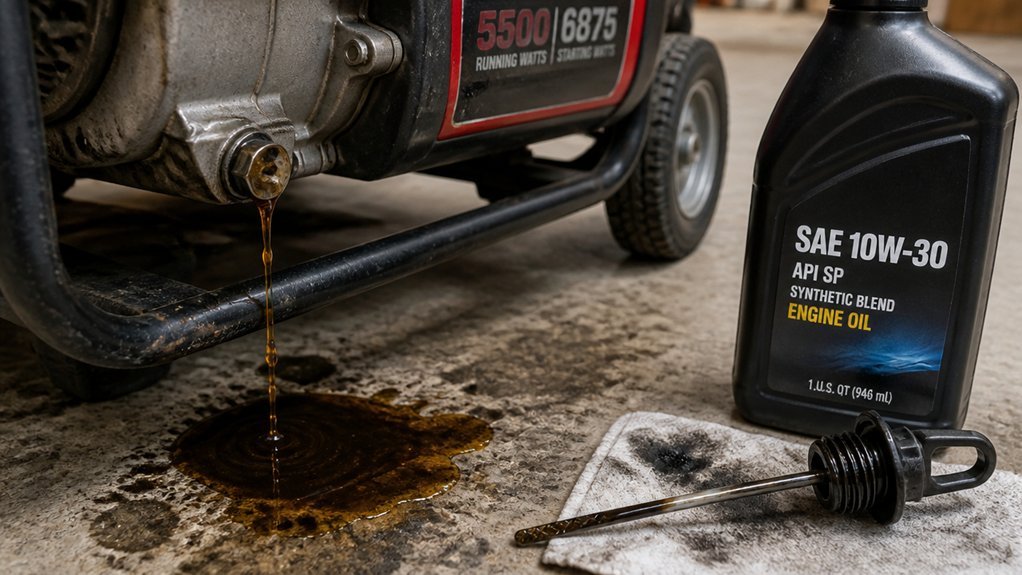
After completing your generator’s break-in oil change, you’ll need to adjust maintenance intervals based on operational demands.
When you run your generator daily or for extended periods, you’ll schedule oil changes more frequently—typically every 50–100 operating hours.
Daily and continuous operation accelerates oil degradation from increased heat cycles and contaminant accumulation.
You’ll still perform regular oil level checks between changes; this maintenance step prevents lubrication failures that cause catastrophic engine damage.
Your specific interval depends on the manufacturer’s specifications, so you’ll consult your owner’s manual for exact guidance.
Newer models may tolerate extended service, but you’ll adhere to the 50–100 hour range for daily or prolonged use unless documentation indicates otherwise.
Consistent adherence to compressed oil change schedules protects engine integrity under demanding conditions.
Recommended Products
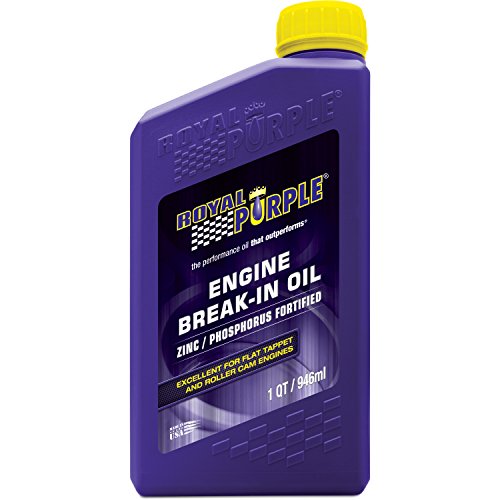
Package Dimensions: 23.190 H x 7.797 L x 11.988 W (centimetres)

Quicker more efficient ring seal

Viscosity typical of 5W-30
Dusty Area? Change Your Oil More Often
Why risk accelerated engine wear when you’re operating in dusty conditions? Dust particles infiltrate crankcase oil, increasing viscosity breakdown and abrasive contamination that rapidly degrades lubrication film strength. In dusty environments, you’ll need to compress your oil change interval significantly—typically targeting 50–100 hours rather than standard 50–200 hour benchmarks. You’re also checking oil levels more frequently to detect premature contamination or consumption before critical damage occurs. Consult your owner’s manual; manufacturers often specify stricter oil change schedules for high-dust operation, and you’ll follow those guidelines precisely. Don’t rely solely on accelerated drain intervals—you’re pairing them with rigorous air filter inspection and cooling system maintenance. This integrated approach minimizes ingested particulates and thermal stress, preserving ring-seal integrity and bearing life when ambient contamination threatens generator reliability.
Recommended Products

Includes (1) Oil Filter.

【Wide Compatibility】Compatible with Generac, Guardian, Centurion, Bryant, Watchdog, Dayton, Siemens & Carrier air-cooled home standby generators (8kW-20kW) and portable outdoor generators up to 24kW. Fits models 5501, 5502, 5503, 5504, 5505, 5506, 5518, 5520, 5522, 5523, 5524, 5525, 5348, 5395, 4389, 4673, 4758, 5280, 5240, 5247, 5241, 5242, 5248, 5281, 4456, 4390, 4675, 4666, 5011, 4670, 4759, 4451, 4583, 4987, 4582, 4986, 5209, 4916, 5820, 5821, 5838, 5870-5887, GN410HSB, GH530HSB, GH990HSB, GH990PORT, GV990.

Compatibility: 6485 maintenance Kit Compatible with Generac 16-26 KW air cooled home standby generator models from 2013 or later 999cc engine
Choosing the Right Oil for Your Generator
Your generator’s longevity hinges on selecting lubricant that matches manufacturer specifications with unwavering precision. You’ll find the exact oil grade in your owner’s manual; for most standby generators, a high-quality synthetic 5W-30 meets rigorous demands. You must never deviate from manufacturer specifications, as incorrect viscosity compromises engine protection and thermal stability.
Your oil selection directly impacts maintenance frequency. Premium synthetic formulations resist oxidation, minimize deposit formation, and maintain film strength under load—factors that extend service intervals. In abrasive, dusty environments, you’ll benefit from synthetics’ superior shear resistance and contaminant suspension capacity.
For break-in, you’ll follow the manual’s initial change interval, typically near 25 operating hours. This removes metal particles and assembly lubricants from manufacturing. You’re establishing baseline cleanliness that subsequent oil maintenance preserves.
Recommended Products

Complete Maintenance Solution: This portable maintenance kit is specifically designed for 992cc engines, providing you with all the necessary tools and components for proper maintenance

EM FIT FOR 12–18 KW GENERAC AIR-COOLED STANDBY GENERATORS: Engineered specifically for 760cc–990cc Generac engines (2013 and later), including models 6240–6249, 6254–6257, 6281, and 6459–6721 series

Genuine OEM Generac parts
Check Oil Levels Between Changes in 3 Steps
Consistently monitoring oil levels between scheduled changes safeguards your generator against catastrophic dry-start damage and premature wear. You’ll protect engine longevity through diligent maintenance that ensures proper lubrication at all times.
First, power down and cool the unit completely—hot oil skews readings and poses burn hazards. Second, locate the oil tank, withdraw the dipstick, wipe it clean, reinsert fully, then remove again to verify the oil level sits within the marked range. Third, if the reading falls below the minimum, you’ll add the manufacturer-specified oil type until reaching the upper mark.
Frequent low-oil readings signal potential leaks, excessive consumption, or overly extended intervals. In extreme operating conditions—dusty or high-temperature environments—you’ll check even more rigorously, as these accelerate oil degradation and demand tighter maintenance vigilance.
Recommended Products
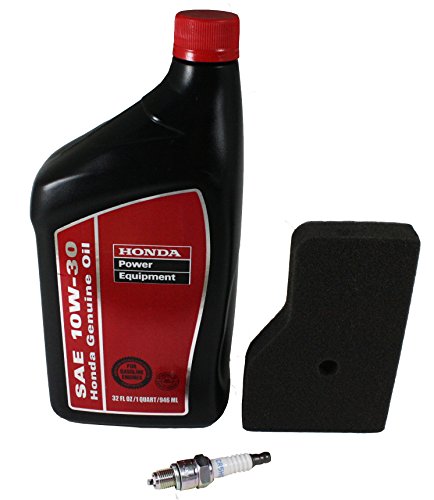
Kit includes: 1 Quart Genuine Honda Oil 10W30 (08207-10W30), 1 Honda Spark Plug (98056-55777) - CR5HSB, and 1 Genuine Honda Air Filter (17211-Z07-000)

1、Replaces HON1012 HON1412.
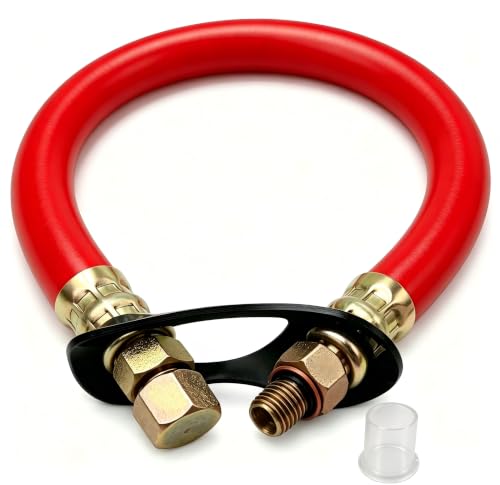
1. Wide Honda Engine Compatibility OEM# HON1010, M10×1.25mm thread, fits Honda GX110/GX120/GX160/GX200 engines, works for lawn mower, generator, pressure washer, water pump.
When to Hire a Pro for Generator Oil Changes
When exactly should you step aside and bring in a certified technician for oil maintenance? You’ll want to hire a pro for generator oil changes when you lack confidence executing dipstick assessments, level corrections, or clean drain-and-fill protocols—errors in these procedures risk overfilling, seal distortion, or hazardous leaks.
You should hire a pro if your unit logs substantial runtime or advanced age, as deviation from standard 50–200 hour intervals demands professional judgment on oil-skill requirements. Corrosive or particulate-heavy environments also warrant expert service to ensure proper oil specification, filtration integrity, and seal compatibility. After your new generator’s initial 25-hour break-in period, you’ll benefit from professional oil changes to confirm complete contaminant evacuation and proper system conditioning.
Finally, you’ll maximize equipment longevity by enrolling in preventive maintenance plans where technicians conduct scheduled oil assessments, filter inspections, and torque-verified servicing.
Recommended Products
Whole House Protection: Keep your family comfortable and connected during power outages. Avoid the disruption of losing refrigeration, heating/cooling, lights and connectivity of your devices with a Home Standby Generator that automatically detects an outage and delivers backup power to your home.

Whole House Protection: Keep your family comfortable and connected during power outages. Avoid the disruption of losing refrigeration, heating/cooling, lights and connectivity of your devices with a Home Standby Generator that automatically detects an outage and delivers backup power to your home.

13,000 Watts of Reliable Power for Home Power Backup – Keep your home, job site, or RV powered during storms and outages with dual fuel capability and a heavy-duty build.
Conclusion
You’ll maintain optimal generator performance by adhering to 50–100 hour change intervals for regular use, extending to 200 hours for standby units, and completing that critical 25-hour break-in service. Condensed intervals combat dusty environments; synthetic 5W-30 meets most specifications. Verify levels via dipstick between changes—low oil destroys engines rapidly. Consult a technician if readings confuse you. Your generator’s longevity depends on precision. Neglect oil maintenance, and you’ll face catastrophic failure.
Recommended Products
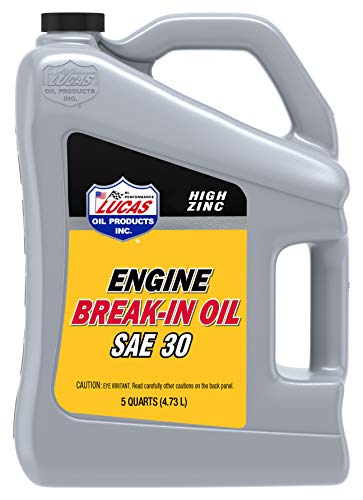
Quicker more efficient ring seal
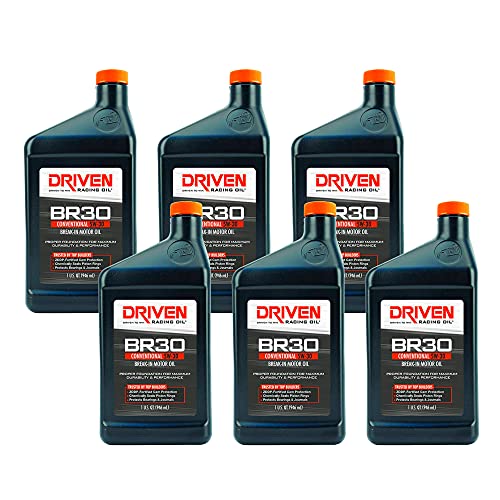

High detergent and dispersive properties for engine cleanliness