


You’ve got old gas sitting in a can, and you’re weighing whether to use it, dilute it, or haul it away. The wrong choice can foul your engine or worse. Ethanol blends degrade fast; straight gas lasts longer but still breaks down. Assess age, smell, and phase separation before you decide. Your next move depends on one critical factor you’ve probably overlooked.
How to Tell If Your Gas Has Gone Bad
How can you determine whether your stored gasoline remains usable? You must evaluate old gas for degradation before using it in any engine.
Inspect ethanol-blended fuel (E-10) for phase separation; you’ll see distinct layers if water has absorbed and settled at the container bottom. This condition risks severe engine damage, as small engines draw from that lowest point. Gasoline stored beyond 30 days without stabilizers undergoes accelerated degradation, reducing volatility and promoting poor starting or rough operation.
Key signs of bad fuel include a sour or varnish-like odor, plus visible gum or varnish deposits that clog carburetors and fuel filters. If you’ve kept fuel in non-approved containers or poorly ventilated spaces, you’ve further compromised its quality and safety. When you observe any of these conditions, don’t use the fuel. Dispose of it through proper hazardous waste programs or local drop-off days.
Recommended Products

Instant Water Detection: Gasoila Water Finding Paste provides rapid, accurate water detection in fuel tanks. Ideal for gas, diesel, ethanol blends, kerosene, and more, the paste reacts within seconds, even in extreme conditions.

Its synthetic blend prevents water build up, fuel system corrosion and ethanol phase separation that robs fuel of octane
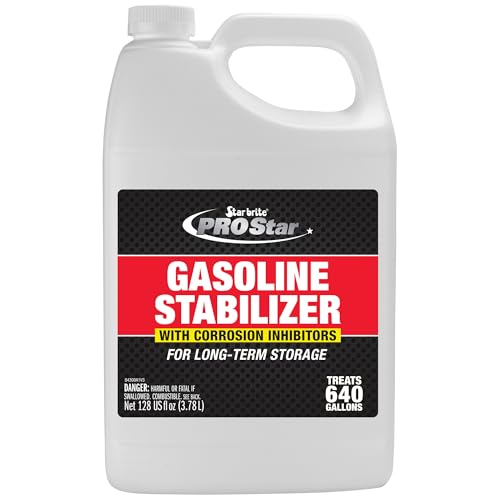
FUEL STABILIZER WITH FOGGING PROTECTION - Combines fuel stabilization and fogging protection in one step, designed for use on gasoline engines during storage.
Use Old Unmixed Gas in Your Car: Safely
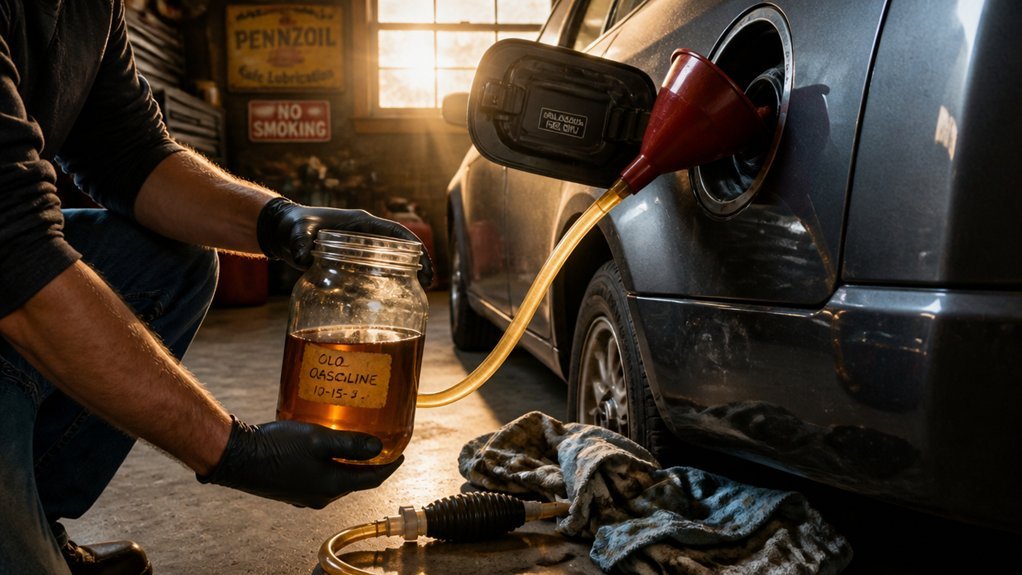
Where can you put old unmixed gasoline to use without wrecking small engines or violating disposal regulations? You dilute it with fresh fuel in your vehicle’s tank. Automotive use permits this controlled burn, provided you’re methodical.
First, assess the old gas. If it lacks fuel stabilization and sits beyond 30 days, degradation accelerates—you’ll note varnish precursors and potential phase separation. Pour one part old gas to at least three parts fresh gasoline directly into your tank before driving. Your car’s fuel injection system tolerates minor octane variance better than two-cycle carburetors.
Drive immediately to circulate the mixture; prolonged idle risks fuel system deposits. Monitor for knocking—pre-detonation signals improper combustion. If your manufacturer specifies premium, you’re conservative with dilution ratios.
Cannot verify fuel quality? Don’t risk it. Follow local guidelines instead.
Recommended Products
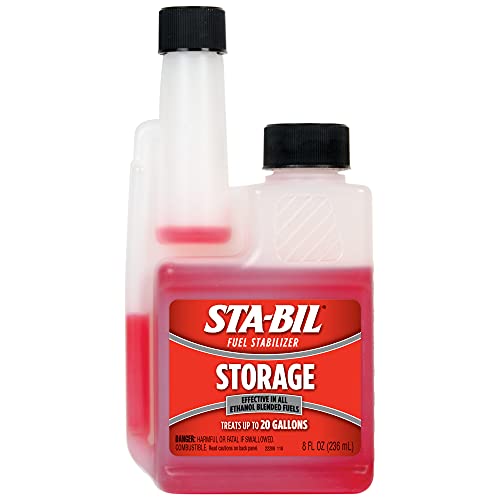
PRESERVES FUEL: This fuel stabilizer ensures keeps gasoline fresh for up to 24 months for storing vehicles that are not in use, boats, outdoor power equipment during winter months, or stocking up on fuel.

Great Product

PRESERVES FUEL: This fuel stabilizer ensures keeps gasoline fresh for up to 24 months for storing vehicles that are not in use, boats, outdoor power equipment during winter months, or stocking up on fuel.
Where to Take Gas You Can’t Use

When disposal becomes your only option, you’ll need approved channels rather than shortcuts. Check your town’s schedule for household hazardous waste drop-off days to handle gummy, contaminated, or phase-separated fuel.
For residents near Lewiston, bring gasoline disposal to the Environmental Depot on first and third Saturdays, May through November, or contact AVCOG for guidance.
Licensed hazardous waste professionals offer pickup services, typically charging roughly $20 per gallon.
Never mix two-cycle gasoline-oil with crankcase oil for waste oil burners.
If convenient options don’t exist, you’ll rely on local authorities to provide approved collection. Maintain proper storage until you’re able to transfer the material through legitimate channels, preventing environmental contamination and maintaining regulatory compliance.
Recommended Products
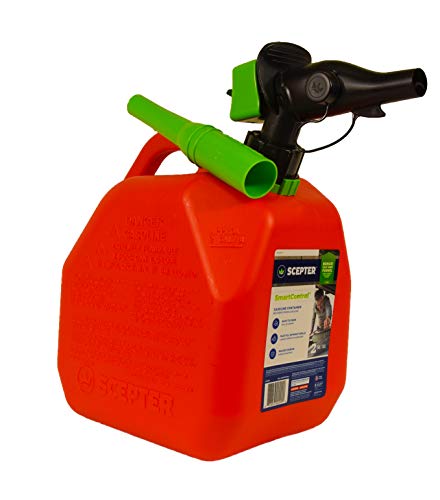
2 GALLON GAS CAN: The Scepter SmartControl fuel container features squeeze-control flow for spill-free filling; Easily refill lawnmowers, chainsaws, yard tools, recreational vehicles, cars, ATVs, motorcycles, and other gas-powered equipment

CONTROLLED FUEL TRANSFER: The patented manifold and Safe-Squeeze trigger provide smooth, glug-free dispensing with improved flow control. This safety gas can helps reduce spills and supports more accurate fuel transfer
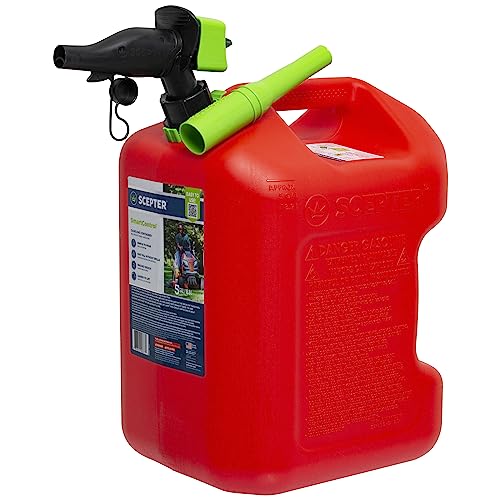
EASY TO POUR GAS CAN – Amazon exclusive, 5-gallon fuel container for easy refilling of lawnmowers, chainsaws, yard tools, recreational vehicles, ATVs, motorcycles, and other gas-powered equipment
Why You Shouldn’t Burn Brush With Old Gasoline
You might feel tempted to pour leftover gasoline over brush piles to get a quick, hot burn, but that shortcut creates more problems than it solves. Brush burning with old gasoline releases toxic vapors into the air you’re breathing and ignites unevenly, escalating the risk of uncontrolled brush fires and property damage.
Old gasoline containing phase-separated ethanol-blended fuel stratifies in storage, releasing water that intensifies erratic combustion and corrosion hazards during outdoor burning.
You’re also violating fundamental fuel safety protocols when you mix leftover gasoline with crankcase oil or other fuels for disposal burning—this generates hazardous reactions and toxic emissions.
Don’t use old gasoline as an accelerant or in waste oil burners. Instead, transport it to household hazardous waste programs, Environmental Depot drop-offs, or licensed hazardous waste professionals for compliant disposal.
Recommended Products

[Vehicle Fitment]: Fuel Water Separator Marine Kit Compatible with Yamaha, Compatible with Mercury, Compatible with Racor, Compatible with Sierra, and Compatible with Suzuki outboard engines. Fits a variety of universal marine applications, commonly used on unleaded marine engines

【Marine Diesel & Water separator】: Perfect for a variety of universal fuel applications, replacement for Marine Outboard Motor Mercury.
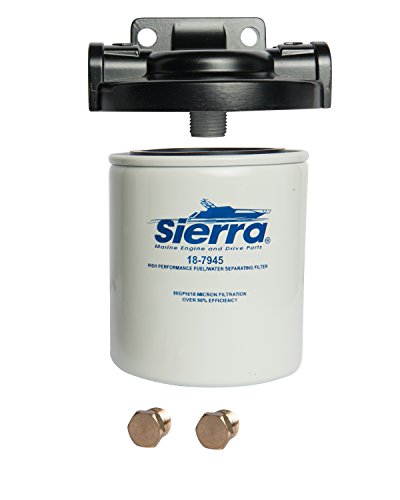
All filters flow at 90 GPH to feed even the hungriest motor
Buy Only What You Need Next Time
How can leftover gasoline accumulation be prevented? You minimize gasoline purchases to match actual consumption needs. If you discover a gallon remains at season’s end, you reduce next season’s procurement accordingly.
You limit storage duration in power equipment to one month maximum, adhering strictly to manufacturer specifications. When unused fuel persists, you implement stabilization by adding fuel stabilizer before the thirty-day threshold to prevent degradation.
You avoid surplus through precise volume planning. This eliminates disposal complications and maintains fuel integrity. Proper gasoline management demands proactive measurement of requirements, not reactive handling of excess.
Recommended Products

DESIGNED TO EXCEED EXPECTATIONS: Red Line complete SI-1 fuel system cleaner is a premium fuel additive, providing an effective fuel treatment solution to clean and prevent corrosion in fuel systems.
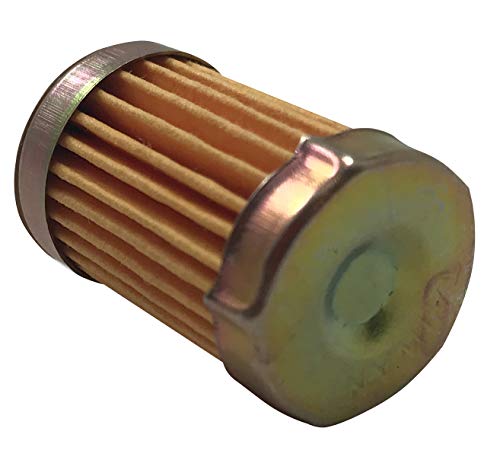

DEEP FUEL SYSTEM CLEANING Helps restore lost power, smooth out rough idle, recover lost MPG, and overcome other common engine problems by cleaning the entire fuel system. Cleans fuel injectors, carburetor restrictions, and chamber areas. Add Sea Foam to your fuel tank every 3,000 miles.
Mix Fresh Fuel for Two-Cycle Engines
Mixed fuel for two-cycle engines demands precise preparation and immediate use. You must mix only the amount you’ll consume immediately to minimize leftover gasoline and reduce unnecessary storage time. Follow the exact oil-to-gas ratio your engine or oil manufacturer specifies; improper proportions cause inadequate lubrication and engine damage.
When preparing two-cycle fuel mixtures, you’ll avoid creating old fuel by blending small batches. If unforeseen circumstances leave you with surplus fresh gas, you’ll add a quality fuel stabilizer before the thirty-day threshold passes—this prevents degradation and extends usability. For any mixed fuel requiring storage, you’ll utilize UL-approved containers and label them clearly to eliminate contamination risks and misuse. You’re eliminating waste through precise measurement, proper preservation techniques, and disciplined inventory management of your two-cycle engine supplies.
Recommended Products
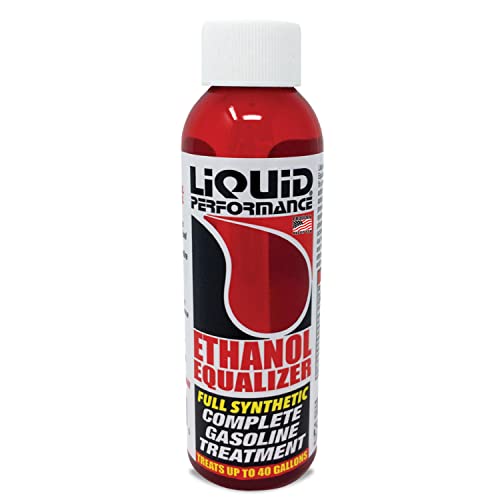
Its synthetic blend prevents water build up, fuel system corrosion and ethanol phase separation that robs fuel of octane
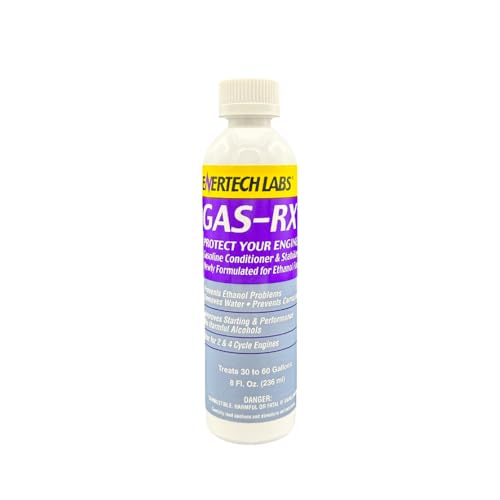
Chemically Removes Water - Our formula chemically binds water to the fuel chain, molecule by molecule, creating a permanent bond that will never fall back out and therefore chemically eliminating water from the fuel.
How Ethanol Makes Gas Go Bad Faster
Two-cycle fuel mixtures aren’t the only formulations vulnerable to rapid degradation—modern gasoline presents its own preservation challenges. When you store ethanol-blended fuel, you’re inviting rapid deterioration through inherent chemical properties you can’t control.
Ethanol acts as a solvent, scouring varnish and deposits from fuel system walls, then redepositing them where restrictions hurt performance most. Worse, ethanol hygroscopically absorbs atmospheric moisture until saturation triggers phase separation—splitting your fuel into distinct layers, with ethanol and water settling below gasoline. You draw this corrosive, low-octane layer first, risking engine damage and fuel system corrosion.
Without stabilizers, you observe efficacy degradation within thirty days. You mitigate this by selecting ethanol-compatible stabilizers and maintaining near-full tanks, minimizing headspace where moisture accumulates.
Recommended Products

PRESERVES FUEL: This fuel stabilizer ensures keeps gasoline fresh for up to 24 months for storing vehicles that are not in use, boats, outdoor power equipment during winter months, or stocking up on fuel.

ENZYME TECHNOLOGY - Uses enzyme technology designed to help engines start more reliably and run cleaner, even after periods of inactivity.

FUEL SYSTEM CLEANER: Cleanses the entire fuel system using PEA additives, including fuel injectors, lines, & fuel pumps. This advanced formula removes water, gum, and varnish, ensuring optimal performance & longevity of your fuel system while preventing corrosion.
Stop Phase Separation in Ethanol Blends
Why risk engine damage when you can stop phase separation before it starts? Ethanol blends attract water, and when absorption exceeds solubility limits, phase separation occurs—creating a dense ethanol-water layer that sinks to your tank bottom. Your engine draws this corrosive mixture first, causing immediate failure.
You prevent phase separation through proper gasoline stabilization and storage protocols. You fill containers to 95% capacity, minimizing headspace where moisture accumulates. You select stabilizers specifically formulated for ethanol blends, ensuring chemical compatibility. You follow manufacturer specifications for dosage and application. You monitor storage duration closely, recognizing that unstabilized ethanol blends degrade rapidly. You consult EPA Region 5, NFPA, and API guidelines for regulatory compliance and safe handling procedures. These measures protect fuel integrity and engine performance.
Recommended Products

1 GALLON GAS CAN: The Scepter SmartControl fuel container features squeeze-control flow for spill-free filling; Easily refill lawnmowers, chainsaws, yard tools, recreational vehicles, cars, ATVs, motorcycles, and other gas-powered equipment

Ideal for off-roading, overlanding, camping, ATVs, UTVs, and trucks.

Ideal for off-roading, overlanding, camping, ATVs, UTVs, and trucks.
Stabilize Gas Before It Hits 30 Days
When you’re storing gasoline for more than a month, you’re inviting fuel degradation that’ll cost you in engine repairs if you don’t act preemptively. You must add a compatible stabilizer before your storage time exceeds 30 days, particularly with ethanol blends. E-10 gasoline absorbs moisture and forms gum deposits without protection.
You’ll prevent phase separation by selecting stabilizers explicitly labeled for ethanol compatibility—never assume universal formulation. Check manufacturer specifications for precise dosing ratios and maximum effective duration. For winter storage, fill your tank to 95% capacity after treatment to minimize headspace and condensation.
Monitor your calendar closely; stabilizer compounds lose efficacy over extended periods. Plan usage or disposal before protection degrades. You’ll avoid costly fuel system cleaning and engine damage by treating ethanol blends promptly and tracking your storage time diligently.
Recommended Products
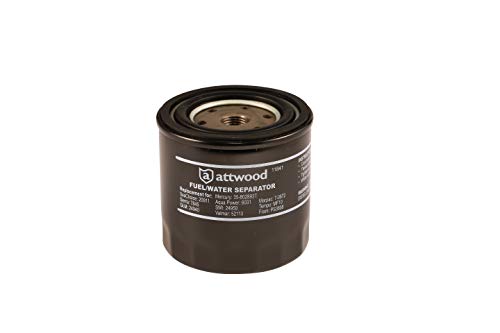
Double seal for enhanced performance
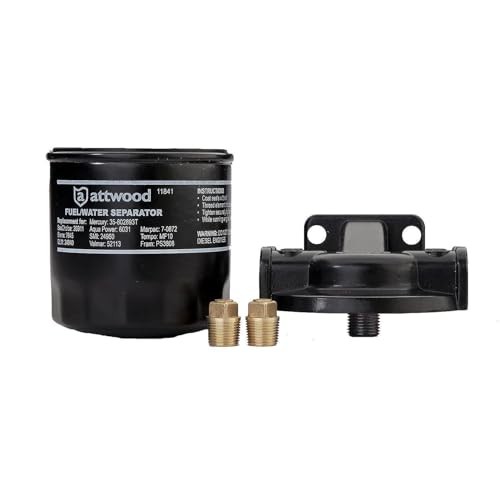
Universal Compatibility – Universal 3/8" NPT ports work with all 2-cycle and 4-cycle marine engines, including outboards and inboards

ADVANCED WATER-BLOCK TECHNOLOGY: This fuel water separator removes water from gasoline and diesel fuel using innovative water-absorbing polymers that automatically trap moisture. When the diesel water separator element becomes saturated, it restricts fuel flow to signal replacement time, protecting your engine from costly water damage and ensuring reliable fuel system performance for years of dependable operation.
Store Gasoline in the Right Containers
Your container selection determines whether your stored gasoline remains a usable asset or becomes a liability. For proper gasoline storage, you’ll use UL-approved containers only—you’ll select red containers for gasoline and blue for kerosene or diesel. You’ll ensure each container carries clear labeling and a functional spout for controlled pouring and spill prevention.
You’ll keep containers in a well-ventilated shed or detached garage, positioning them away from children and drinking water wells. You’ll inspect containers monthly for leaks, and you’ll address any deterioration immediately to prevent soil or water contamination. You’ll upgrade to spill-proof gas cans when possible, and you’ll avoid using glass jars or plastic milk jugs entirely—they’re incompatible with gasoline storage requirements and compromise both safety and spill prevention.
Recommended Products

Maximum Cleaning Power: Delivers the strongest cleaning performance available for gasoline fuel systems

Helps Restore Carburetor Performance by Removing Gum, Varnish, Carbon Deposits and Dirt Build-Up

DEEP FUEL SYSTEM CLEANING Helps restore lost power, smooth out rough idle, recover lost MPG, and overcome other common engine problems by cleaning the entire fuel system. Cleans fuel injectors, carburetor restrictions, and chamber areas. Add Sea Foam to your fuel tank every 3,000 miles.
Conclusion
You cannot reverse gas degradation, so you’ll prevent most problems through proactive management. Test your fuel’s stability before use; you’ll dilute questionable ethanol blends at a 1:3 ratio with fresh fuel. You’ll store gasoline in UL-approved containers, stabilize it within 30 days, and track age meticulously. You’ll dispose of unusable fuel through approved channels only. You’ll purchase quantities matching actual consumption, eliminating storage risk entirely.